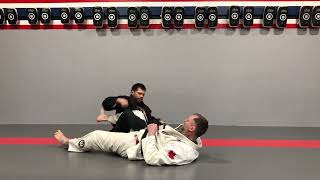
Introduction to Crab Ride
The crab ride is a dynamic grappling position that works in conjunction with the burn bowl technique. It requires constant movement and positioning rather than static holds. Practitioners should develop competency on both sides to have alternatives for different opponent reactions.
Transitioning from Burn Bowl
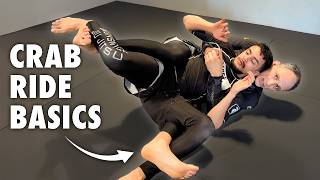
When opponents escape the burn bowl by pushing their hips away and dropping their knee toward the floor, the crab ride offers a continuation. The practitioner secures a foot hook behind the opponent's knee while the other leg hooks the top of the thigh. The free hand can grip the pants or push against the floor for leverage.
Establishing Position with Head and Shoulder Pressure
From the crab ride setup, the practitioner creates a tripod effect using the shoulder and head to drive the opponent's knees inward. This triangulation generates pressure while maintaining contact with the opponent's legs. Consistent head and shoulder placement is essential regardless of whether the position is linear or angled.
Attacking from Top Position
Once the practitioner achieves top control in crab ride, multiple submission and positional options become available, including mount passes and various finishes. The position allows for controlled pressure while maintaining the hook configuration. Opponents often respond by opening their legs to create space and escape.
Roll to Back Control Transition
When the opponent pushes with their legs to escape, the practitioner can roll over their shoulder while maintaining the crab hooks and grabbing the opponent's hands. This rolling action flips the opponent on top while the practitioner secures the back position underneath. From there, the practitioner can establish a seatbelt grip and work inside leg positioning.
Continuing Back Control Sequence
As the opponent continues to resist by opening their legs or extending, the practitioner maintains the crab hooks while extending the opponent and transitioning fully to back control. The practitioner can maintain a pants grip or post on the floor temporarily before re-securing the grip. Proper hook placement ensures control throughout the transition sequence.
Reactive Adjustments and Timing
The crab ride position creates opportunities for reactive adjustments based on opponent energy and resistance direction. When the opponent pushes against the practitioner's pressure point, this momentum can be redirected to catch the back. Minor positional shifts and weight redistribution allow the practitioner to capitalize on opponent defensive attempts.
Crab Ride Basics
Key Takeaways
- •Introduction to Crab Ride
- •Transitioning from Burn Bowl
- •Establishing Position with Head and Shoulder Pressure
- •Attacking from Top Position
🔗 Links: Follow me on Instagram for more jiu-jitsu content: https://www.instagram.com/tarik_bjj/ Discover top-quality gear at Progress JJ. Use "TARIK15" for 15% Discount! UK Progress Referral: https://shorturl.at/joJMX EU Progress Referral: https://shorturl.at/pADPQ Teespring merch: https://shorturl.at/opHK3 Patreon: https://www.patreon.com/tarikbjj BJJ Fanatics: https://shorturl.at/cqsEI Twitch: https://www.twitch.tv/tarik_bjj
Frequently Asked Questions
What does this video teach about crab ride?
This video covers introduction to crab ride, transitioning from burn bowl, establishing position with head and shoulder pressure. It provides detailed instruction from Tarik BJJ.
How long does it take to learn crab ride?
The basic mechanics can be understood in a single session, but developing reliable execution requires consistent drilling over weeks of practice. This 7-part breakdown helps structure your training by isolating each phase of the technique.
What are the key details for finishing crab ride?
As the opponent continues to resist by opening their legs or extending, the practitioner maintains the crab hooks while extending the opponent and transitioning fully to back control. The practitioner can maintain a pants grip or post on the floor temporarily before re-securing the grip. Proper hook placement ensures control throughout the transition sequence.