Understanding the Hybrid Front Kick
The hybrid front kick combines two distinct variations: the snap front kick and the push front kick. Rather than performing one technique in isolation, most practitioners naturally blend these two methods when making contact with a target. This hybrid approach represents how front kicks function in practical application.
Snap Front Kick Mechanics
In the snap front kick, the chamber rises to a moderate height, then the lower leg extends rapidly outward. Once the chamber is established, the leg mobilizes and the kick extends forward. This technique emphasizes speed and snap rather than sustained pressure.
Push Front Kick Mechanics
The push front kick requires a higher chamber position and incorporates an extension from both the hip and knee. This technique generates power through sustained forward pressure rather than a snapping motion. The higher chamber demands greater flexibility and hip flexor strength from the practitioner.
Why the Hybrid Approach Emerges
Most practitioners lack sufficient flexibility in the glutes, hamstrings, and supporting leg to maintain a high chamber for a true push kick. Additionally, hip flexor strength and endurance limitations prevent sustained high-chamber positioning. The hybrid method solves these issues by combining a lower snap kick chamber with a final hip extension.
The Arc Problem in Snap Kicks
A pure snap front kick travels in an upward arc and loses effectiveness when targeting the abdomen or hip level. To redirect this arc and drive force into targets at these heights, the practitioner must extend the hip forward at the final moment. This natural transition creates the hybrid technique's characteristic motion.
Hybrid Kick Execution
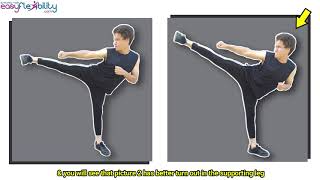
The hybrid front kick begins as a snap motion from the knee alone, then transitions to a push by extending the hip forward approximately six inches before target contact. This two-phase movement occurs in a single continuous action, combining the initial snap with the final drive. The result delivers both speed and power efficiently.
Advantages of the Hybrid Approach
The hybrid method requires a lower chamber, reducing demands on hip flexor strength and hamstring flexibility. Once the pushing phase begins, the hip flexor no longer needs to stabilize an elevated leg, reducing fatigue. Additionally, the late-stage hip extension engages the posterior chain muscles, multiplying available power sources.
Front Kick Tutorial Hybrid FRONT KICK Explanation Part One Hight vs Strength YouTube2
Key Takeaways
- •Understanding the Hybrid Front Kick
- •Snap Front Kick Mechanics
- •Push Front Kick Mechanics
- •Why the Hybrid Approach Emerges
http://www.elasticsteel.net/Articles.asp?ID=185
Related Techniques
Frequently Asked Questions
What does this video teach about front chamber side kick?
This video covers understanding the hybrid front kick, snap front kick mechanics, push front kick mechanics. It provides detailed instruction from ElasticSteelKicking.
How long does it take to learn front chamber side kick?
The basic mechanics can be understood in a single session, but developing reliable execution requires consistent drilling over weeks of practice. This 7-part breakdown helps structure your training by isolating each phase of the technique.
What are the key details for finishing front chamber side kick?
The hybrid front kick begins as a snap motion from the knee alone, then transitions to a push by extending the hip forward approximately six inches before target contact. This two-phase movement occurs in a single continuous action, combining the initial snap with the final drive. The result delivers both speed and power efficiently.