Setup and Foundation
Begin in a tall kneeling position with knees directly underneath the hips. Proper setup is essential for the entire series to be effective. Maintain this neutral spine position as the foundation for all movements.
Side Position and Hand Placement
Extend the right leg out to the side while reaching it away from the body. Place the left hand on the floor further forward than intuition suggests, then position the right hand on the right hip. This hand placement creates proper leverage and alignment throughout the movement.
Pelvic Position and Hip Engagement
Push the pelvis slightly forward to open the front of the hip and prevent gripping the hip flexors. Slide the top leg back a fraction to activate the glute muscles rather than relying on hip flexor engagement. Maintain pressure through the bottom hand to engage the lats and create proper stabilization.
Lengthening Lifts and Pulses
Execute ten controlled lifts, thinking simultaneously of both lifting and reaching the leg slightly behind the body. Hold at the top and perform ten small pulses, maintaining a neutral pelvis throughout. The focus is on simultaneous length and lift rather than height alone.
Circular Movements with Stability
Complete ten circles moving backward while keeping the pelvis completely stable and still. Reverse direction for ten circles forward, ensuring the leg moves while the torso remains fixed. This teaches hip stability independent of spine movement.
Flex and Point Sequence
Flex the foot and swing the leg forward without compromising posture, then point the foot and reach it back to the starting position. Repeat this five-repetition sequence, maintaining alignment and control with each movement. This variation develops ankle mobility and leg control.
Final Ceiling Kick
Roll the hip slightly forward and reach the arm on a diagonal to set up the final movement. Execute ten powerful kicks directly toward the ceiling, fully extending through the glutes. This concludes the side series with maximum glute activation.
Contralateral Side Repetition
Repeat the entire series on the left side, noting that the working glute is fatigued while the non-working glute must now provide stability. Both sides work simultaneously—the kicking leg through direct movement and the supporting glute through stabilization. Observe any differences in strength and flexibility between sides.
Seated Core Preparation
Sit upright with feet positioned in front of the body so toes remain visible. Reach arms forward at shoulder height and draw shoulder blades down the back. This seated position is the foundation for controlled spinal articulation and core engagement.
Scooping and Spinal Rolling
Exhale while scooping and hollowing the core without moving the shoulders away from the hips. Only when core engagement is maximal should the spine begin to roll backward, building articulation one vertebra at a time. Reverse by stacking the spine sequentially while maintaining core engagement throughout.
Advanced Core Variations
Float the arms from the floor to the ears while maintaining the rolled-back position, then lower them back down. In the final progression, perform alternating elbow touches to the floor while maintaining spinal stability. These variations increase core and oblique demand while reinforcing proper movement patterns.
Kneeling Side Kick Series
Key Takeaways
- •Setup and Foundation
- •Side Position and Hand Placement
- •Pelvic Position and Hip Engagement
- •Lengthening Lifts and Pulses
Related Techniques
Frequently Asked Questions
What does this video teach about kneeling-up side kick?
This video covers setup and foundation, side position and hand placement, pelvic position and hip engagement. It provides detailed instruction from Taryn Polovin.
How long does it take to learn kneeling-up side kick?
The basic mechanics can be understood in a single session, but developing reliable execution requires consistent drilling over weeks of practice. This 11-part breakdown helps structure your training by isolating each phase of the technique.
What are the key details for finishing kneeling-up side kick?
Exhale while scooping and hollowing the core without moving the shoulders away from the hips. Only when core engagement is maximal should the spine begin to roll backward, building articulation one vertebra at a time. Reverse by stacking the spine sequentially while maintaining core engagement throughout.
Related videos

How to do side thrusting kick (yoko geri) like a pro
Kapawen Kai Jka Karate
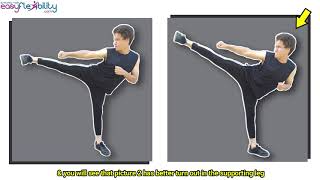
How to do a Side Kick Analysis #8
Elasticsteel
(How to) Side Kick Tutorial - Taekwondo
wootaekwon

Three Easy Setups for the Lead Leg Side Kick
Força Martial Arts & Fitness

# 48, 49 Kick With Right Foot & Strike Ears With Fists
Awareness