Introduction and Stance Preparation
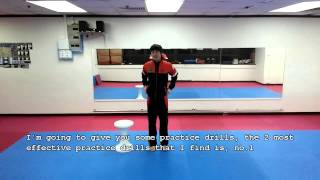
The instructor begins by introducing the side thrust kick (yoko geri) as a fundamental technique suitable for beginners. The practitioner assumes a neutral stance with feet together before transitioning into a fighting guard position from which the kick will be executed.
Basic Kick Mechanics: Three-Phase Execution
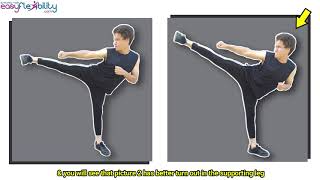
The side thrust kick is performed in three distinct phases: lifting the knee upward, rotating and loading the hip, and extending the leg through the target. The practitioner must return the leg to the guard position by bringing the knee back to center before placing the foot down.
Hip Rotation and Body Mechanics
Proper execution requires the torso to rotate with the kick, with the supporting leg sliding to maintain balance and generate power. The practitioner consciously squeezes the abdominal muscles to stabilize the core throughout the three-phase movement.
Deceptive Setup and Chamber Variation
The instructor demonstrates how to disguise the side kick by initially chambering the knee as if to execute a front kick, then switching to a side thrust trajectory. This deception prevents opponents from anticipating the technique and reacting defensively.
Front Stance Application
The same three-phase mechanics apply when executing the side thrust kick from a front stance, with the practitioner pulling the leg back to the chambered position before returning to guard. The technique can be delivered from either side of the body.
Bilateral Training Emphasis
The instructor stresses the importance of practicing the side kick on both the left and right sides to develop balanced power and prevent over-reliance on the dominant leg. Training both sides ensures the practitioner maintains defensive capability if one side becomes compromised.
Tempo Control and Muscular Awareness
Rather than rushing the technique in a single explosive count, practitioners should deliberately move through each phase while maintaining conscious muscular tension, particularly in the abdominal and leg muscles. This methodical approach builds proper neural patterning and control.
Flexibility Requirements and Injury Prevention
Extensive flexibility training, including full splits and groin-focused stretching, must precede regular side kick practice due to the significant stress placed on the hip and groin muscles. Inadequate preparation in these areas significantly increases the risk of groin strain.
How to do side thrusting kick (yoko geri) like a pro
Key Takeaways
- •Introduction and Stance Preparation
- •Basic Kick Mechanics: Three-Phase Execution
- •Hip Rotation and Body Mechanics
- •Deceptive Setup and Chamber Variation
This is about a kicking maneauver that is strong and effective in dismantling an aggressor if done correctly with perfect timing, it is easy to follow as you dont have to be a genius in learning it, all you got to have is a guts and patience in studying and practice@kapkarate1901
Related Techniques
Frequently Asked Questions
What does this video teach about thrusting side kick?
This video covers introduction and stance preparation, basic kick mechanics: three-phase execution, hip rotation and body mechanics. It provides detailed instruction from Kapawen Kai Jka Karate.
How long does it take to learn thrusting side kick?
The basic mechanics can be understood in a single session, but developing reliable execution requires consistent drilling over weeks of practice. This 8-part breakdown helps structure your training by isolating each phase of the technique.
What are the key details for finishing thrusting side kick?
Rather than rushing the technique in a single explosive count, practitioners should deliberately move through each phase while maintaining conscious muscular tension, particularly in the abdominal and leg muscles. This methodical approach builds proper neural patterning and control.