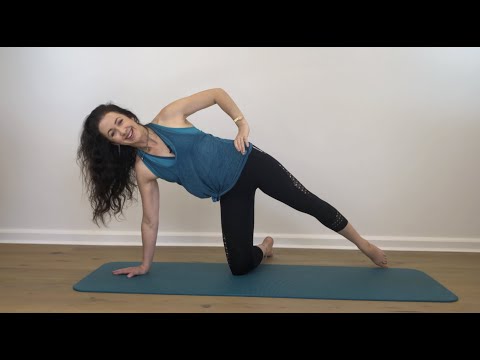
Kneeling Side Kick Series
0
Kneeling-Up Side Kick·Taryn Polovin
Translation: Kneeling-up side kick
The Kneeling-Up Side Kick is a side kick delivered while rising from a kneeling or ground position, often as a surprise counter-attack. [1] As the practitioner rises, they use the upward momentum to power the side kick, turning a vulnerable ground position into an offensive opportunity. [1] This technique is particularly valuable in situations where the practitioner has been knocked down or has gone to ground deliberately. [1]
The Kneeling-Up Side Kick offers tactical advantages in specific situations where a standard side kick would be less effective. [1]
Cross-style martial arts kicking tradition. [1]
An acrobatic kick variation primarily seen in demonstrations and point-fighting tournaments. Not practical in full-contact competition due to the ground recovery time required. [1]
No images yet for this technique.
Sign in to suggest an image.
No instructional courses yet for this technique.
Sign in to suggest a course.
Risk of injury to the person this technique is applied to
Side kick variants deliver significant lateral force to the target
Skill level needed to execute this technique reliably
Whether this technique is allowed under major competition rule sets
Essential Book of Martial Arts Kicks (De Bremaeker & Faige, 2010)
[1] De Bremaeker & Faige, Essential Book of Martial Arts Kicks (2010)
Requires good lateral hip flexibility
Strong core for balance
gluteus medius, hip abductors, quadriceps
Documented in De Bremaeker & Faige, Section 2.11. A side kick launched from a kneeling position — useful for ground recovery situations. The kicker rises from the ground directly into the kick. (De Bremaeker & Faige, Essential Book of Martial Arts Kicks, 2010)
Push your pelvis slightly forward to open up the front of your hip and avoid sitting into the hip flexor crease. Taryn Polovin emphasizes this positioning helps you take the top leg back a fraction more effectively.
Place your hand on your hip (the same side as the kicking leg) to help stabilize your position and maintain proper alignment throughout the movement.
Lengthen the leg away while reaching slightly behind you, moving it up and away, then swing it toward you while maintaining your posture and alignment before pointing and taking it back.
The Kneeling-Up Side Kick is a side kick delivered while rising from a kneeling or ground position, often as a surprise counter-attack. As the practitioner rises, they use the upward momentum to power the side kick, turning a vulnerable ground position into an offensive opportunity.
The Kneeling-Up Side Kick is a specialised variant of the side kick documented in cross-style kicking methodology. Side kick variations have been developed across karate, taekwondo, and kung fu traditions.
Unified MMA: restricted — Knees to standing opponent legal, knees to head of grounded opponent banned; WBC/Boxing: banned — All knee strikes prohibited; WKF: banned — Prohibited in sport karate; Kyokushin: legal — Legal to body; WT: banned — Prohibited; ITF: banned — Prohibited; WAKO: banned — Prohibited in most formats; K: restricted — 1/GLORY — One clinch knee allowed before referee break; IFMA: legal — Legal — knees are a core Muay Thai weapon, clinch knees highly scored
Danger rating 6/10. Side kick variants deliver significant lateral force to the target
The standard setup chain: Feint or jab → Chamber → Kneeling-Up Side Kick to target → Follow-up technique.
Standard counters include: Step inside the kick range / Catch and sweep / Counter with low roundhouse.
Common variants: High kneeling-up side kick (targeting head level); Mid kneeling-up side kick (targeting body); Low kneeling-up side kick (targeting legs).
An acrobatic kick variation primarily seen in demonstrations and point-fighting tournaments. Not practical in full-contact competition due to the ground recovery time required.
Top errors to watch for: Attempting the kneeling-up side kick without sufficient side kick foundation / Poor balance during execution / Insufficient hip rotation.
The Kneeling-Up Side Kick is also known as Nīringu Appu Saido Kikku, Rising Side Kick, Ground-to-Standing Side Kick.