The Side Kick's Strategic Value
The side kick is a fundamental technique in Taekwondo that combines power with defensive utility. Practitioners who neglect this technique miss a critical tool for controlling distance and neutralizing attacks.
Base Foot Mechanics
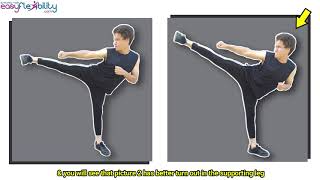
The supporting foot must pivot approximately 180 degrees on the ball of the foot, consistent with other Taekwondo techniques. This pivot generates the rotational force necessary for hip engagement and proper kick execution.
Support Leg and Upper Body Alignment
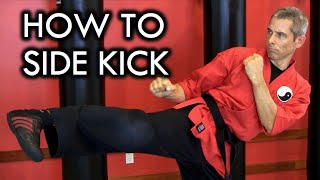
The support leg must lock straight to ground the kick's force, while the upper body leans back into a Y-shaped position with the head offset behind the support leg. This alignment removes the head from danger and enables proper hip rotation.
Chambering and Heel Extension
The chambering leg should be lifted high with toes pulled back to lead with the heel, similar to a stomp motion. A straight line must connect the heel through the shoulder for proper body stacking.
Critical Sparring Mistakes: Low Chamber
A low chamber position renders the technique ineffective and leaves the practitioner vulnerable to incoming attacks, head strikes, and takedowns. Proper high chambering creates a defensive barrier and multiple counter-attack options.
Head Protection Principles
The head must remain protected behind the supporting leg and shoulder throughout the technique to prevent opponent counter-strikes. Head positioning that extends forward during execution creates critical vulnerability in both sparring and forms.
Base Foot Rotation in Forms
Complete 180-degree rotation of the base foot is essential, particularly when executing side kicks from a front stance in forms competition. Partial rotation prevents proper hip engagement and reduces technique effectiveness.
Body Stacking and Hip Engagement
The entire body must function as a unified system, maintaining a straight line from heel to shoulder throughout the kick. Separation between upper and lower body indicates insufficient base foot rotation and improper hip engagement.
Foot Position and Toe Alignment
The foot must remain tense with toes pulled back and positioned slightly downward when the hip fully rotates. Upward-pointing toes indicate under-rotation of the hips and require correction through proper rotational mechanics.
Strategic Applications
Mastery of the side kick prevents opponents from closing distance in sparring, creates opportunities for combination techniques, and elevates forms performance. This technique represents a significant competitive advantage due to the difficulty most practitioners experience in executing it correctly.
Master The Taekwondo Side Kick
Key Takeaways
- •The Side Kick's Strategic Value
- •Base Foot Mechanics
- •Support Leg and Upper Body Alignment
- •Chambering and Heel Extension
Paul Van Schoyck of Taekwondo Guide shares how to do a side kick along with common mistakes to avoid. visit: www.tkdguide.com For multiple free Taekwondo video courses!
Related Techniques
Frequently Asked Questions
What does this video teach about drop side kick?
This video covers the side kick's strategic value, base foot mechanics, support leg and upper body alignment. It provides detailed instruction from Taekwondo Guide .
How long does it take to learn drop side kick?
The basic mechanics can be understood in a single session, but developing reliable execution requires consistent drilling over weeks of practice. This 10-part breakdown helps structure your training by isolating each phase of the technique.
What are the key details for finishing drop side kick?
The foot must remain tense with toes pulled back and positioned slightly downward when the hip fully rotates. Upward-pointing toes indicate under-rotation of the hips and require correction through proper rotational mechanics.