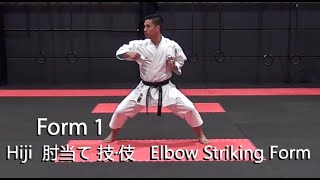
Introduction to Hiji Chudan Mae Ate
The middle-level forward elbow strike (Hiji Chudan Mae Ate) is a fundamental technique in striking arts that demands proper execution to maximize effectiveness. This guide addresses five critical errors that practitioners commonly make when performing this technique, applicable across numerous elbow strike variations.
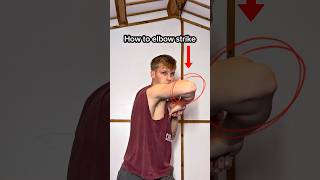
Strike with the Elbow Point, Not the Forearm
The elbow's sharpness and structural integrity make it the optimal striking surface—striking with the forearm dissipates force and reduces cutting potential. Practitioners should target the opponent's cheeks, nose, eyes, and eyebrows with the elbow's tip, whether executing downward or backward variations. This distinction separates an effective technique from a merely damaging one.
Manage Distance Correctly
The elbow strike ranks among the shortest-range attacks available, requiring practitioners to close distance effectively rather than attempt strikes from mid-range. Against opponents who favor jabs or push kicks, footwork and positioning—such as clinching or wall-positioning—are essential prerequisites to successful elbow applications. Fakes and controlled advance techniques bridge the distance safely.
Maintain Defensive Posture During Execution
When within elbow striking range, opponents occupy identical distance, creating mutual vulnerability. Practitioners must develop the habit of extending the palm toward the opponent's forehead or chin to protect their own face while striking. This simultaneous defense-offense integration prevents counter-attacks during technique execution.
Progress Through Fundamentals Before Advanced Variations
Spinning back elbows and flying variations should only be practiced after mastering basic striking mechanics, and competition use should be reserved for professional levels. Amateur practitioners benefit from drilling advanced techniques while refraining from competition application. Foundational competence in basic attacks precedes complex variations.
Create Angles to Penetrate Guard Structures
Horizontal elbow strikes against centered guards encounter defensive forearms rather than target zones. Lateral footwork—stepping perpendicular to the opponent—creates angles that allow the strike to pass through guard gaps, positioning the practitioner's forearm and wrist at the opponent's defensive arms. This angle creation transforms blocked attacks into successful penetrations.
5 Common Elbow Strike Mistakes: How to Cut Your Opponent
Key Takeaways
- •Introduction to Hiji Chudan Mae Ate
- •Strike with the Elbow Point, Not the Forearm
- •Manage Distance Correctly
- •Maintain Defensive Posture During Execution
This tutorial explains 5 common mistakes when throwing the Muay Thai elbow strike, and how to properly cut your opponent in a fight. Though it's short-ranged, the elbow is extremely sharp and can easily draw blood -- so make sure you're throwing them correctly! Full Guide on Muay Thai Elbow Strikes►https://wp.me/p8gySu-jv FOLLOW: Facebook | http://bit.ly/fightTIPSFacebook Twitter | http://bit.ly/fightTIPSTwitter Instagram | http://bit.ly/fightTIPSInstagram
Related Techniques
Frequently Asked Questions
What does this video teach about hiji chudan mae ate?
This video covers introduction to hiji chudan mae ate, strike with the elbow point, not the forearm, manage distance correctly. It provides detailed instruction from fightTIPS.
How long does it take to learn hiji chudan mae ate?
The basic mechanics can be understood in a single session, but developing reliable execution requires consistent drilling over weeks of practice. This 6-part breakdown helps structure your training by isolating each phase of the technique.
What are the key details for finishing hiji chudan mae ate?
Spinning back elbows and flying variations should only be practiced after mastering basic striking mechanics, and competition use should be reserved for professional levels. Amateur practitioners benefit from drilling advanced techniques while refraining from competition application. Foundational competence in basic attacks precedes complex variations.