HOW TO DO HIJI ATE GOHO
0
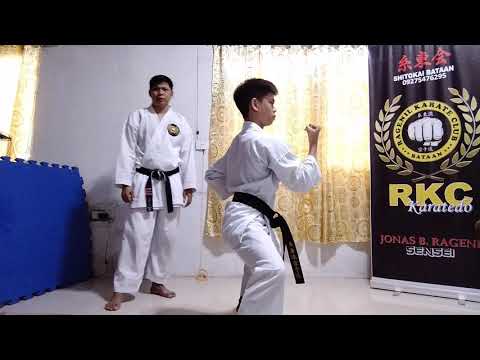
Hiji Jodan Ate·Ragenil Karatedo Club RKC Bataan
Translation: high elbow strike
Hiji Jodan Ate (High Elbow Strike) is a Kyokushin Karate rising elbow strike to the upper level (jodan), targeting the chin. [1] Mas Oyama, founder of Kyokushin Karate, demonstrated this as a fundamental combat technique requiring proper body mechanics and spirit. [1] The technique emphasises full-body power generation through hip rotation and proper weight transfer. [1]
Kyokushin practitioners train this strike for bare-knuckle effectiveness, making it one of the most practically tested karate techniques. [1]
Kyokushin Karate; founded by Masutatsu Oyama (1964). [1]
Used in Kyokushin full-contact karate tournaments
No images yet for this technique.
Sign in to suggest an image.
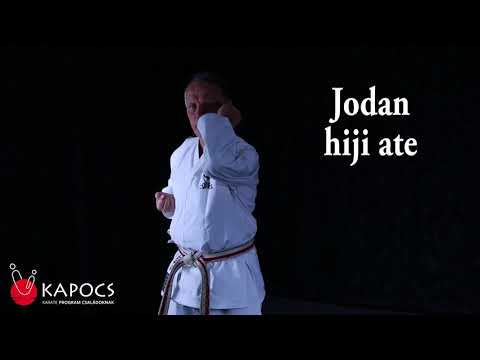
Goju-ryu - Jodan hiji ate A KAPOCS Sportprogram keretében összefoglaltuk a goju-ryu karatestílus alaptechnikáit, hogy eg…
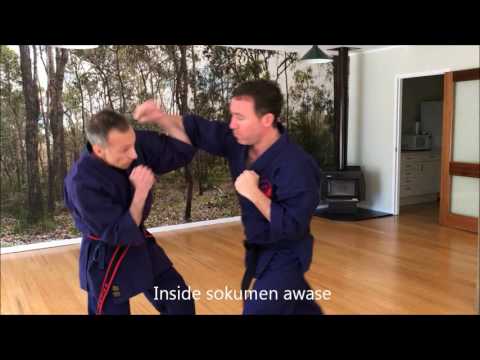
A re-upload combining two videos on the same topic: the forearm/elbow technique that occurs in two places in different g…
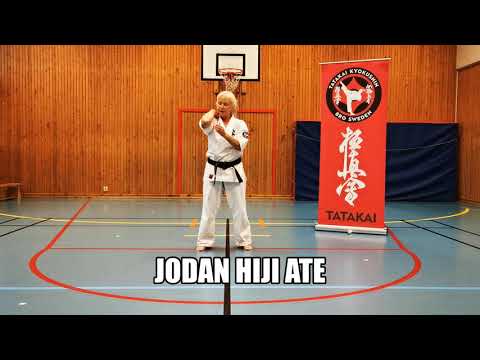
Jodan Hiji Ate
Hiji Jodan Ate is an upper-level elbow strike executed with precise targeting and controlled distance management. According to Dan Djurdjevic—The Way of Least Resistance, the strike relies on striking with either the elbow point or the meaty forearm portion, maintaining a deliberate gap between the striker's arm and the target rather than making flush contact. Djurdjevic emphasizes that the technique functions as a 'shocker' move requiring sequential rather than simultaneous execution; striking in rapid succession (one-two timing) maximizes power and prevents shoulder compromise that occurs when both arms move forward together. The technique integrates with deflection applications, where an initial capture-and-deflect movement precedes the strike itself, creating a flowing transition. KAPOCS Sportprogram and Tatakai Kyokushin Karate demonstrate the form within Goju-ryu and Kyokushin contexts respectively, establishing the technique's presence across karate styles. Ragenil Karatedo Club RKC Bataan references multiple directional variations of Hiji Ate (Goho) and positions (such as Senkustaji), indicating the strike's adaptability across fighting angles and stances. Collectively, instructors stress precise mechanics over raw speed, controlled distance work, and integration with defensive applications.
Synthesized from 4 instructors
No instructional courses yet for this technique.
Sign in to suggest a course.
Risk of injury to the person this technique is applied to
Full-power Kyokushin karate strike trained for bare-knuckle impact
Skill level needed to execute this technique reliably
Whether this technique is allowed under major competition rule sets
This Is Karate (Oyama, 1965)
description, historyOrigin: sourced from Oyama, M
description, historyOrigin: sourced from Oyama, M
Strong hands and wrists (conditioned through makiwara training)
Good hip rotation
Solid stance
Hiji jodan ate (upper-level elbow strike) drives the elbow upward into the chin or jaw — the elbow uppercut. Extremely powerful from clinch range. (Oyama, This Is Karate; Delp, Muay Thai Unleashed)
According to Dan Djurdjevic, Hiji Jodan Ate works best with a small gap rather than full contact—it's more of a 'shocker' move than a driving strike, so you want to avoid both full contact and excessive distance.
Dan Djurdjevic emphasizes that Hiji Jodan Ate involves precise timing with a quick two-part action rather than a single committed drive, maintaining a deliberate gap to maximize the shock effect of the technique.
Hiji Jodan Ate (High Elbow Strike) is a Kyokushin Karate rising elbow strike to the upper level (jodan), targeting the chin. Mas Oyama, founder of Kyokushin Karate, demonstrated this as a fundamental combat technique requiring proper body mechanics and spirit.
Hiji Jodan Ate is a fundamental technique of Kyokushin Karate as codified by Masutatsu Oyama. Kyokushin's emphasis on full-contact fighting requires every strike to be trained for maximum real-world effectiveness.
Unified MMA: legal — Legal — all elbow strikes permitted; WBC/Boxing: banned — All elbow strikes prohibited in boxing; WKF: banned — Elbow strikes not a legal technique in sport karate; Kyokushin: banned — Elbow strikes prohibited; WT: banned — Prohibited; ITF: banned — Prohibited; WAKO: banned — Prohibited in all kickboxing formats; K: banned — 1/GLORY — Prohibited — key difference from Muay Thai; IFMA: legal — Legal — elbows are a core Muay Thai weapon (art of eight limbs)
Danger rating 7/10. Full-power Kyokushin karate strike trained for bare-knuckle impact
The standard setup chain: Stance → Hip rotation → Hiji Jodan Ate → Recovery.
Standard counters include: Block and counter / Distance management / Evasion.
Common variants: From front stance; From fighting stance; As counter-attack.
Used in Kyokushin full-contact karate tournaments
Top errors to watch for: Insufficient hip rotation / Tensing too early / Poor stance.
The Hiji Jodan Ate is also known as Hiji Jodan Ate, High Elbow Strike, Upper Elbow.