Introduction & Foundational Principles
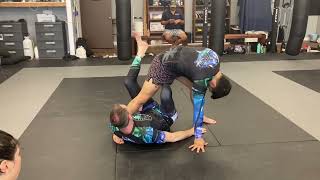
This video demonstrates 49 back mount entries rather than providing detailed technical instruction. Success depends on timing, speed, opponent reaction, and situational awareness. Practitioners should supplement video learning with detailed instruction from qualified instructors.
Basic Back Take from Side Control
The fundamental back take begins by spinning to the side and driving the knee underneath the opponent's ribs. Drive them down to establish back control. If the opponent attempts to bail, slide the leg tight underneath to transition to the baseball slide back take.
Back Mount from Armbar & Triangle Defenses
When an opponent stacks into an armbar attempt, the back mount becomes immediately available. Similarly, when an opponent tips the practitioner down to escape a triangle choke, back control is accessible. The belly-down armbar also creates a natural back take opportunity by throwing the leg over.
Back Takes from Kimura & Omoplata Entries
From the Kimura, if the opponent tucks their hand under their body, straighten the arm underneath and transition to the back. Alternatively, if they extend their arm, throw it over the head for back control. The omoplata effectively exposes the back for immediate attack.
Counter Attacks & Half Guard Entries
A high-percentage counter to the hip bump occurs by pushing on the opponent's leg, stepping over, and taking the back. The samurai roll from half guard is highly effective, as is executing this technique from inside the opponent's reverse de la Riva guard.
Arm Drag & Guard Position Back Takes
The arm drag from closed guard and butterfly guard represents fundamental but effective back take methods. From half guard with an overhook, if the opponent pulls their arm free, set up arm drags from this position. The octopus back take executes by slipping the head underneath the opponent's arm from closed guard.
Advanced Positional Transitions
Arm crushes from the guard establish back attack opportunities and set up the gift wrap for secure positioning. From the mount, use arm crushes to walk the opponent's arm up, establish gift wrap control, sit them up, and fall back to take the back. A tricky north-to-south escape involves getting the body out, rolling backwards, and capturing the back.
Back Takes from Pass Defense & Turtle Position
Execute a samurai back take from the step-back pass, or scoop back when the opponent bumps. From turtle position, the twister roll provides back control by spinning around, securing the near-side hook, and performing a forward roll. The wrestler switch counters opponent back-take attempts by bringing the arm inside the thigh and switching hips.
Standing & Butterfly Guard Back Takes
From standing, the arm drag and duck under serve as primary back-take methods, with pressure applied down the opponent's elbow before tucking the head underneath. From butterfly guard, the cross-collar and pant grip lift effectively takes the back by pushing forward, lifting the opponent, and exposing the back. A body lock from butterfly guard followed by leg lift creates an opportunity to tip and expose the back.
Advanced Guard Variations & Leg-Lock Entries
The brimbla counter involves rolling through, switching the leg, and taking the back instead. Deep half guard variations allow back exposure through foot positioning behind the opponent's leg and belt grips. The spiral sweep, daily heave guard foot placement, and stiff-arm cross grip with sleeve control all effectively expose and secure the back mount position.
49 Back Mount Entries in Less Than 6 Min - Jason Scully BJJ Grappling
Key Takeaways
- •Introduction & Foundational Principles
- •Basic Back Take from Side Control
- •Back Mount from Armbar & Triangle Defenses
- •Back Takes from Kimura & Omoplata Entries
875+ BJJ Tech Demos - https://itunes.apple.com/us/app/875+-bjj-technique-demos/id863770966?ls=1&mt=8 http://www.grapplersguide.com - PLEASE SUBSCRIBE: In this video you will find 49 different Back Mount Entries from many different situations in less than 6 minutes. PLEASE SUBSCRIBE TO MY YOUTUBE CHANNEL BJJ Grappling System Outline: http://www.GrapplersGuide.com Invisible Grappling DVD Set: http://www.InvisibleGrappling.com Solo Grappling Drills: http://www.GrapplingDrills.com Facebook: http://www.facebook.com/jasculs Twitter: http://www.twitter.com/Jason_Scully BJJ For Life Fan Page: http://www.facebook.com/bjjforlife BJJ For Charity: http://www.bjjforcharity.com
Related Techniques
Frequently Asked Questions
What does this video teach about the crocodile?
This video covers introduction & foundational principles, basic back take from side control, back mount from armbar & triangle defenses. It provides detailed instruction from The Grapplers Guide by Jason Scully.
How long does it take to learn the crocodile?
The basic mechanics can be understood in a single session, but developing reliable execution requires consistent drilling over weeks of practice. This 10-part breakdown helps structure your training by isolating each phase of the technique.
What are the key details for finishing the crocodile?
From standing, the arm drag and duck under serve as primary back-take methods, with pressure applied down the opponent's elbow before tucking the head underneath. From butterfly guard, the cross-collar and pant grip lift effectively takes the back by pushing forward, lifting the opponent, and exposing the back. A body lock from butterfly guard followed by leg lift creates an opportunity to tip and expose the back.
Related videos
Advanced Jiu-jitsu - Alligator Choke
Gracie Humaita Jiujitsu in Brownsville
WARMUP 007_The Alligator (Jacare)
SundarJiuJitsu
Mounted Rubber Guard - 10th Planet Jiu Jitsu
Brandon Mccaghren
10th Planet Fundamentals Half Guard Stomp & Super Stomp 2 of 2 Heather
10th Planet Denver Jiu Jitsu
Ways to use Mini Stomp, 10th Planet Orange Park Jiu Jitsu
10th Planet Orange Park