Introduction to Septime
The parry of septime is the seventh defensive position in classical fencing, designed to protect the lower outside line of the body. This parry is executed by rotating the sword arm so the blade crosses diagonally below the wrist, with the point directed downward and slightly forward. Mastery of septime is essential for comprehensive blade defense and establishing control in close-range engagements.
Starting Position
The fencer begins in a balanced on-guard stance with the sword arm extended at mid-level. The wrist and forearm should remain relaxed to allow for fluid transition into the septime position. Weight is distributed evenly between both feet, enabling quick directional adjustments.
Blade Movement and Angle
Execute septime by rotating the forearm inward while maintaining wrist flexibility, positioning the blade across the body at approximately 45 degrees below horizontal. The sword hand stays at waist height with the knuckles facing downward and slightly outward. This angled positioning effectively covers the lower outside target area while maintaining sight lines to the opponent.
Common Applications
Septime effectively counters attacks directed at the lower flank and outside hip. The position naturally transitions into offensive actions such as the riposte or counter-riposte, allowing immediate counterattack following successful parry execution. Practitioners should practice septime in combination with adjacent parries to develop seamless defensive transitions.
Parry 7 (septime)
Key Takeaways
- •Introduction to Septime
- •Starting Position
- •Blade Movement and Angle
- •Common Applications
Fencing - how to do parry 7 (aka septime)
Frequently Asked Questions
What does this video teach about parry of septime?
This video covers introduction to septime, starting position, blade movement and angle. It provides detailed instruction from WaltonSean.
How long does it take to learn parry of septime?
The basic mechanics can be understood in a single session, but developing reliable execution requires consistent drilling over weeks of practice. This 4-part breakdown helps structure your training by isolating each phase of the technique.
Related videos
![Seated Parry Riposte Game | Fencing Tutorial [Home Edition] Foil, Epee, Saber](https://img.youtube.com/vi/B_sHGhLolC4/mqdefault.jpg)
Seated Parry Riposte Game | Fencing Tutorial [Home Edition] Foil, Epee, Saber
S-Class
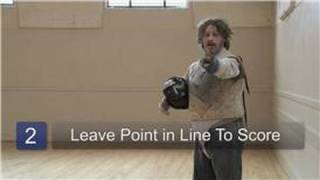
Fencing Tips : How to Teach a Parry in Fencing
eHowSports
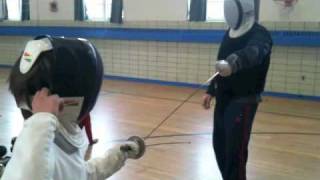
Lesson 5 - Pare 6th, 7, Septime, 4th extend lunge.
Thierry1964

Fencing Tips : Fencing: Parrying Techniques
eHowSports

Bladework 2, part 1 Yielding parry
Alex Freeman