JKD Ground Fighting Techniques
0
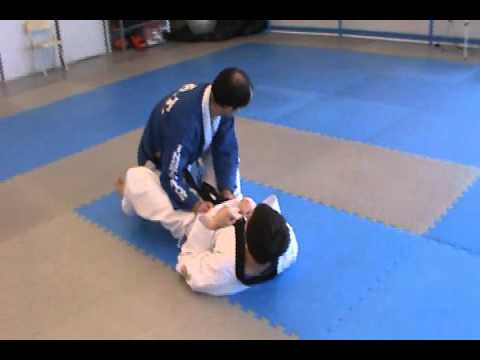
TKD Ground Control·EliteDefenseSystems
http://www.JKDnewsletter.com Jeet Kune Do training using ground fighting moves from Brazilian Jiu Jitsu from cross side …
Translation: Taekwondo ground control
Cross-style technique adapted for modern combat sports. [1]
Effective in modern MMA and cross-style competition. [1]
Cross-style martial arts. [1]
Used in modern MMA and combat sports
No images yet for this technique.
Sign in to suggest an image.
Not yet documented
http://www.JKDnewsletter.com Jeet Kune Do training using ground fighting moves from Brazilian Jiu Jitsu from cross side …
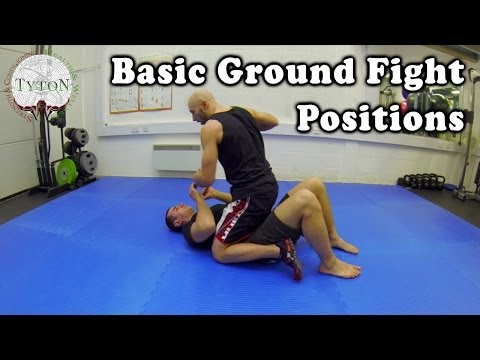
Grappling Drill F. Basic Grappling Positions. Normally for green belts.
In this video I talk you through the basic positions that you're likely to end up in or pass through once a fight goes t…
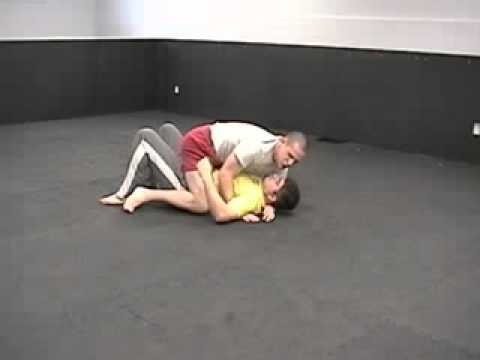
TKD Ground Control, as taught across these instructional frameworks, encompasses the fundamental positions and control mechanics that emerge once a fight reaches the ground. STRONGER Than Life! provides a comprehensive taxonomy of basic positions—guard, half guard, side mount, full mount, and north-south—emphasizing the strategic advantages and submission threats inherent to each. The instructor notes that while guard position favors the bottom fighter defensively through leg control and submission options (arm bars, triangles), the top position excels in striking power and control. EliteDefenseSystems focuses on top-position dominance from cross-side control, introducing the defensive base position with chest-to-chest weight distribution, locked hands under the neck and opponent's arm, and knee pinning to the hip. The system emphasizes transitional moves such as knee exchanges to mount and submission sequences (three locks progression and wrist chokes). Korean Academy of Taekwondo integrates both guard retention and positional progression, stressing a wide base to prevent sweeps, arm protection against submissions, and critical leg control during transitions. This instructor emphasizes the progression from guard through mount positions to back mount as the superior finishing position, and introduces environmental adaptation (standing escape options). All three instructors agree on the hierarchical superiority of top positions and the necessity of base stability; they differ primarily in technical depth, with EliteDefenseSystems emphasizing submission mechanics and Korean Academy detailing dynamic escapes and the never-ending positional cycle.
Synthesized from 3 instructors
No instructional courses yet for this technique.
Sign in to suggest a course.
Risk of injury to the person this technique is applied to
Technique varies by application
Skill level needed to execute this technique reliably
Whether this technique is allowed under major competition rule sets
Lukasz, T. Taekwondo Grappling Techniques: Hone Your Competitive Edge for Mixed Martial Arts.
[1] Lukasz, Taekwondo Grappling Techniques — technique description and application
Good timing
Explosive movement
TKD ground control techniques are documented in Lukasz's Taekwondo Grappling Techniques — adapting Taekwondo's predominantly striking-based system for ground situations in MMA. A relatively modern addition to the TKD curriculum. (Lukasz, Taekwondo Grappling Techniques)
Being on top prevents your opponent from using their legs effectively to control or sweep you. From the top position, especially in mount, your opponent has limited options beyond defense, while you maintain the ability to apply submissions and maintain control.
According to the Korean Academy of Taekwondo, maintain a wide base—imagine a triangle with the longest side on the ground, which is harder to tip than an inverted triangle. Keep your back straight, grab your partner's belt to prevent arm attacks, and dig your elbows into their sides for stability.
Hold down your opponent's leg while performing guard passes to prevent them from reaching and escaping. When passing the guard, drive forward to stack them, and if they turn to escape, give them space to turn into your back mount position, which is the strongest controlling position.
Keep your arms tucked in a T-Rex position with short arms, grab your partner's belt to prevent armbar attacks, and dig your elbows into their sides. Maintain a straight back and keep your head protected against chokes and strikes.
TKD Ground Control adapts basic pinning and control concepts for taekwondo practitioners who find themselves on the ground in MMA.
Cross-style technique adapted for modern combat sports.
IBJJF: legal — Legal — guard is fundamental to BJJ, sweeps from guard score 2 points; IJF: restricted — Guard pulling penalized as non-combativity — groundwork from guard permitted …; ADCC: legal — Legal, guard pull penalized -1 point in points portion; Unified MMA: legal — Legal — no penalty for playing guard; FIAS Sport Sambo: legal — Legal
Danger rating 4/10. Technique varies by application
The standard setup chain: Engagement → TKD Ground Control → Follow-up.
Standard counters include: Sprawl / Block / Counter-attack.
Used in modern MMA and combat sports
Top errors to watch for: Poor timing / Over-committing.
The TKD Ground Control is also known as Tekondō Newaza Kontorōru, Taekwondo Pin, TKD Top Control.