Finish the Kimura Every Time! Jiu Jitsu Tutorial
0
Ключалка Кимура·Matt Arroyo Jiu Jitsu
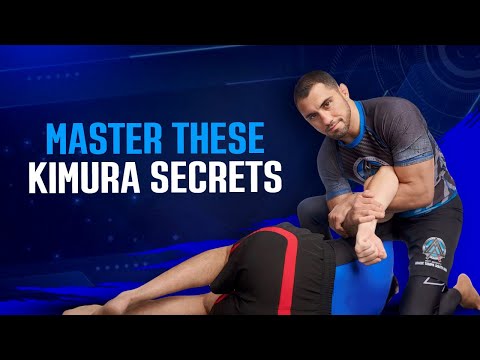
Join My Online Academy to Improve Your Jiu Jitsu FAST!!! https://academy.mattarroyo.com/ Struggling to finish the kimu…
Translation: оплитане на ръката
Ключалката Кимура (гяку-уде-гарами / двоен захват за китка) е рамоначна ключалка, при която нападателят хваща китката на противника с едната ръка, прокарва другата под лакътя му и застопорява захват „четворка
Техниката е кръстена на Масахико Кимура, легендарния джудист, победил Хелио Грейси през 1951 г. с гяку-уде-гарами (逆腕絡み, „обратно оплитане на ръката Км), счупвайки ръката на Грейси. [1],[2] В кеч борбата същата техника се нарича двоен захват за китка. [1] Кимурата се превърна в една от най-изучаваните ключалки в съвременната борба, като Джон Данахер и други инструктори изградиха около нея цели систематични подходи. [1],[3]
Кимурата (уде-гарами) е едновременно ключалка с висок процент на успех и един от най-мощните инструменти за позиционен контрол в борбата. [1] Захватът „четворка
Уде-гарами (腕緘) е кодифицирана в канцецу-ваза на Кодокан джудото от Дзигоро Кано. [1] Техниката стана известна като „Кимура
Кимурата е сред десетте най-чести ключалки в историята на UFC. [1] Завършването с Кимура от Франк Мир срещу Антонио Родриго Ногейра на UFC 140 (2011) доведе до счупена ръка и остава едно от най-драматичните завършвания в историята на UFC. [1] Победата на Масахико Кимура над Хелио Грейси през 1951 г. е един от най-значимите двубои в историята на бойните изкуства. [2]
No images yet for this technique.
Sign in to suggest an image.
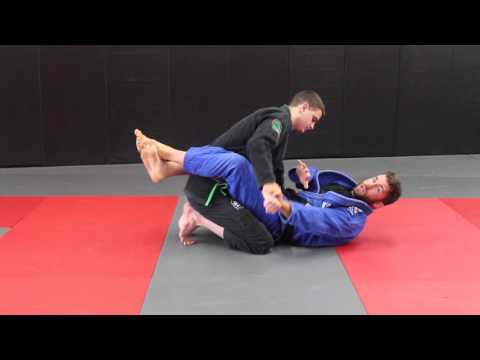
Join My Online Academy to Improve Your Jiu Jitsu FAST!!! https://academy.mattarroyo.com/ Struggling to finish the kimu…
www.Chewjitsu.net In this video I show a kimura from closed guard. The kimura from closed guard is one of the essenti…
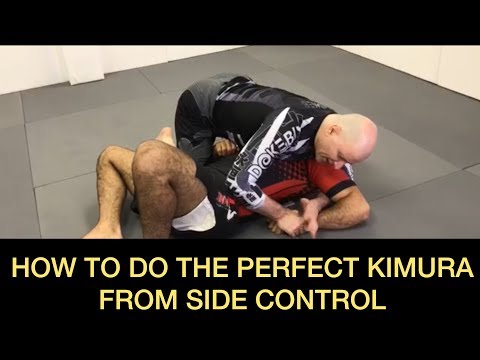
How To Do The Perfect Kimura From Side Control by John Danaher - Click Here To Check Out John Danaher's Instructional Vi…
The Kimura lock is a shoulder joint lock requiring precise setup and finishing mechanics across multiple positions. Matt Arroyo Jiu Jitsu emphasizes the closed guard entry, stressing that the opponent's hands must be on the mat rather than on the attacker's body; this is achieved using leg pressure and the 'torpedo method'—following the opponent's hands persistently until they land flat. Arroyo prioritizes hooking high near the shoulder and armpit immediately after hand positioning to prevent the opponent from extracting their arm, then securing the figure-four grip with the thumb underneath, followed by methodical elbow-to-hip movements to displace the hand from the mat before swiveling perpendicular and applying the finish via body turn and wrist-to-back pressure. Chewjitsu, also addressing closed guard Kimura for white belts, agrees on the importance of getting hands to the mat and emphasizes arching the back to create a slope preventing the opponent from digging in. Chewjitsu stresses gripping the wrist (not the forearm) with two to three fingers, locking the arm straight, and transitioning to a thumbless grip when forming the figure-four to protect the thumb and maintain grip security with elbows pinched tight. Both Arroyo and Chewjitsu prioritize the sit-to-elbow position rather than sitting upright. John Danaher, presented by Bernardo Faria from side control, introduces a fundamentally different mechanical principle: the 'power line' concept operating diagonally across the opponent's body rather than perpendicularly to the chest. Danaher advocates for pull-dominant Kimuras (immobilizing the wrist while pulling the elbow) over push-dominant variations, positioning the attacker's hips over the opponent's opposite shoulder and head over the opponent's hip to create extreme shoulder and elbow tension. All three instructors agree the Kimura is highly effective when technical details are properly implemented.
Synthesized from 3 instructors
No instructional courses yet for this technique.
Sign in to suggest a course.
Risk of injury to the person this technique is applied to
Кимурата (двоен захват за китка) атакува рамото чрез принудително вътрешно завъртане; риск от разкъсване на ротаторния маншон
Skill level needed to execute this technique reliably
Whether this technique is allowed under major competition rule sets
Kodokan Judo — Official Katame-waza Classification
Kodokan — Ude-garami (腕緘) classification
Alias sources — [1] Kodokan Judo (Kano, 1986) [2] Say Uncle (Melanson, 2013) [3] Wrestling Physical Conditioning Encyclopedia (Welker, 2010)
Effectiveness sources — [1] Jiu-Jitsu University (Ribeiro, 2008) [2] Mastering Jujitsu (Gracie & Danaher, 2003) [3] Kimura Enter the System (Danaher, 2019, BJJ Fanatics)
Standard Japanese martial arts terminology (kanji/hiragana)
Established Japanese martial arts naming convention — native Japanese term (和語/漢語)
Kodokan — Ude-garami (腕緘) classification
Alias sources — [1] Kodokan Judo (Kano, 1986) [2] Say Uncle (Melanson, 2013) [3] Wrestling Physical Conditioning Encyclopedia (Welker, 2010)
Effectiveness sources — [1] Jiu-Jitsu University (Ribeiro, 2008) [2] Mastering Jujitsu (Gracie & Danaher, 2003) [3] Kimura Enter the System (Danaher, 2019, BJJ Fanatics)
сила на захвата, ротационна сила, стабилност на рамото и корема
силни предмишници и дебели китки
флексори на предмишницата, ротаторен маншон, ротатори на корема, делтоиди
Терминът „Кимура
Grip at the wrist rather than the meat of the forearm, as this gives you a stronger grip that's much harder for your opponent to break. Chewjitsu emphasizes that after breaking posture, you should grab the wrist and lock that arm out straight, since a bent arm allows your opponent to easily roll their wrist and escape.
If your arm is bent, your opponent can simply roll their wrist and bring their hand back to safety. By locking your arm out straight, your opponent has to pull their arm way back, making it far more difficult to escape. Chewjitsu stresses this detail as crucial for white belt success.
Open your guard with a small hip escape, shift your weight to your hip and side, then sit up to your elbow rather than straight up to your butt. This allows you to lean forward and prevents your opponent from simply driving you down. Make sure to pinch your elbows tight together and finish on your side, as the further your elbows are out, the weaker the submission becomes.
Hook the arm immediately and as high as possible at the shoulder and armpit, not down at the wrist or elbow. Matt Arroyo explains that most people grab the wrist first, which alerts the opponent to escape, but hooking high and tight to the armpit traps them so they can't rip their elbow free, giving you time to secure the lock.
Get behind the submission by positioning yourself perpendicular to your opponent's arm, glue their elbow to your chest, and push their wrist toward their back using pressure rather than pulling. Matt Arroyo notes that you should drive forward with your hip, bulldozing their hand off the mat, and keep your leg high over their back to prevent them from rolling out.
According to John Danaher, position your hips on your opponent's shoulder and follow the diagonal power line that runs from their opposite hip to the opposite shoulder—positioning somewhere between north and south rather than perpendicular. Your head should go over their hip, which puts you on the correct power line to generate extreme breaking pressure.
Ключалката Кимура (гяку-уде-гарами / двоен захват за китка) е рамоначна ключалка, при която нападателят хваща китката на противника с едната ръка, прокарва другата под лакътя му и застопорява захват „четворка
Техниката е кръстена на Масахико Кимура, легендарния джудист, победил Хелио Грейси през 1951 г. с гяку-уде-гарами (逆腕絡み, „обратно оплитане на ръката Км), счупвайки ръката на Грейси.
IBJJF: легална — Разрешена на всички нива по колани; IJF: забранена — Разрешени са само ключалки за лакътна става (канцецу-ваза) в джудото — всички…; ADCC: легална — Разрешена — всички ключалки са разрешени в ADCC; Unified MMA: легална — Разрешена техника за ключалка; FIAS Sport Sambo: легална — Разрешена; FIAS Combat Sambo: легална — Разрешена
Оценка на опасност 7/10. Кимурата (двоен захват за китка) атакува рамото чрез принудително вътрешно завъртане; риск от разкъсване на ротаторния маншон
Стандартната верига за подготовка: Контрол над ръката → Позициониране на бедрата → Стискане на колената → Разгъване за завършване.
Стандартните контри включват: Захват за собствена китка — хванете собствената си китка, за да предотвратите разгъването на ръката / Притискане — тласнете напред, за да притиснете нападателя и да облекчите налягането в лакъта / Бягство „автостопаджия.
Чести варианти: Стандартна Кимура (захват „четворка).
Кимурата е сред десетте най-чести ключалки в историята на UFC. Завършването с Кимура от Франк Мир срещу Антонио Родриго Ногейра на UFC 140 (2011) доведе до счупена ръка и остава едно от най-драматичните завършвания в историята на UFC.
Основни грешки, за които да внимавате: Лакътят на противника не се държи близо до тялото му — лакътят трябва да е свит и близо до торса; изправена ръка се и… / Повдигане на ръката без контрол над лакъта — завъртането на ръката и повдигането на лакъта трябва да стават едновременно / Опит за Кимура с изправена ръка на противника — първо я огънете; Кимурата работи само при свита ръка / Неизползване на телесното тегло за притискане на рамото — рамото трябва да е плоско на земята; повдигнато рамо поглъщ….
Ключалка Кимура е известна също като Ude-garami, уде-гарами, двоен захват за китка, пилешко крило.