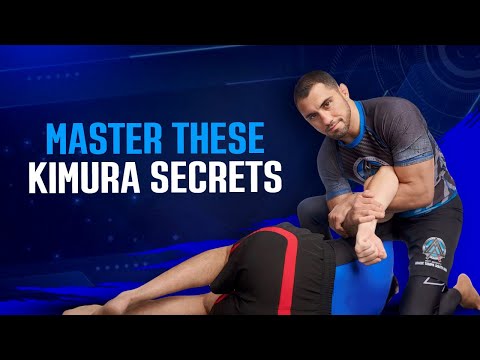
Finish the Kimura Every Time! Jiu Jitsu Tutorial
0
Удари към кимура·Matt Arroyo Jiu Jitsu
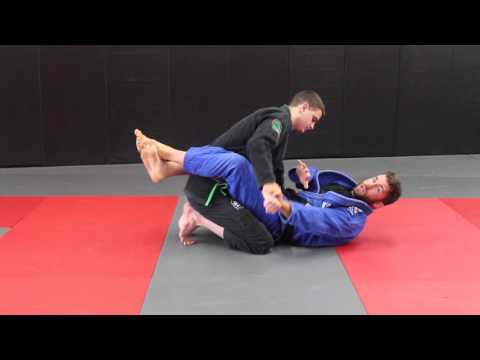
Join My Online Academy to Improve Your Jiu Jitsu FAST!!! https://academy.mattarroyo.com/ Struggling to finish the kimu…
Translation: удари към кимура
Техниката „удари към кимура
Техника за захват, адаптирана за MMA. [1]
Доказана на най-високо ниво в MMA. [1]
Методология за захвати в MMA. [1]
Използвана в UFC и професионалния MMA
No images yet for this technique.
Sign in to suggest an image.
Join My Online Academy to Improve Your Jiu Jitsu FAST!!! https://academy.mattarroyo.com/ Struggling to finish the kimu…
www.Chewjitsu.net In this video I show a kimura from closed guard. The kimura from closed guard is one of the essenti…
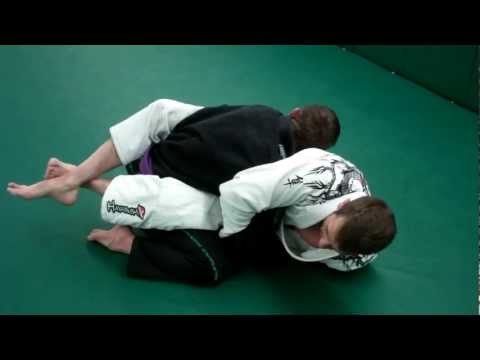
How to finish a Kimura from the guard position with Relson Gracie Black Belt Steve Hordinski. Steve is the owner of Rels…
Striking to Kimura is a guard-based arm-lock submission that transitions from striking or striking-like actions into a controlled joint-lock finish. The technique involves forcing the opponent's hands to the mat as a prerequisite—a critical detail emphasized across all three instructors. Matt Arroyo Jiu Jitsu describes using the "torpedo method," actively following the opponent's hands with leg pressure and blocking until palms contact the mat, while Chewjitsu advocates arching the back to create a "slope" that makes hand placement on the mat difficult for the opponent. Once hands are grounded and the attacker achieves chest-to-chest contact, the setup mirrors the classical Kimura grip: both arms controlling one opponent arm in a figure-four configuration. Key distinctions emerge in grip preferences—Arroyo favors thumb-down positioning on the wrist, while Chewjitsu recommends switching to a thumbless grip to avoid thumb injury and improve grip security. Performance MMA emphasizes creating offensive pressure from the guard rather than waiting for the opponent's mistake, using collar control to force engagement. All three instructors stress hip-drive finishing mechanics and elbow positioning: keeping elbows tight to the body dramatically increases pressure and prevents escape. The technique succeeds through leveraging two arms against one, with body positioning and hip pressure ultimately overpowering arm strength.
Synthesized from 3 instructors
No instructional courses yet for this technique.
Sign in to suggest a course.
Risk of injury to the person this technique is applied to
Захват с потенциал за завършване на двубоя
Skill level needed to execute this technique reliably
Whether this technique is allowed under major competition rule sets
Mixed Martial Arts: The Book of Knowledge (Penn, Cordoza & Krauss, 2007)
description, historyOrigin: sourced from Penn, B
description, historyOrigin: sourced from Penn, B
Добра сила на хвата
Способност за довършване на захвати
Ударите към кимура са специфична за MMA комбинация — нанасяне на удари от горна позиция принуждава противника да изтегли ръцете си защитно, след което изложената ръка се хваща с кимура. Съчетава удари и борба в единна атака. (Наръчници за MMA тренировки; спортни записи)
According to Matt Arroyo Jiu Jitsu, you're likely missing small but critical details in the setup and finish. The most common mistake is grabbing the wrist too early, which alerts your opponent and lets them rip their arm free. Instead, get your opponent's hands flat on the mat first, then hook high at the shoulder and armpit—not the forearm—to trap the arm before they can escape.
Matt Arroyo Jiu Jitsu recommends using a thumbless grip with your bicep positioned perpendicular (behind) your opponent's arm, not pulled in front like a pull-up. Once locked in, glue their elbow to your chest and push their wrist toward their back rather than pulling, which is much stronger. Keep your elbows pinched tight together throughout—the further your elbows are apart, the weaker the finish.
Matt Arroyo Jiu Jitsu explains that if your opponent's hand is glued to the mat, use an elbow-to-hip motion repeatedly, bulldozing their hand off the mat with your hip. Keep your top leg positioned high and across their back to prevent them from forward rolling out. Once their hand lifts, you can finish the submission.
Chewjitsu emphasizes that you must break posture first, then grab the wrist and lock your own arm out straight. If your arm is bent, your opponent can easily roll your wrist back in. When you open your guard, do a small hip escape and shift to your side, then sit up to your elbow (not your butt) to maintain control and lean forward with pressure.
Both Matt Arroyo Jiu Jitsu and Chewjitsu stress that the further your elbows are apart, the weaker your leverage becomes. Pinching your elbows in tight creates maximum mechanical advantage, especially when you transition to the thumbless grip. This is critical whether you're finishing from the top or when you're already on your side.
Техниката „удари към кимура
Техника за захват, адаптирана за MMA.
IBJJF: легална — Разрешено на всички пояси; IJF: легална — Разрешено — лост за лакътна става (канsetsu-waza), една от позволените катего…; ADCC: легална — Разрешено — всички захвати са разрешени в ADCC; Unified MMA: легална — Разрешена техника за захват; FIAS Sport Sambo: легална — Разрешено; FIAS Combat Sambo: легална — Разрешено
Оценка на опасност 8/10. Захват с потенциал за завършване на двубоя
Стандартната верига за подготовка: Позиция → Удари → Удари към кимура.
Стандартните контри включват: Изправяне на стойката / Притискане / Преминаване през гард.
Чести варианти: Стандартна техника удари към кимура.
Използвана в UFC и професионалния MMA
Основни грешки, за които да внимавате: Изоставяне на позицията заради захвата / Слаб хват.
Удари към кимура е известна също като Striking to Kimura, GNP към кимура, Кимура с ударна подготовка.