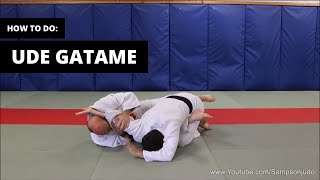
Establishing Hand Control
Before attempting the Kimura, the practitioner must first secure both of the opponent's hands to the mat. This is accomplished by arching the back to create an unfavorable angle for the opponent to resist, then using leg pressure to pin the hands down. The arch creates a slope that prevents the opponent from generating downward force.
Wrist Grip Mechanics
When grabbing the opponent's arm, target the wrist rather than the forearm meat, focusing pressure with two to three fingers at the junction where the forearm meets the hand. This precise grip point provides superior control and is significantly more difficult for the opponent to escape than a broader forearm grip.
Arm Extension and Posture
The attacking arm must be fully extended and locked out immediately after securing the wrist grip. A bent attacking arm allows the opponent to simply roll their wrist and recover position, whereas full extension forces them to pull their arm back substantially further, increasing the difficulty of escape.
Guard Opening and Weight Shift
When opening the guard, perform a minimal hip escape to create space while maintaining control of the locked arm. The practitioner should shift their weight to the hip and side, then sit up onto the elbow rather than into an upright posture. This positioning allows forward pressure that counters opponent resistance and prevents being driven down.
Figure Four Lock Setup
Before securing the figure four lock, pass the opponent's arm to the opposite side while maintaining the wrist grip. For taller practitioners, bring the elbows in close together rather than allowing them to flare outward. Pinching the elbows tight significantly strengthens the entire lock structure.
Thumbless Grip Conversion
Upon completing the figure four lock, immediately remove the thumb and convert to a thumbless monkey grip. This modification provides superior grip endurance and prevents thumb injuries when the opponent attempts to manipulate their hand position during the submission.
Finish and Body Alignment
To complete the Kimura, scoot the hips out while turning the entire body toward the opponent rather than isolating the arm. The elbows must remain pinched tightly against the ribs, converting the entire body into the submission force. This full-body rotation maximizes pressure on the shoulder and ensures a secure finish.
Kimura From Closed Guard For White Belts (Small Details To Improve Success)
Key Takeaways
- •Establishing Hand Control
- •Wrist Grip Mechanics
- •Arm Extension and Posture
- •Guard Opening and Weight Shift
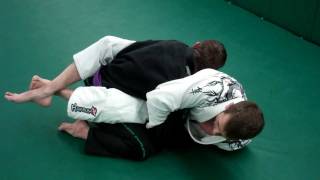
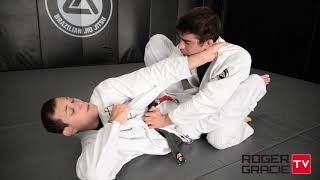
www.Chewjitsu.net In this video I show a kimura from closed guard. The kimura from closed guard is one of the essential techniques everyone has to have, especially white belts. In the video I give some small details that help my students and have helped me make the move more successful during training and competitions. http://www.instagram.com/chewjitsu http://www.twitter.com/chewjitsu http://www.facebook.com/chewjitsu https://www.periscope.tv/chewjitsu Snapchat : Chewjitsu
Related Techniques
Frequently Asked Questions
What does this video teach about striking to kimura?
This video covers establishing hand control, wrist grip mechanics, arm extension and posture. It provides detailed instruction from Chewjitsu.
How long does it take to learn striking to kimura?
The basic mechanics can be understood in a single session, but developing reliable execution requires consistent drilling over weeks of practice. This 7-part breakdown helps structure your training by isolating each phase of the technique.
What are the key details for finishing striking to kimura?
Upon completing the figure four lock, immediately remove the thumb and convert to a thumbless monkey grip. This modification provides superior grip endurance and prevents thumb injuries when the opponent attempts to manipulate their hand position during the submission.