Introduction to Kimura from Guard
The Kimura from guard is a highly effective submission technique, particularly effective in no-gi grappling. While commonly seen from north-south position, this variation from guard offers distinct advantages when executed properly.
Common Defense Mistakes
Opponents typically recognize the Kimura setup and attempt defensive measures such as pulling the arm free or wrapping their leg around the instructor's arm. Many practitioners abandon the submission prematurely when encountering resistance, rather than adjusting their approach.
Initial Position and Grip Setup
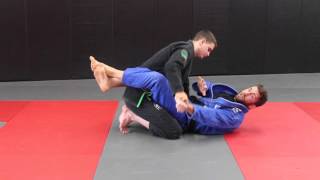
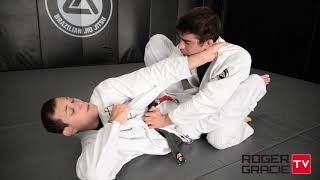
From guard position, the instructor establishes an active attacking posture rather than passively maintaining position. The first step involves securing a deep collar grip with one hand while hooking the opponent's wrist with the other hand on the same side.
Creating the Setup Action
The instructor creates offensive pressure by hooking the wrist, turning the body, and straightening the arm while simultaneously pulling downward on the opponent's head. This coordinated movement forces the opponent to react defensively.
Countering the Leg Defense
When opponents wrap their leg around the instructor's arm in defense, the solution is to maintain grip integrity while repositioning the attacking leg lower onto the opponent's thigh. This shift changes the angle of attack and pressure application.
Finishing with Hip and Leg Pressure
Rather than relying on arm strength, the instructor uses leg pressure, hip positioning, and full body weight against the opponent's arm. The leg remains stiff and heavy while pivoting from the internal pressure point to complete the submission.
Overcoming Strength Resistance
If an opponent applies significant resistance, the instructor applies controlled tension while using rhythmic leg movements to gradually overcome their strength. This approach leverages superior body mechanics rather than competing in raw strength.
Secondary Grip and Leg Separation
The instructor can reinforce the submission by wrapping the second hand around the opponent's leg for additional control. The key principle involves separating the opponent's leg from their arm rather than attacking the arm directly, which neutralizes common defensive grips.
Kimura from Guard Technique #1
Key Takeaways
- •Introduction to Kimura from Guard
- •Common Defense Mistakes
- •Initial Position and Grip Setup
- •Creating the Setup Action
How to finish a Kimura from the guard position with Relson Gracie Black Belt Steve Hordinski. Steve is the owner of Relson Gracie Colorado http://relsongracieacademy.com/
Related Techniques
Frequently Asked Questions
What does this video teach about striking to kimura?
This video covers introduction to kimura from guard, common defense mistakes, initial position and grip setup. It provides detailed instruction from Performance MMA.
How long does it take to learn striking to kimura?
The basic mechanics can be understood in a single session, but developing reliable execution requires consistent drilling over weeks of practice. This 8-part breakdown helps structure your training by isolating each phase of the technique.
What are the key details for finishing striking to kimura?
If an opponent applies significant resistance, the instructor applies controlled tension while using rhythmic leg movements to gradually overcome their strength. This approach leverages superior body mechanics rather than competing in raw strength.