Introduction and Instructor Credentials
Robert Robles from Team Third Law Brazilian Jiu-Jitsu introduces the instructional content on fundamental escape techniques. Students and practitioners are directed to additional resources at bjjengineer.com and thirdlaw.bjj.com for continued learning.
Technique Overview: Side Mount Escape
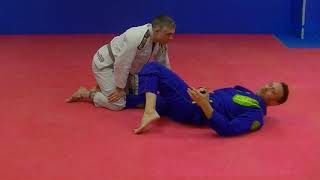
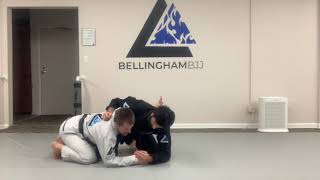
The primary focus is the side switch escape from the side control position. This foundational technique addresses one of the most common and challenging positions in Brazilian Jiu-Jitsu, requiring proper body mechanics and timing.
Hand Positioning: Throat and Wrist Safety
The defender must immediately place one hand in front of the opponent's neck to protect against submissions and control pressure. This positioning should be established before the opponent fully settles into side control, as premature execution leaves the defender vulnerable to wrist locks and arm pins.
Hip Control and Lower Body Foundation
The second hand is positioned at the opponent's hips to control weight distribution rather than apply direct pushing force. Pulling the knees tightly toward the buttocks creates the base necessary for executing the bridge and shrimp movement effectively.
Bridge Mechanics and Weight Distribution
The defender bridges explosively on one shoulder while maintaining the throat contact, lifting the back off the floor to disrupt the opponent's pressure. This movement is immediately followed by walking the feet laterally to increase separation and momentum.
Shrimp Movement and Elbow Connection
After establishing the bridge, the defender connects the elbow to the body and executes a shrimp movement, rotating the hips away from the opponent. This synchronized motion creates space and repositioning opportunity while maintaining control of the opponent's posture.
Guard Recovery and Positional Awareness
As the opponent attempts to maintain control by bringing the chest closer, the defender rotates into the opponent's direction to establish guard position. This escape sequence is completed when the defender successfully replaces their guard, though secondary attacking opportunities may present themselves during the transition.
Technique Summary and Progression Preview
The bridge and shrimp escape from side control serves as a fundamental defense mechanism and entry point for more advanced techniques. The next progression introduces the side switch escape, which builds upon the foundational mechanics demonstrated in this initial sequence.
Third Law BJJ Naples, Florida Bridge and Shrimp techniques
Key Takeaways
- •Introduction and Instructor Credentials
- •Technique Overview: Side Mount Escape
- •Hand Positioning: Throat and Wrist Safety
- •Hip Control and Lower Body Foundation
Third Law BJJ bridge and shrimp
Frequently Asked Questions
What does this video teach about standard bridge and roll?
This video covers introduction and instructor credentials, technique overview: side mount escape, hand positioning: throat and wrist safety. It provides detailed instruction from Team Third Law Academy #2.
How long does it take to learn standard bridge and roll?
The basic mechanics can be understood in a single session, but developing reliable execution requires consistent drilling over weeks of practice. This 8-part breakdown helps structure your training by isolating each phase of the technique.
What are the key details for finishing standard bridge and roll?
As the opponent attempts to maintain control by bringing the chest closer, the defender rotates into the opponent's direction to establish guard position. This escape sequence is completed when the defender successfully replaces their guard, though secondary attacking opportunities may present themselves during the transition.