Introduction to Hand, Body, and Leg Immobilization
Hand, body, and leg immobilization techniques are fundamental defensive and offensive strategies applicable across multiple martial arts disciplines, from boxing to grappling. These techniques function both from standing and ground positions, allowing practitioners to control opponents by restricting their mobility and striking capacity.
Hand Immobilization in Boxing Context
When a boxer absorbs strikes, clinching or tying up the opponent's hands prevents further attacks. This defensive mechanism neutralizes the opponent's offensive capability by controlling both arms simultaneously, a strategy employed even at professional boxing levels.
Tactical Hand Trapping for Offensive Advantage
Hand trapping involves momentarily controlling an opponent's hands or guard to disrupt their defense or create openings for immediate counterattacks. By appearing non-threatening while establishing hand control, the practitioner can launch rapid strikes before the opponent can react defensively.
Arm Drag and Positional Transitions
The arm drag technique exploits a false sense of security to transition behind an opponent. By establishing control of both hands while positioning behind the opponent, the practitioner gains significant tactical advantage for takedowns or submission attempts.
Leg Immobilization and Takedown Prevention
Leg immobilization removes an opponent's base and mobility through sweeps, caught kicks, or intercepted takedown attempts. Whether catching a round kick or defending against a single-leg takedown, controlling the leg provides opportunities for takedowns, throws, or submissions.
Ground Control: Establishing Mount Position
Once an opponent is grounded, immobilization through knee mount or full mount prevents escape and enables striking or submission attacks. Positioning the body to control the opponent while protecting vulnerable areas ensures dominant control over a downed opponent.
Upper Body Trapping in Ground Positions
Upper body trapping in knee mount, side control, and full mount restricts opponent movement and creates submission opportunities. These positions, used extensively in Brazilian Jiu-Jitsu and professional MMA, immobilize the torso while allowing the practitioner to execute strikes or joint locks.
Lower Body Trapping and Positional Progression
Lower body trapping through leg control during takedowns transitions into upper body control as the practitioner establishes dominant positioning. This progression from lower to upper body immobilization creates a systematic path toward submission or striking opportunities.
Integrated Trapping Across Martial Arts Systems
Hand, leg, and body immobilization techniques appear consistently across boxing, wrestling, judo, wing chun, and Brazilian Jiu-Jitsu, demonstrating their universal application in combat sports. These fundamental principles form the core of the Jibangjirindo system's approach to controlling opponents.
Ground HBL- Hand, Leg, Body Immobilization Attack
Key Takeaways
- •Introduction to Hand, Body, and Leg Immobilization
- •Hand Immobilization in Boxing Context
- •Tactical Hand Trapping for Offensive Advantage
- •Arm Drag and Positional Transitions
Hybrid Martial Arts Academy in Miami,FL Head Instructor: Sifu Courtney White demonstrates Jeet Kune Do Concepts for Grappling. Brazilian Jiujitsu, Combat Submission Wrestling for MMA and UFC fighters in Miami,FL. http://www.hybridmartialart.com 786-385-6424 Ground Fighting- Hand, Leg, Body Immobilization Attack.
Frequently Asked Questions
What does this video teach about standard over-arms bear hug?
This video covers introduction to hand, body, and leg immobilization, hand immobilization in boxing context, tactical hand trapping for offensive advantage. It provides detailed instruction from Leo Sanchez.
How long does it take to learn standard over-arms bear hug?
The basic mechanics can be understood in a single session, but developing reliable execution requires consistent drilling over weeks of practice. This 9-part breakdown helps structure your training by isolating each phase of the technique.
What are the key details for finishing standard over-arms bear hug?
Lower body trapping through leg control during takedowns transitions into upper body control as the practitioner establishes dominant positioning. This progression from lower to upper body immobilization creates a systematic path toward submission or striking opportunities.
Related videos
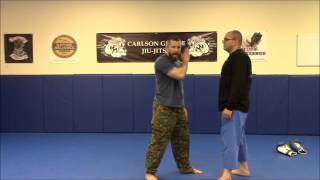
Defensive Tactics - Body Lock Clinch
Valhalla Academy
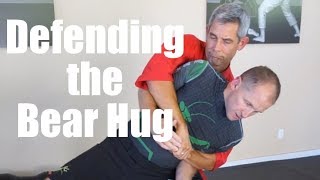
Police Self Defense Tip of the Week. Front Bear Hug Over Your Arms
Trillo Jiujitsu Academy
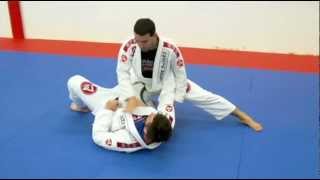
Bear Hug Under the Arms Defense
Gracie Barra Twin Cities
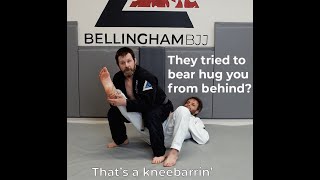
Rear Bear Hug Defense (Under the Arms)
Bellingham BJJ
Defending against the Bear Hug- PASS vs FAIL Tips
Randy Brown