The Under-Arms Bear Hug Threat
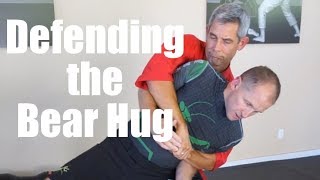
When an attacker secures a rear bear hug with their arms positioned under the defender's arms, they gain superior control of the hips and create a severe threat. The primary danger is that the attacker can lift and spike the defender headfirst onto the mat, resulting in catastrophic injury. Consistent drilling of defensive responses is essential to counter this scenario.
Quad Pod Defense
The first defensive response is to immediately quad pod by placing both hands on the mat and driving weight forward. This positioning makes it significantly more difficult for the attacker to generate sufficient lift, and even if they succeed, the resulting slam is substantially less forceful than if the defender remained upright.
Leg Hook Defense
If the defender cannot quad pod in time, the alternative response is to hook one of the attacker's legs with an outside leg hook as they are lifted. This prevents the catastrophic impact of a controlled slam by forcing the attacker to manage the defender's leg positioning during the descent.
Landing Position and Knee Bar Setup
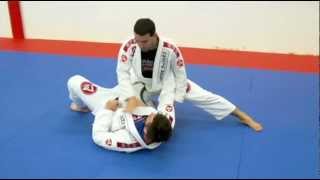
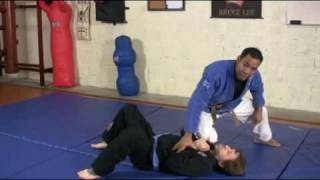
As the attacker goes down with the hooked leg, the defender lands in a strategic position with both legs between the attacker's legs. The defender then cups the attacker's heel with one hand while maintaining hip contact, establishing the foundation for a knee bar submission.
Knee Bar Mechanics
Rather than pulling with the arms, the defender drives their hips forward while cupping the heel to hyperextend the knee joint. The defender positions their ear on top of the attacker's toes and extends their legs outward while hooking the attacker's hips to generate full-body pressure.
Preventing Escape and Controlling Toe Position
By placing their ear on the attacker's toes, the defender prevents the attacker from rotating their toes to the ceiling, which would otherwise allow an escape from the straight knee bar. This positioning also causes pain if the attacker attempts to rotate, making the escape option less viable.
Meniscus Compression Variation
For flexible opponents who resist the standard knee bar, the defender can attack the meniscus by pushing down on the heel like a button while driving the hips forward minimally. This compression lock variation is significantly more effective and requires only centimeter-level hip movement to complete.
Self-Defense Priority Hierarchy
The defensive strategy follows a clear priority order: prevent the attacker from getting behind, prevent grip establishment, prevent the lift, hook and knock down if lifted, and only then apply the knee bar submission. This hierarchy emphasizes survival and escape over engagement whenever possible.
Rear Bear Hug Defense (Under the Arms)
Key Takeaways
- •The Under-Arms Bear Hug Threat
- •Quad Pod Defense
- •Leg Hook Defense
- •Landing Position and Knee Bar Setup
If someone tries to bear hug you, we have to ensure we don't get lifted. After we stabilize position, we can counterattack with a kneebar.
Related Techniques
Frequently Asked Questions
What does this video teach about under-arms bear hug?
This video covers the under-arms bear hug threat, quad pod defense, leg hook defense. It provides detailed instruction from Bellingham BJJ.
How long does it take to learn under-arms bear hug?
The basic mechanics can be understood in a single session, but developing reliable execution requires consistent drilling over weeks of practice. This 8-part breakdown helps structure your training by isolating each phase of the technique.
What are the key details for finishing under-arms bear hug?
For flexible opponents who resist the standard knee bar, the defender can attack the meniscus by pushing down on the heel like a button while driving the hips forward minimally. This compression lock variation is significantly more effective and requires only centimeter-level hip movement to complete.