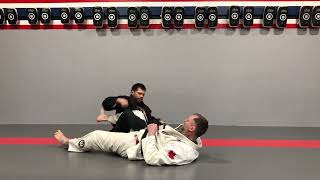
Introduction to the Polish Wormrider
The Polish Wormrider is a powerful lapel guard position that allows the practitioner to entangle, control, and confuse the opponent. From this position, the guard player can execute sweeps, submissions, or back takes with multiple entry and attack options.
Initial Setup and Lapel Lasso Entry
Begin with both hands controlling the opponent's lapel while placing the feet on their shoulders. Weave one foot through to the opponent's ribcage, driving it deep to prevent them from pushing it out. Execute a hip switch and transfer the lapel grip from one hand to the other.
The Controlled Inversion and Leg Hook
Perform a subtle inversion—not a complete upside-down position—to encourage the opponent to apply pressure downward. Thread the free arm through the opponent's legs and pull their leg close to the body. Pass the grip to the hip area rather than the knee for a more secure lock.
Primary Sweep: The Knee Shelf and Hip Hook
Clear the knee over the opponent's knee in a shelving position, then snake the leg through to hook the far hip while gripping the pants. Use the combination of leg control and upper body grip to lift and roll the opponent over the far shoulder.
Secondary Attack: Leg Penetration and Crab Ride
Use the elbow to pull and straighten the opponent's leg, creating space for the body. Progress through the opponent's legs by advancing to the knee, then the elbow, and finally execute a technical lift or sweep.
Arm Entrapment and Armbar Options
When the opponent's arm extends straight, typically when gripping the pants, transition into armbar attacks. If the opponent pressurizes downward, accept and redirect that pressure to execute a sweep.
Entry from Standing Position
Use a feint toward the collar to lift the opponent's hands, then drop low to secure both lapel grips. Pull the opponent onto the body to break their balance, then weave the leg to the far hip and execute the same hip switch and grip transfer.
Back Take and Finishing Sequences
Execute back takes by shelving the leg and transitioning behind the opponent, or penetrate through the legs to control the back position. Alternatively, attack the arm with leg crosses, knee pinches, and hip pressure, or use the position as a pendulum sweep when the opponent applies heavy downward pressure.
Key Principles and Practice
The position becomes progressively easier with consistent practice and drilling. The primary principle is establishing control through off-balance positioning before executing any sweep or submission, making the position difficult for opponents to defend once mastered.
Learn this Guard! The Polish Worm Rider
Key Takeaways
- •Introduction to the Polish Wormrider
- •Initial Setup and Lapel Lasso Entry
- •The Controlled Inversion and Leg Hook
- •Primary Sweep: The Knee Shelf and Hip Hook
Part of the Lapel Guard / Worm Guard system. Great position to attack from. https://youtu.be/AdFKCkVs80s
Frequently Asked Questions
What does this video teach about lapel worm guard?
This video covers introduction to the polish wormrider, initial setup and lapel lasso entry, the controlled inversion and leg hook. It provides detailed instruction from Rollin with Bowlin Jiu Jitsu.
How long does it take to learn lapel worm guard?
The basic mechanics can be understood in a single session, but developing reliable execution requires consistent drilling over weeks of practice. This 9-part breakdown helps structure your training by isolating each phase of the technique.
What are the key details for finishing lapel worm guard?
Execute back takes by shelving the leg and transitioning behind the opponent, or penetrate through the legs to control the back position. Alternatively, attack the arm with leg crosses, knee pinches, and hip pressure, or use the position as a pendulum sweep when the opponent applies heavy downward pressure.