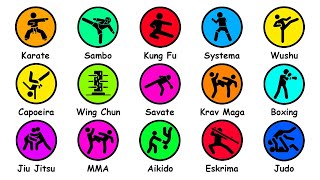
Boxing: Foundational Striking and Defense
Boxing evolved from ancient Greek bare-knuckle combat into a systematized sport in 18th-century England, emphasizing efficient punching with strict rules and weight classes. The art centers on hand speed, accuracy, and defensive mechanics including head movement, footwork, and blocking. In street confrontations, boxing's focus on timing and reaction prepares practitioners for the initial chaotic moments when most altercations are decided within seconds.
Muay Thai: The Art of Eight Limbs
Originating as Thai battlefield combat, Muay Thai systematizes strikes using fists, elbows, knees, and shins to maximize damage across distances. Signature techniques include powerful roundhouse kicks generated through full body rotation and clinch control for close-range dominance. The clinch position allows practitioners to control opponent posture and deliver short, brutal strikes with elbows and knees, particularly effective when space is limited.
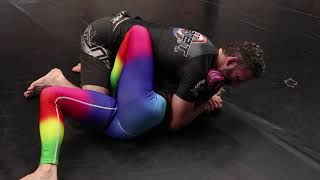
Brazilian Jiu-Jitsu: Leverage and Ground Control
Brazilian Jiu-Jitsu evolved from Japanese jujutsu through the Gracie family's emphasis on leverage and positioning to overcome strength and size differences. The system specializes in controlling opponents through takedowns, positional holds, and submissions including chokes and joint locks. This approach is particularly practical in street scenarios where fights frequently transition to the ground, where smaller practitioners can control larger opponents through technical proficiency rather than athletic advantage.
Krav Maga: Military-Developed Threat Neutralization
Developed by Israeli military forces, Krav Maga prioritizes real-world survival in high-stress, unpredictable scenarios without sport rules or formal competition. Training emphasizes targeting vulnerable areas including eyes, groin, and throat, with integrated defenses against armed attackers and multiple opponents. The system prioritizes speed, aggression, and simple reflexive techniques functional under adrenaline surge rather than perfect form execution.
Wrestling: Takedown Dominance and Top Control
Wrestling, practiced across millennia and formalized in modern athletic competition, focuses on takedowns, clinch control, and positional dominance. A wrestler's ability to control fight location—whether standing or grounded—provides tactical advantage in street altercations, where concrete impact alone can terminate confrontations. Superior conditioning and escape proficiency further ensure wrestlers maintain composure and energy reserves during extended physical altercations.
Judo: Throwing and Efficient Off-Balancing
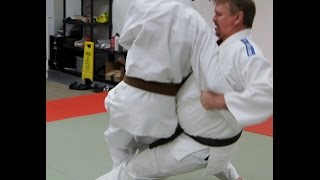
Developed in late 19th-century Japan by Jigoro Kano from traditional jujutsu, Judo emphasizes redirecting opponent force through efficient body mechanics rather than direct power application. Key techniques include hip throws, sweeps, and trips executed through proper timing and grip fighting, converting an opponent's own momentum against them. A single well-executed throw onto hard surfaces can decisively conclude altercations, and Judo's technical approach minimizes visible injury.
Sambo: Soviet Combat Integration
Developed during the 1920s Soviet period, Sambo synthesized judo, wrestling, and indigenous fighting systems into a unified hand-to-hand combat methodology adopted by the Red Army. The system was specifically engineered for practical field application under pressure conditions rather than theoretical models. Sambo's integration of multiple combat disciplines provided military personnel with comprehensive grappling and throwing capabilities suited to real-world operational scenarios.
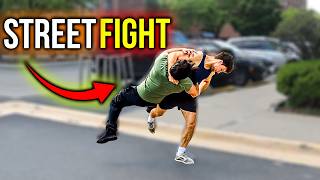
Every Martial Art That WORKS In A Street Fight
Key Takeaways
- •Boxing: Foundational Striking and Defense
- •Muay Thai: The Art of Eight Limbs
- •Brazilian Jiu-Jitsu: Leverage and Ground Control
- •Krav Maga: Military-Developed Threat Neutralization
Every Martial Art That ACTUALLY Works In The Street Explained In 8 Minutes. Subscribe and activate the bell if you enjoyed :) 0:00 – Boxing 0:52 – Muay Thai 2:01 – Jiu Jitsu 3:12 – Krav Maga 4:06 – Wrestling 4:51 – Judo 5:50 – Sambo 6:53 – I See Red
Frequently Asked Questions
What does this video teach about art-specific throw?
This video covers boxing: foundational striking and defense, muay thai: the art of eight limbs, brazilian jiu-jitsu: leverage and ground control. It provides detailed instruction from MMA Unpacked.
How long does it take to learn art-specific throw?
The basic mechanics can be understood in a single session, but developing reliable execution requires consistent drilling over weeks of practice. This 7-part breakdown helps structure your training by isolating each phase of the technique.
What are the key details for finishing art-specific throw?
Developed in late 19th-century Japan by Jigoro Kano from traditional jujutsu, Judo emphasizes redirecting opponent force through efficient body mechanics rather than direct power application. Key techniques include hip throws, sweeps, and trips executed through proper timing and grip fighting, converting an opponent's own momentum against them. A single well-executed throw onto hard surfaces can decisively conclude altercations, and Judo's technical approach minimizes visible injury.