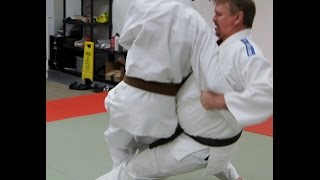
Dunrow Dummy Specifications
The Dunrow training dummy is a German-manufactured uni-body model weighing 12 kg, suitable for both older children and adults. Its lighter weight enables faster execution of techniques, particularly foot sweeps and footwork. The dummy can be dressed in a judogi to replicate training conditions with a live partner more closely.
Seoi Nage Variations
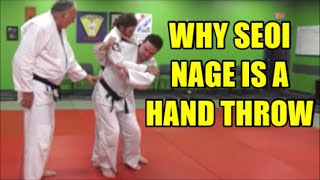
Seoi nage (shoulder throw) can be executed in multiple forms on the dummy. Morote seoi nage requires significant height adjustment due to the dummy's smaller stature, while drop seoi nage necessitates angle modification since the dummy lacks split legs. Ippon seoi nage proves easier to perform regardless of height differential, allowing practitioners to maintain grip on the sleeve or lapel throughout the technique.
Seoi Otoshi Mechanics
Seoi otoshi differs from seoi nage in that the thrower does not pop back upright but rather allows the opponent to fall over them while maintaining forward momentum. This dropping action, executed without the restorative vertical component, represents a distinct mechanical variation in shoulder throw execution.
Tai Otoshi Drilling
Tai otoshi (body drop) proves efficient for repetitive drilling on the dummy because the thrower can maintain hand grip and stand upright after each throw without extensive repositioning. The technique's accessibility makes it practical for solo training sessions, even though practitioners may favor other throws for competitive application.
Kata Guruma Adaptations
Traditional kata guruma, which involves gripping between the opponent's legs, requires modification when training with a uni-body dummy lacking separated legs. Modern variations using cross-grip placement on the shoulders prove more practical, allowing the thrower to drive from hip height and rotate without attempting to separate non-existent leg sections. Same-side grip variations and buko otoshi entries provide additional technical options.
Dummy throwing drills for judo: Te-waza (hand techniques part 1 of 2)
Key Takeaways
- •Dunrow Dummy Specifications
- •Seoi Nage Variations
- •Seoi Otoshi Mechanics
- •Tai Otoshi Drilling
How to drill with a dummy for the following techniques in tewaza: seio nage, ippon seio nage, seio otoshi, tai otoshi and kata guruma
Related Techniques
Frequently Asked Questions
What does this video teach about hand technique throw — te waza?
This video covers dunrow dummy specifications, seoi nage variations, seoi otoshi mechanics. It provides detailed instruction from Judo Link by Lincoln Han.
How long does it take to learn hand technique throw — te waza?
The basic mechanics can be understood in a single session, but developing reliable execution requires consistent drilling over weeks of practice. This 5-part breakdown helps structure your training by isolating each phase of the technique.
What are the key details for finishing hand technique throw — te waza?
Tai otoshi (body drop) proves efficient for repetitive drilling on the dummy because the thrower can maintain hand grip and stand upright after each throw without extensive repositioning. The technique's accessibility makes it practical for solo training sessions, even though practitioners may favor other throws for competitive application.