Neglected Clinch Work in Boxing
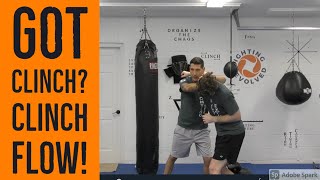
Many boxers avoid practicing clinch positions due to physical discomfort and awkwardness, despite these positions occurring frequently in actual bouts. The instructors emphasize that dedicated clinch training is essential for ring proficiency, even though it feels unnatural initially.
Inside Arm Positioning
The primary objective in clinch work is to establish inside arm position before the opponent does. With arms on the outside, strikes lack rotational power and effectiveness, whereas inside positioning enables controlled offensive output.
Punching Power from the Clinch
Effective punching in the clinch requires rotational movement from the core and hips, not arm strength alone. Practitioners must maintain trunk tension to absorb opponent strikes while generating power through proper body mechanics.
Abdominal Conditioning for Clinch Defense
Athletes can condition their abdominal muscles to remain tight without creating overall body tension, which causes fatigue. This selective muscle engagement protects against body shots while conserving energy during clinch exchanges.
Angle Changes and Leg Mechanics
When clinched against the ropes, fighters should push from their legs rather than their arms to maintain position and stability. Relying on leg strength allows for controlled movement and prevents opponents from exploiting overextended arms.
Preventing Arm Exposure
Keeping hands tight near the body during clinch work prevents opponents from creating separation and landing clean strikes. Once hands extend away from the torso, the clincher becomes vulnerable to immediate offensive counters.
Offensive Control Through Gap Creation
Advanced clinch strategy involves creating deliberate openings to manipulate opponent responses and establish positional control. By striking specific targets to provoke defensive reactions, practitioners can establish the range and angles they need to dictate the exchange.
How to Clinch in boxing.. Is this correct?
Key Takeaways
- •Neglected Clinch Work in Boxing
- •Inside Arm Positioning
- •Punching Power from the Clinch
- •Abdominal Conditioning for Clinch Defense
My name is Tony Jeffries, Olympic Bronze medallist now co-owner of Box 'N Burn, 2 boxing fitness gyms in Los Angeles, as well as the Box 'N Burn Academy...this is our education program where we teach trainers how to teach boxers (Link below). Something that most people do not do or feel uncomfortable doing is clinching in boxing. While you are clinching, keep your arms on the inside and push while your hands are tight. With your arms in the inside, you are able to punch. It is uncomfortable but its really good at boxing. Always keep your arms inside and tight to allow yourself some movement while boxing. Click here for new my new boxing program for boxer's coming later in 2018 https://www.tonyjeffries.com/programs Follow me on Social https://www.instagram.com/tony_jeffries/ https://www.facebook.com/olympian.tony https://www.twitter.com/tony_jeffries https://www.boxnburnacademy.com | Boxing certification course https://www.boxnburn.com | GYM https://www.tonyjeffries.com | Personal Site Listen to my Podcast iTunes - https://goo.gl/tdpkBD Soundcloud - https://goo.gl/JjZcuK Tony Jeffries from Sunderland in North East England. From the age of 10, Tony boxed at the highest level amateur and professional for 17 years, representing his country of England, around the world in 55 of my 106 fights. He is very honored and proud to have been team captain for England on many occasions and even for Great Britain a couple of times. The highlight of Tony's career came in 2008 when he joined the very exclusive “Olympian” club. After beating the Belarusian, Dutch, Hungarian champions and the USA team captain Christopher Downs in his backyard in the World Championships, Tony qualified for the Beijing Olympic Games. I came home with a bronze medal after years of training solid. It was the happiest time of my life! Tony turned pro after the Games having ten pro fights with nine wins, 5 KO's one draw and 0 loses For the last three professional fights—from the end of 2010 and all of 2011—He trained in Los Angeles with world-renowned boxing trainer Tommy Brookes—for me, the best in the world! At the end of 2011, Tony had surgery on both of his hands because of a hole and a tear in my knuckles. He tried all sorts of treatment to fix them, but the hands never fully recovered, and he had to retire from competing. He was devastated that he couldn’t box competitively anymore, but the end of Tony's fighting career was the start of a new chapter in the then 27 year old's life. Now living in LA since January 2012; with the wife they both fell in love with this city straight away, so we decided to apply their green cards and move here. They loving life in Santa Monica, Tony has set up two dream gyms —Box ’N Burn in Santa Monica and Brentwood—with the top trainer and businessman Kevan Watson. They’ve trained everyone from kids and total beginners to celebrities like Skylar Grey; also worked with the likes of UFC superstar Conor McGregor and legendary boxer Sugar Ray Leonard. Tony is a fully qualified advanced personal trainer and being in gyms all his life like Kevan and they made sure Box ’N Burn has all the best things from all those other gyms with none of the bad things. Tony host's the Box ’N Life podcast, with Glenn “Six Figure” Holmes, trainer to the stars. They discuss anything and everything about boxing and life and have a good laugh doing it. They’ve also had great guests, including self-made billionaire Dan Pena, WBC cruiserweight champ and “Creed” star Tony Bellew and top Hollywood film producer Jason Clark. Tony Jeffries Co-Owner & Founder | Box 'N Burn | California's #1 Gym
Related Techniques
Frequently Asked Questions
What does this video teach about grip fighting clinch?
This video covers neglected clinch work in boxing, inside arm positioning, punching power from the clinch. It provides detailed instruction from Tony Jeffries.
How long does it take to learn grip fighting clinch?
The basic mechanics can be understood in a single session, but developing reliable execution requires consistent drilling over weeks of practice. This 7-part breakdown helps structure your training by isolating each phase of the technique.
What are the key details for finishing grip fighting clinch?
Keeping hands tight near the body during clinch work prevents opponents from creating separation and landing clean strikes. Once hands extend away from the torso, the clincher becomes vulnerable to immediate offensive counters.