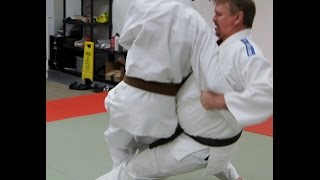
Introduction and Teaching Philosophy
Rokas Leo introduces his approach to teaching Aikido by prioritizing accessibility and clarity over complex detail. He emphasizes removing frustration points that cause beginners to lose interest, particularly when techniques are presented with overwhelming simultaneous requirements for feet, hands, body position, and partner dynamics.
Simplified Kurigashi (Turning Throw)
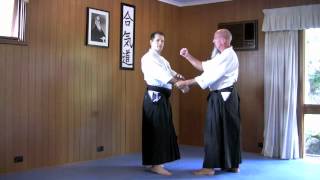
The simplified Kurigashi begins with two practitioners standing side by side with arms parallel. The executing partner places one arm over the opponent's arm to control the hand, while the other hand mirrors and reflects the opponent's hand like nested spoons, then creates space and guides the direction of the fall through finger placement.
Sankyo from Handshake Position
Sankyo is introduced through a two-handed handshake entry that requires no prior stance knowledge. The executing partner secures both hands, moves underneath the opponent's elbow while lifting it upward, then slowly rotates the wrist as if returning it to the opponent, using hip rotation if available but maintaining the essential wrist-turning principle.
Nikio Pressure Point Application
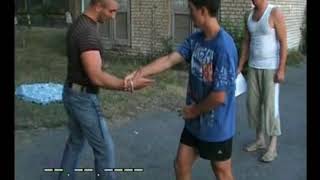
Nikio demonstrates how precise pressure applied at the correct anatomical point can produce significant effect without strength. From a grabbed arm position, the executing partner circles their free hand around the opponent's back to control the opponent's hand at an angle, then rotates it toward the opponent like turning a motorcycle throttle, creating wrist pressure that drops the opponent.
Core Aikido Principles Across Techniques
The three techniques collectively illustrate that Aikido effectiveness comes from balance disruption, proper hand positioning, controlled space management, and precise pressure points rather than muscular force. Leo emphasizes that these simplified versions serve as accessible entry points while allowing room for deeper technical refinement in future instruction.
[Aikido Techniques] Simple Aikido Techniques
Key Takeaways
- •Introduction and Teaching Philosophy
- •Simplified Kurigashi (Turning Throw)
- •Sankyo from Handshake Position
- •Nikio Pressure Point Application
Click here to see Easy Koshi Nage ►► http://bit.ly/1sjyzEc Click here to subscribe ►► http://bit.ly/1KPZpv0 We release new, unique Martial Arts videos every week! Many Aikido techniques are quite confusing and difficult to master, let alone - introduce to someone else. These are three different Aikido techniques in a simple manner, that can be introduced to anyone in 8 minutes to know how Aikido techniques look and feel. What other techniques you would like us to cover? Let us know in the comments. Other Aikido Technical Tutorials: Tai No Henko ► http://bit.ly/1NS4SmK Aikido Jo Suburi Tutorial ► http://bit.ly/1WpyiIp 7 Bokken Suburi Tutorial ► http://bit.ly/1pYIDBp Brief History Videos: Aikido Lost Popularity ► http://bit.ly/1QZMWWA Steven Seagal's Negative Influence ►http://bit.ly/1OvQs6y Greatest Martial Artists ►http://bit.ly/1UVuON1 Editing: Danguole Garškaitė Instructor: RokasLeo Uke: Egidijus Martišauskis Camera: Eduardas Girjotas Dodzo is a full time Dojo focusing on self-development through Aikido and Yoga. The Dojo is run by Sensei Rokas Leonavicius.
Related Techniques
Frequently Asked Questions
What does this video teach about aikido throw?
This video covers introduction and teaching philosophy, simplified kurigashi (turning throw), sankyo from handshake position. It provides detailed instruction from USDC by Rokas Leo.
How long does it take to learn aikido throw?
The basic mechanics can be understood in a single session, but developing reliable execution requires consistent drilling over weeks of practice. This 5-part breakdown helps structure your training by isolating each phase of the technique.
What are the key details for finishing aikido throw?
Nikio demonstrates how precise pressure applied at the correct anatomical point can produce significant effect without strength. From a grabbed arm position, the executing partner circles their free hand around the opponent's back to control the opponent's hand at an angle, then rotates it toward the opponent like turning a motorcycle throttle, creating wrist pressure that drops the opponent.