Arm Control Clinch Overview
The arm control clinch is presented as one of the strongest clinch techniques available to amateur Muay Thai fighters and kickboxers. The instruction covers the lock mechanics, explains its effectiveness, and demonstrates two primary follow-up attacks.
Underhook Entry and Positioning
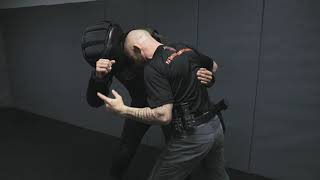
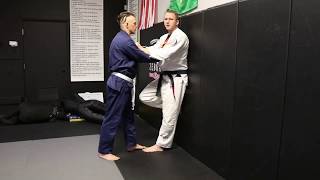
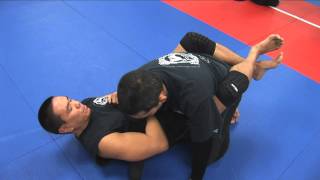
The technique begins when the opponent's arm extends away from the body, creating a gap at the armpit. The attacking fighter secures an underhook by looping their arm under the opponent's armpit, then steps behind and pivots to roll the arm over the opponent's shoulder.
The Locking Mechanism
The pivot and stepping motion is critical to the technique's effectiveness. By stepping behind and pivoting around the opponent's side, the attacking fighter gains leverage to push the opponent's shoulder downward, breaking their posture and establishing the lock.
Why the Technique is Effective
The arm control clinch requires only a single underhook, making it significantly easier to execute than techniques requiring both hands on the neck or multiple hooks. Amateur fighters frequently extend their arms too far in the clinch, making underhook positions readily available, and the technique enables devastating follow-up attacks.
Follow-Up: Knee Strikes to the Head
Once the opponent's posture is broken, the attacking fighter can drive the knee to the opponent's face repeatedly. The free hand should be placed on the back of the opponent's head to maintain control and direct the head into the strike for maximum effect.
Follow-Up: Elbow Strike Alternative
When the attacking fighter fails to step behind properly and cannot break the opponent's posture, an elbow strike becomes the second option. The fighter must partially release the underhook lock while stepping around with the far leg to generate power and land the elbow strike cleanly.
Elbow Execution and Lock Retention
The fighter should deliver a sharp, controlled elbow strike rather than fully releasing the underhook, maintaining the lock position to enable immediate re-engagement if the opponent is not knocked out. This approach preserves pressure and control while maximizing striking power through proper stepping mechanics.
Clinch Arm-Lock Technique Explained
Key Takeaways
- •Arm Control Clinch Overview
- •Underhook Entry and Positioning
- •The Locking Mechanism
- •Why the Technique is Effective
In this video I analyse what I believe to be the most effective time-reward clinch technique from a muay thai perspective, although it can be used under K1 kickboxing rules as well. This video has three parts, with each becoming increasingly more important. First I show the basic technique, which no doubt many people will be familiar with as it is quite popular. Next, I justify why I believe the clinch lock is so effective at amatuer level and should be learned. Finally, I show two extremely powerful knee and elbow followups that you can incorporate into the position, which wil llead to many TKO victories if applied well. If you enjoy this video, have an idea for the next striking breakdown/analysis, or want to discuss/debate a point, please leave a message below. I'm always interested to hear other opinions.
Related Techniques
Frequently Asked Questions
What does this video teach about arm control clinch?
This video covers arm control clinch overview, underhook entry and positioning, the locking mechanism. It provides detailed instruction from Ayodub.
How long does it take to learn arm control clinch?
The basic mechanics can be understood in a single session, but developing reliable execution requires consistent drilling over weeks of practice. This 7-part breakdown helps structure your training by isolating each phase of the technique.
What are the key details for finishing arm control clinch?
When the attacking fighter fails to step behind properly and cannot break the opponent's posture, an elbow strike becomes the second option. The fighter must partially release the underhook lock while stepping around with the far leg to generate power and land the elbow strike cleanly.