Phases of Physical Altercation
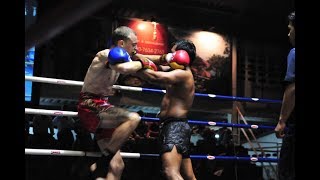
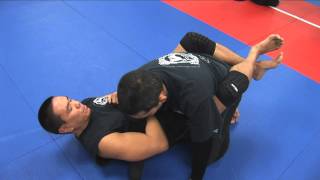
Physical altercations progress through distinct phases: the standing strike-distance phase, followed by the clinch phase where combatants may transition to ground fighting or execute standing strikes. Understanding these phases allows practitioners to identify and address threats at each stage.
Arm Drag Defense Against Reaching Attacks
When an attacker reaches to grab a weapon or equipment, the arm drag technique intercepts the grabbing limb before contact is established. The defender breaks the attacker's momentum by addressing the arm as the reach is initiated, rather than responding after the grip is secured.
Arm Drag Mechanics and Positioning
The defender maintains a high hand position near the chin while ducking slightly to avoid follow-up strikes. The defender grasps the attacker's arm at the tricep-deltoid junction and pulls the attacker's body at a 45-degree angle while stepping, effectively redirecting the attacker off-line.
Transitioning to the 50/50 Position
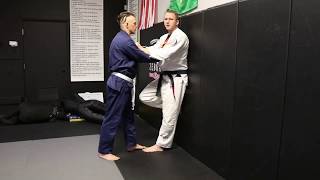
If the attacker steps in during the arm drag attempt, both combatants may establish mutual underhooks, creating a neutral 50/50 clinch position. The defender nullifies the attacker's underhook advantage by establishing their own underhook on the opposite side.
Head Placement in the Clinch
Proper head placement against the attacker's neck provides pressure and balance while allowing the defender to monitor and control the attacker's hands. This positioning is critical in self-defense contexts where the attacker may attempt to access concealed weapons.
Weapon Threat Management from Clinch
From the 50/50 position with proper head placement, the defender can detect and address threats if the attacker attempts to reach for a weapon. The defender's inside head position and grip control enable them to secure the threatening hand while maintaining dominant positioning.
Striking Integration in Arm Drag Sequences
Combative strikes to high and low targets can be applied throughout the arm drag and clinch transitions to soften the attacker and create tactical openings. These strikes may include elbows, hammer fists, and palm strikes delivered while controlling the clinch distance.
Decision Points and Disengagement
After executing the arm drag, the defender has multiple options: applying strikes, taking the attacker down, or disengaging entirely. If the arm drag is successful and no grab is established, disengagement becomes a viable exit strategy.
CLINCH from arm drag
Key Takeaways
- •Phases of Physical Altercation
- •Arm Drag Defense Against Reaching Attacks
- •Arm Drag Mechanics and Positioning
- •Transitioning to the 50/50 Position
Lot's of options with good head placement and an established undertook. This video is meant to address the head placement specifically. Being proactive in relation to spotting if the aggressor is; A. armed, and B. making motion to deploy the weapon. And if so, responding to it as quickly as possible is crucial. Hope this helps. Lots more details and options with the Direct Action Combat Performance operating system. It's meant to be direct and actionable under stress and uncertainty. Train hard, keep fit and always stay in the fight. https://directactions.ca/ https://www.facebook.com/DirectActions https://www.instagram.com/direct_action_combat/
Related Techniques
Frequently Asked Questions
What does this video teach about arm control clinch?
This video covers phases of physical altercation, arm drag defense against reaching attacks, arm drag mechanics and positioning. It provides detailed instruction from Direct Action Combat Performance.
How long does it take to learn arm control clinch?
The basic mechanics can be understood in a single session, but developing reliable execution requires consistent drilling over weeks of practice. This 8-part breakdown helps structure your training by isolating each phase of the technique.
What are the key details for finishing arm control clinch?
Combative strikes to high and low targets can be applied throughout the arm drag and clinch transitions to soften the attacker and create tactical openings. These strikes may include elbows, hammer fists, and palm strikes delivered while controlling the clinch distance.