Introduction to Clinch-Based Takedowns
The instructor introduces a systematic approach to takedowns suitable for real-world altercations, emphasizing techniques that minimize injury risk to the practitioner. Rather than wrestling shots or sacrifice throws that compromise position, the focus is on takedowns preceded by proper clinch positioning and controlled energy manipulation.
Clinch Structure and Position Categories
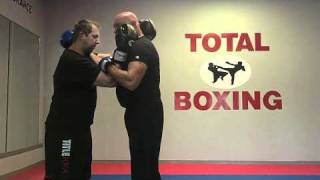
Three primary clinch positions are identified: front clinch, side clinch, and rear clinch. In the front clinch, proper positioning places the aggressor's hips adjacent to the opponent's hips, with feet forming a triangular or pyramid structure that can be manipulated for effective takedowns.
Hip Throw from Front Clinch
The hip throw is presented as a straightforward technique applicable when the opponent's energy can be directed forward. The mechanics involve establishing an over-hook and under-hook position, off-balancing the opponent forward, stepping inside with lowered hips, placing the tailbone on the opponent's leg, and executing the throw by stepping forward while maintaining arm control across the opponent's back.
Small Outside Trip Variation
When forward energy cannot be established, a small outside trip serves as an alternative from the front clinch position. The technique involves drawing both feet inside next to the opponent's foot in an Achilles-to-Achilles alignment, scooping upward, and pulling the opponent backward while drawing the hips into the leg to control the landing.
Side Clinch to Rear Takedown
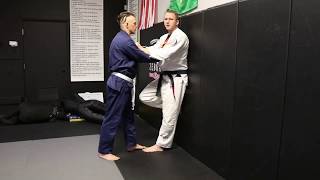
From the side clinch position, the technique focuses on controlling the opponent's far arm using a double-wrist lock configuration, often called a crowbar or far-side two-on-one. The takedown executes by ducking out, maintaining contact with the opponent's back, running the opponent forward until they lean in, then pulling the arm into the hip and buckling to complete the takedown.
Post-Takedown Control Position
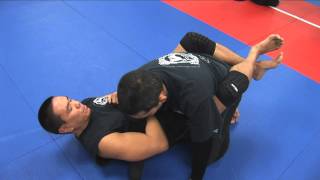
Following the side clinch takedown, the practitioner lands in a controlling position where the opponent has limited offensive options. If the opponent attempts a headlock, the practitioner's weight remains positioned to defend while potentially stacking the opponent's leg open for striking combinations or position advancement.
Key Principles Across All Clinch Takedowns
Common elements across all three clinch variations include proper off-balancing before executing the takedown, maintaining controlled hip positioning lower than the opponent's, and landing in positions that minimize practitioner damage while establishing control. These principles allow effective takedowns regardless of clinch type or opponent size advantage.
Clinch & Takedown Fundamental Principles
Key Takeaways
- •Introduction to Clinch-Based Takedowns
- •Clinch Structure and Position Categories
- •Hip Throw from Front Clinch
- •Small Outside Trip Variation
The clinch range is such a significant area of the fight, that understanding how to effectively navigate the entry and recognize the energy once there can determine the outcome. Understanding the principles of balance and posture, omg with how to manipulate these principles to your advantage, is a crucial component to the grappling game. In this video, I discuss clinch types and some of the most important concepts to consider once there for effective control and takedowns. Filmed on location at Fit to Fight®️ in Gastonia, NC, I’m proud to represent the Fit to Fight®️ Republic. Be sure to follow them on Facebook and Instagram. • Please like, subscribe and share! ----------------------------------------------------------------------------------------------------------- I'm now on Rokfin! Get access to premium content of mine and get access to everyone else's content when you join. Check it out! https://rokfin.com/knightjiujitsu ----------------------------------------------------------------------------------------------------------- Thanks for watching! • If you haven’t checked out my Jiu-Jitsu Deep Dive yet, go to www.martialartsdigitalseminars.com/Jiu-Jitsu-Deep-Dive to get it. • Please support my content creation and get lots of extra content at Patreon.com/KnightJiuJitsu • Follow me on Instagram @knight_jiu_jitsu_ • Multiple titles of mine available at BJJ Fanatics here: https://bjjfanatics.com/search?q=eli+... • Knight Jiu-Jitsu T-Shirts available here: https://tinyurl.com/wzu6ufb • Knight Jiu-Jitsu on Instagram @knight_jiu_jitsu_ • Follow me on DTube: https://d.tube/#!/c/knightbjj • Follow me on Steemit: https://steempeak.com/@knightbjj
Related Techniques
Frequently Asked Questions
What does this video teach about fundamental clinch?
This video covers introduction to clinch-based takedowns, clinch structure and position categories, hip throw from front clinch. It provides detailed instruction from Knight Jiu-Jitsu.
How long does it take to learn fundamental clinch?
The basic mechanics can be understood in a single session, but developing reliable execution requires consistent drilling over weeks of practice. This 7-part breakdown helps structure your training by isolating each phase of the technique.
What are the key details for finishing fundamental clinch?
Following the side clinch takedown, the practitioner lands in a controlling position where the opponent has limited offensive options. If the opponent attempts a headlock, the practitioner's weight remains positioned to defend while potentially stacking the opponent's leg open for striking combinations or position advancement.