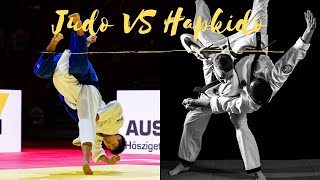
Foundational Principles of Judo Throws
All effective judo throws operate on two fundamental principles: disrupting the opponent's balance and lifting their body weight. To execute these principles, the practitioner must position themselves beneath the opponent in a specific structural alignment known as the "boot." Understanding this foundation is essential before learning individual throwing techniques.
Footwork and Positional Entry
The practitioner must match the opponent's foot position while maintaining an inside stance, positioning themselves at the opponent's angle of weakness—90 degrees perpendicular to the line between their feet. This alignment exploits the structural instability of the opponent's stance. The entry can be executed via cross-pivot or circular step-around, both requiring precise foot placement relative to the opponent's base.
Hip Throw Mechanics
The hip throw begins with stealing the opponent's balance point by driving the hips forward while simultaneously lifting. As the opponent becomes airborne, the practitioner brings their shoulder to the opponent's knee level, creating the rotational force for the throw. The arm remains tucked with the elbow braced throughout to maintain control during both the throw and potential follow-up techniques.
Shoulder Throw Variation
The shoulder throw follows the same balance-stealing principle as the hip throw but uses a different grip and contact point. The practitioner wraps the arm around the opponent's torso while controlling the balance point, then uses the back and shoulder to lift and rotate the opponent over. The controlled arm position remains critical for managing the opponent during the execution.
Outside Leg Hip Throw (Hane Goshi)
In this variation, the entire balance point concentrates on the opponent's outside leg. The practitioner positions themselves at the outside of this leg while setting the balance point, then executes a back-leg sweep that provides additional lift. The back stance positioning and retained arm control allow for deeper throws and controlled transitions to ground techniques.
Inside Leg Variations and Goshi Throws
When working the inside leg position, the sweep occurs at a slightly lower trajectory, rolling across the inside of the knee rather than lifting high. The practitioner penetrates deeply on the arm with fingers directed toward the opponent's knee or foot. These variations remain effective while requiring less height from the practitioner and allowing for immediate capture and arm control.
Seoi Nage (Body Drop Throw)
The body drop throw requires the practitioner to sit wide while maintaining proper ankle angle control rather than locking at the knee. The practitioner pulls the opponent over their back while using the opposite hand to straighten the opponent's leg, executing a fast, explosive motion. This throw demands strong ukemi (breakfall) training from the partner due to the jarring nature of the technique.
Controlled vs. Full-Force Execution
During practice, the practitioner maintains control by keeping the opponent close to their body, enabling safe transitions and lock applications. Full-force street application differs significantly—the practitioner does not extend the opponent upward but instead maintains proximity for immediate finishing techniques. The distinction between controlled training and realistic application determines the force and follow-up strategy employed.
Inside and Outside Reaping Throws
Reaping throws utilize blocking and gripping combinations to position the opponent before the reaping leg executes the sweep. The practitioner can employ soft blocks angled inward to facilitate entry while tapping the ribs to gauge distance. The reaping leg strikes while the upper body pulls and pushes, with the option to capture the arm or rotate around the opponent for additional control.
Advanced Reaping with Crushing Mechanics
The final reaping variation combines a block-and-grab entry with a lunging step that positions the reaping leg for maximum effect. The practitioner crushes the opponent's knee while simultaneously executing the reap, turning sideways to prevent their own leg from being pinned. This technique demonstrates the integration of upper body control with lower body reaping mechanics for comprehensive throw completion.
Shinsei Hapkido Judo Throws
Key Takeaways
- •Foundational Principles of Judo Throws
- •Footwork and Positional Entry
- •Hip Throw Mechanics
- •Shoulder Throw Variation
Shinsei Hapkido Judo Throws
Related Techniques
Frequently Asked Questions
What does this video teach about hapkido circular throw?
This video covers foundational principles of judo throws, footwork and positional entry, hip throw mechanics. It provides detailed instruction from Richard Milliken.
How long does it take to learn hapkido circular throw?
The basic mechanics can be understood in a single session, but developing reliable execution requires consistent drilling over weeks of practice. This 10-part breakdown helps structure your training by isolating each phase of the technique.
What are the key details for finishing hapkido circular throw?
Reaping throws utilize blocking and gripping combinations to position the opponent before the reaping leg executes the sweep. The practitioner can employ soft blocks angled inward to facilitate entry while tapping the ribs to gauge distance. The reaping leg strikes while the upper body pulls and pushes, with the option to capture the arm or rotate around the opponent for additional control.