Historical Origins and Complex Ancestry
Hapkido's history extends beyond the common misconception that it derives solely from Taekwondo and Aikido. The art's development is rooted in Korean-Japanese colonial history, with founder Choi Yong-sul studying Daitoryu Aiki Jujutsu under Takeda rather than Aikido proper. Hapkido's technical lineage incorporates Japanese, Korean, and Chinese martial arts traditions including judo, jujutsu, and traditional Chinese systems.
Technical Similarities with Aikido and Judo
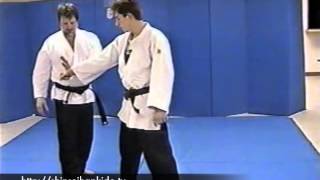
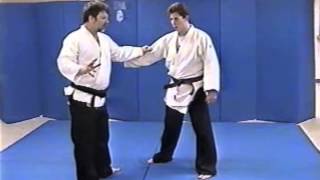
Hapkido shares numerous techniques with both aikido and judo, including Sankyo, Kottegaishi, Shihonage, Kataguma, and Ashi Katame groundwork. These overlapping techniques arise from shared Japanese martial arts ancestry rather than direct lineage from aikido. The presence of these familiar techniques contributes to common misidentification of hapkido's true origins.
Limitations of Demonstration Without Live Resistance
Demonstrations, while visually dynamic, do not accurately reflect real combat application of techniques. Randori (live sparring) is essential for practitioners to develop stress management and tactical awareness against resisting opponents. Knowing a technique theoretically differs fundamentally from successfully applying it under pressure from someone actively resisting.
Grappling and Joint Manipulation Methods
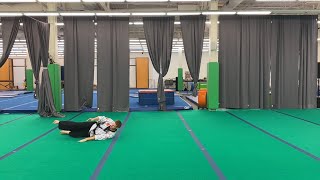
Hapkido incorporates extensive grappling techniques including wrist locks, joint manipulation, and large-scale throws similar to judo's sutemuwaza (sacrifice throws). Ground techniques such as Juji Katame (cross-body arm lock) and Ude Garami grips form significant components of the art's combat application. These grappling elements reflect hapkido's substantial judo and jujutsu heritage.
Multiple Training Methodologies
Hapkido training encompasses demonstrations, kata, self-defense drills, and combat sparring—each serving distinct pedagogical purposes. Kata and drills teach foundational techniques and dangerous applications (groin strikes, throat strikes, eye strikes) that cannot be safely practiced during full sparring. The combination of all four methodologies creates more well-rounded practitioners than any single approach.
Comparison with Other Gear-Based Martial Arts
Hapkido shares structural similarities with Kudo and Nippon Kempo, martial arts that employ protective equipment affecting throw mechanics and clinching strategies. While protective gear enables certain techniques, it simultaneously modifies how techniques are applied compared to unrestricted combat. These gear-oriented systems provide safer training environments while maintaining combat relevance.
Randori's Role in Dangerous Technique Application
Extensive randori training enables practitioners to safely execute dangerous techniques (joint locks while standing, strikes to vital areas) by developing refined control and stress management. Practitioners who have repeatedly drilled against resistance understand precisely how to apply dangerous techniques without inflicting unnecessary injury. Randori provides the experiential foundation necessary to differentiate between technical competence and reckless application.
Combat Hapkido's Evolution and Practical Focus
Combat Hapkido has developed to address practical self-defense needs by incorporating increased ground techniques and effective applications beyond traditional wrist locks and demonstrations. The evolution reflects criticism that some traditional demonstrations lack real-world applicability and resistance-tested validity. This modernization maintains hapkido's comprehensive training structure while emphasizing techniques proven effective under competitive and realistic conditions.
Judo VS Hapkido 합기도 合氣道
Key Takeaways
- •Historical Origins and Complex Ancestry
- •Technical Similarities with Aikido and Judo
- •Limitations of Demonstration Without Live Resistance
- •Grappling and Joint Manipulation Methods
Support me on Patreon: https://www.patreon.com/chadijudo Josh Simon's website/shop https://simonbjj.com/ #Judo #Hapkido #합기도 #BJJ #Sambo #Wrestling #GrandPrix #GrandSlam #Olympics #OlympicGames #MMA #UFC #Grappling #柔道 #講道館 #公益財団法人講道館 #嘉納治五郎 #高專柔道 #三角固 #бөх #講道館柔道 #Kodokan #KodokanJudo #柔術 #禁止技
Frequently Asked Questions
What does this video teach about hapkido throw?
This video covers historical origins and complex ancestry, technical similarities with aikido and judo, limitations of demonstration without live resistance. It provides detailed instruction from Chadi.
How long does it take to learn hapkido throw?
The basic mechanics can be understood in a single session, but developing reliable execution requires consistent drilling over weeks of practice. This 8-part breakdown helps structure your training by isolating each phase of the technique.
What are the key details for finishing hapkido throw?
Extensive randori training enables practitioners to safely execute dangerous techniques (joint locks while standing, strikes to vital areas) by developing refined control and stress management. Practitioners who have repeatedly drilled against resistance understand precisely how to apply dangerous techniques without inflicting unnecessary injury. Randori provides the experiential foundation necessary to differentiate between technical competence and reckless application.