Introduction: Common Front Kick Errors
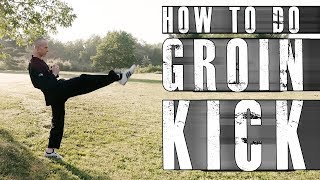
The front kick is a fundamental striking technique in martial arts, particularly effective for targeting the groin. This instructional segment addresses the four most prevalent mistakes beginners and intermediate practitioners make when executing this technique.
Mistake #1: Leaning Back Before the Kick
Backward lean before striking is the most common error among novice practitioners. This telegraphs the technique to opponents, allowing them to block or evade, and creates unnecessary distance recovery time before follow-up combinations. The only valid exception is when using backward lean as a defensive evasion while simultaneously countering with the front kick.
Mistake #2: Dropping the Guard During Execution
Practitioners frequently lower their hands when throwing the front kick, eliminating defensive coverage and creating a telegraph. This vulnerability forces practitioners to re-establish guard position before responding to counters. Proper technique maintains hand position for both protection and readiness for immediate follow-up strikes.
Mistake #3: Incorrect Distance and Footwork
Misjudging distance and over-shuffling reduces the technique's effectiveness and wastes reach potential. Proper distance control requires adjusting footwork according to opponent proximity—full shuffles only when necessary. Utilizing maximum leg extension keeps practitioners at safe distance from counters while maintaining striking power.
Distance Control Application
Maximum reach provides dual benefits: increased safety margin from opponent counters and consistent power delivery. Smaller practitioners gain particular advantage by fully extending techniques to close relative distance. Distance control remains independent of practitioner size when proper extension is maintained.
Mistake #4: Passive Leg Retraction
Allowing the leg to fall passively via gravity rather than actively retracting it significantly slows follow-up combinations and leaves practitioners vulnerable to leg grabs. Active retraction enables rapid transitions between strikes and prevents opponent capture. Both snapping and extended retraction motions should be trained for technical proficiency.
Leg Retraction for Grapple Defense
A passively falling leg presents minimal resistance to capture, whereas an actively snapped retraction makes leg grabs nearly impossible to execute. Even professional fighters are susceptible to this error, often extending through the target or allowing gravity-based leg descent. Proper snap retractions deny opponents grappling opportunities while maintaining striking continuity.
4️⃣ COMMON GROIN KICK MISTAKES - Martial Arts
Key Takeaways
- •Introduction: Common Front Kick Errors
- •Mistake #1: Leaning Back Before the Kick
- •Mistake #2: Dropping the Guard During Execution
- •Mistake #3: Incorrect Distance and Footwork
Mistakes that are often done by people when doing or training the JKD Frontkick / Groin Kick Support us: PayPal: [email protected] Consider becoming a member of this channel, for more content: https://www.youtube.com/channel/UCBROzLRaKUlC-aMpm_ClhJQ/join Support us on Patreon for more content on this channel: https://www.patreon.com/IFOjeetkunedoFrankfurt For further training check: https://www.ifo-jeetkunedo-frankfurt.de/ www.tommycarruthers.com Check out Karim Davis Films Youtube Channel: https://www.youtube.com/user/KareemDavisJr
Related Techniques
Frequently Asked Questions
What does this video teach about phantom groin kick?
This video covers introduction: common front kick errors, mistake #1: leaning back before the kick, mistake #2: dropping the guard during execution. It provides detailed instruction from Jeet Kune Do - Way Of Intercepting Method.
How long does it take to learn phantom groin kick?
The basic mechanics can be understood in a single session, but developing reliable execution requires consistent drilling over weeks of practice. This 7-part breakdown helps structure your training by isolating each phase of the technique.
What are the key details for finishing phantom groin kick?
Allowing the leg to fall passively via gravity rather than actively retracting it significantly slows follow-up combinations and leaves practitioners vulnerable to leg grabs. Active retraction enables rapid transitions between strikes and prevents opponent capture. Both snapping and extended retraction motions should be trained for technical proficiency.