Introduction to Upper Body Throws
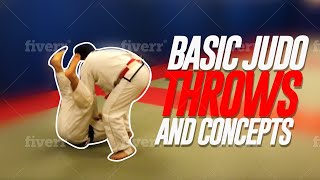
This instructional series covers three fundamental upper body throws suitable for practitioners with or without a gi. These techniques form the foundation of judo throwing mechanics and are accessible to beginners.
Koshiguruma: Setup and Off-Balancing
Koshiguruma begins with a lapel grip and sleeve grip, followed by kuzuji (off-balancing) by positioning slightly underneath the opponent and lifting them onto their toes. This throw works best when both practitioners are of equal height or when the thrower is taller; significant height disadvantages make this technique inadvisable.
Koshiguruma: Execution and Hip Placement
The thrower steps across with the right foot, reaches over to grab the armpit, then takes a backstep with the left foot while driving the hip across the opponent's body. The key to a smooth, low-effort throw is proper hip placement, allowing the opponent to balance on the hip before the final rotation and foot sweep.
Ogoshi: The Major Hip Throw
Ogoshi employs similar off-balancing principles but uses an underhook grip with the arm wrapped around the opponent's waist. The execution sequence mirrors koshiguruma: off-balance, step through, wrap around, backstep, hip placement, rotation, and foot sweep.
Ogoshi: Safety and Gi Control
Maintaining a grip on the gi sleeve throughout the throw serves dual purposes: it ensures safety for the opponent and creates an opportunity for follow-up grappling techniques. This controlled grip is essential for responsible practice and seamless transitions in randori.
Ogoshi: Opportunistic Application
When the opponent checks a foot sweep by kicking it back, both practitioners mirror each other's stance. The thrower can capitalize on this positioning by stepping through and executing ogoshi, making it an effective reactive technique during sparring.
Seoi Nagi: Setup and Shoulder Control
Seoi nagi (or ippon seoi nagi) begins with a high sleeve lift to elevate the opponent onto their toes. The thrower reaches through to grip the opponent's gi at the shoulder, then lifts upward to float the opponent while simultaneously taking a backstep.
Seoi Nagi: Lower Body Mechanics and Timing
The effectiveness of seoi nagi depends critically on the thrower's ability to drop beneath the opponent while maintaining shoulder control. Proper positioning places the opponent above and in front of the thrower, optimizing mechanical advantage for the final pull and foot sweep.
3 Easy Judo Throws for Beginners
Key Takeaways
- •Introduction to Upper Body Throws
- •Koshiguruma: Setup and Off-Balancing
- •Koshiguruma: Execution and Hip Placement
- •Ogoshi: The Major Hip Throw
Here are 3 throws I would learn right away if you’re doing a martial art in a gi. This would work great for Judo, BJJ, Sambo, DZR Jujitsu, etc. These techniques can also be done without a gi, as seen here: https://youtu.be/o9vyWn1ZBNs Warning: The advice and movements shown in this video are for informational and educational purposes only. Consult a health professional before engaging in any exercise or martial arts program.
Frequently Asked Questions
What does this video teach about standard kick catch?
This video covers introduction to upper body throws, koshiguruma: setup and off-balancing, koshiguruma: execution and hip placement. It provides detailed instruction from Skyhook Martial Arts & Fitness.
How long does it take to learn standard kick catch?
The basic mechanics can be understood in a single session, but developing reliable execution requires consistent drilling over weeks of practice. This 8-part breakdown helps structure your training by isolating each phase of the technique.
What are the key details for finishing standard kick catch?
Seoi nagi (or ippon seoi nagi) begins with a high sleeve lift to elevate the opponent onto their toes. The thrower reaches through to grip the opponent's gi at the shoulder, then lifts upward to float the opponent while simultaneously taking a backstep.