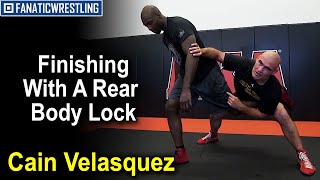
Introduction to Rear Body Lock Fundamentals
This instructional guide covers the foundational principles of the rear body lock and three essential takedown variations. The rear body lock is established by controlling an opponent's back and using that dominant position to execute takedowns. Mastering this position is critical for wrestlers, MMA athletes, and jiu-jitsu practitioners.
Five Entry Techniques to the Rear Body Lock
The instructor demonstrates five primary methods for achieving rear body lock position: the arm drag, duck under, slide by, double-leg chain, and the under-hook counter. Each entry has specific applications depending on the opponent's positioning and defensive posture. Practitioners should study these entries individually to build a complete understanding of back control transitions.
Critical Grip Placement: Hip Control Over Chest Control
One fundamental mistake is gripping too high on the opponent's chest, which allows them to step behind and execute a throw. The grip must be positioned on the hips to prevent rotation and maintain control. Practitioners can use either an S-grip or gable grip depending on arm length.
Head Pressure and Posture Breaking
Maintaining forward head pressure is essential, especially in MMA, as it protects the face from elbow strikes while breaking the opponent's posture. Combined with hip pulling, head pressure creates a cascading collapse of the opponent's base. This two-directional pressure significantly increases control difficulty and defensive vulnerability.
Asymmetrical Positioning and Elbow Placement
Positioning the elbows on the opponent's hips prevents rotational escape and creates an asymmetrical body angle. Instead of maintaining a symmetrical grip in the middle, practitioners should shift weight to one hip while lifting the opposite elbow slightly. This creates a bent configuration in the opponent's body that increases control and takedown effectiveness.
The Metric Turn Takedown: Proper Execution
The metric turn is the most commonly learned rear body lock takedown but is frequently executed incorrectly. The critical error is sitting down first before the takedown is complete, which surrenders back control and positioning advantage. Practitioners must maintain hip-to-hip contact throughout the entire movement.
Hand Release Timing in the Metric Turn
Rather than holding the grip throughout the takedown, practitioners should release their hands once gravity takes over and the tipping point is reached. Holding the hands during the fall creates unnecessary risk, as the opponent can land on top. One hand releases early to base on the mat, while the other releases once the opponent becomes airborne.
Foot Positioning and Trip Mechanics
Proper foot placement is essential for executing the metric turn safely. The lead foot blocks the opponent's leg while the rear foot steps out to prevent knee contact. The practitioner must turn slightly outward to avoid pulling the opponent onto their own knee during the takedown sequence.
Bodylock takedowns for BEGINNERS
Key Takeaways
- •Introduction to Rear Body Lock Fundamentals
- •Five Entry Techniques to the Rear Body Lock
- •Critical Grip Placement: Hip Control Over Chest Control
- •Head Pressure and Posture Breaking
Bodylock takedowns for BEGINNERS With our new gym, and bigger filming studio, we can finally get into some more takedowns for Jiu-Jitsu and MMA! Today we share some really solid takedowns from the rear body lock! Mat returns and takedowns to all sides. If you enjoy this one, be sure to subscribe because we are dropping a part 2 (with bigger throws) soon! Osú Chapters 0:00 - Start 0:11 - Backtakes overview 1:26 - Control and grips 4:06 - Mat return 1 6:33 - Variation 7:08 - Trip takedown 8:08 - Side shuffle ! Remember to put on notifications to receive an update anytime we drop a new video ! For more content, videos, solo drills and behind the scenes click on this link: https://www.patreon.com/Energia_martialarts?fan_landing=true Visit BJJ Fanatics for our top instructionals: https://bjjfanatics.com/search?q=tum To check out our gear go to: https://energia-martialarts.com/energia-fight-wear/ Instagram: @Tumenergia Instruction: Tum Energia Assisting: Sandro Buise Music: Mr. Ortiz #wrestlemania #wrestling #judo #submissions #counters #rearnakedchoke #bjj #submission #energiamartialarts #strangle #submissiongrappling #mma #brazilianjiujitsu #UFC #anklelock #leglock #rearnakedchoke #choke #mma #guard #backtake #chokes #berimbolo #mount
Frequently Asked Questions
What does this video teach about standard rear body lock?
This video covers introduction to rear body lock fundamentals, five entry techniques to the rear body lock, critical grip placement: hip control over chest control. It provides detailed instruction from Energia Martial Arts.
How long does it take to learn standard rear body lock?
The basic mechanics can be understood in a single session, but developing reliable execution requires consistent drilling over weeks of practice. This 8-part breakdown helps structure your training by isolating each phase of the technique.
What are the key details for finishing standard rear body lock?
Rather than holding the grip throughout the takedown, practitioners should release their hands once gravity takes over and the tipping point is reached. Holding the hands during the fall creates unnecessary risk, as the opponent can land on top. One hand releases early to base on the mat, while the other releases once the opponent becomes airborne.