Arm Drag Setup and Positioning
The instructor begins with a basic arm drag drill from the standing position, with the defender in a turtleneck posture—shoulders rolled back and elbows in. The attacker places a hand on the defender's shoulder, then uses an inside wipe to clear the first arm before chopping up to the armpit and pulling above the elbow. Proper hip positioning is emphasized as critical; the attacker must step forward to close the distance with the hips rather than remaining at arm's length.
Transitioning from Arm Drag to Body Lock
After clearing the arm drag, the attacker steps in front of the defender and drives the hips close before grabbing the hip bone to establish a body lock and transition to the back. The instructor emphasizes that the attacker cannot successfully control the opponent from a distance and must achieve close hip contact to execute the technique effectively.
Defending Against the Rear Body Lock—Base and Positioning
When caught in a rear body lock, the defender establishes a strong base by stepping back and out on the side where the attacker's head is positioned, creating an angled rather than straight-back stance. This positioning prevents the attacker from driving forward with the body lock and maintains stability during the escape.
Breaking the Body Lock Grip
The defender pushes both arms inward and arches the back sharply to break the attacker's grip on the body lock. Once the grip breaks, the defender can feed the hand down into an arm drag position to counter-attack and regain control.
Escaping with Arms Overhead
When the attacker secures a body lock with the arms over the defender's arms, the escape mechanics remain similar: stepping back on the same side as the attacker's head while arching to break the grip. From this position, the defender can transition directly into an underhook or body lock to take the back rather than executing a full arm drag.
Critical Detail—Stepping with the Correct Leg
The defender must always step back with the leg on the same side as the attacker's head, as this prevents the attacker's shoulder from driving through and causing a takedown. Stepping backward with the opposite leg leaves a gap where the attacker's shoulder pressure can break the defender's base.
Hand Connection and Head Position
Upon breaking the grip, the defender performs an internal arm rotation to connect the hands together while bringing the head down toward the shoulder in an iron pillow position. This posture protects the neck from attacks like headlocks and denies the attacker a grip on the defender's neck.
Shrugging Through for Back Control
With hands connected and the head protected against the shoulder, the defender shrugs the shoulders and uses a small lifting motion to drive through the attacker's grip and achieve back control. The defender should position themselves high on the attacker's back rather than in the middle to maximize the shrugging leverage.
How to Escape The Body Lock Fast
Key Takeaways
- •Arm Drag Setup and Positioning
- •Transitioning from Arm Drag to Body Lock
- •Defending Against the Rear Body Lock—Base and Positioning
- •Breaking the Body Lock Grip
Try out SBG University for a month for free. Use the code: YOUTUBEFREE https://sbgu.samcart.com/referral/OD1DNOAi/vUiYFZg8SxVUHRex For more SBG International BJJ and MMA instructional videos check: www.sbguniversity.com Also, check the BJJ Q&A with founder of SBG Matt Thornton here: https://youtu.be/pghir7WyisY #bjj #brazilianjiujitsu #SBG
Related Techniques
Frequently Asked Questions
What does this video teach about rear body lock?
This video covers arm drag setup and positioning, transitioning from arm drag to body lock, defending against the rear body lock—base and positioning. It provides detailed instruction from SBG PDX & Vancouver BJJ and MMA Videos.
How long does it take to learn rear body lock?
The basic mechanics can be understood in a single session, but developing reliable execution requires consistent drilling over weeks of practice. This 8-part breakdown helps structure your training by isolating each phase of the technique.
What are the key details for finishing rear body lock?
Upon breaking the grip, the defender performs an internal arm rotation to connect the hands together while bringing the head down toward the shoulder in an iron pillow position. This posture protects the neck from attacks like headlocks and denies the attacker a grip on the defender's neck.
Related videos
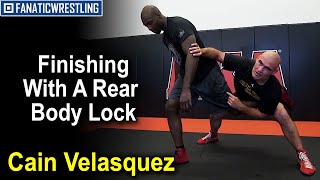
Finishing With A Rear Body Lock by Cain Velasquez
FANATIC WRESTLING
The Body Lock Grip
Absolute MMA St Kilda - Melbourne
THE FIRST TAKEDOWN EVERYONE SHOULD LEARN: THE BODY LOCK #bjj #nogijiujitsu #takedowns #wrestling
Kata Jiu Jitsu

No- gi BJJ Technique: Body Lock Pass Against Butterfly Guard
Tiger Muay Thai and MMA Training Camp, Phuket, Thailand
Defensive Tactics - Body Lock Clinch
Valhalla Academy