Overview of the Heel Hook Ankle Lock Variation
The instructor presents a legal ankle lock variation used in gi jiu-jitsu competition that functions mechanically similar to a heel hook. The technique relies on rotating the opponent's foot outward while applying knee pressure to attack the inside of the knee joint. This variation has been employed by high-level competitors such as Isaac Doderlin and Mikey Musimaki in IBJJF-regulated matches.
Fundamental Mechanics of Foot Control
The primary principle involves isolating the opponent's foot and rotating it off the leg rather than attacking the Achilles tendon directly. The instructor emphasizes that foot isolation is more effective against larger, stronger opponents than traditional Achilles-focused approaches. Proper positioning prevents the opponent from turning their foot inward, which is a common escape mechanism.
Hand and Arm Positioning for the Lock
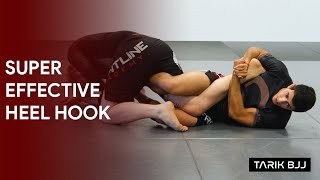
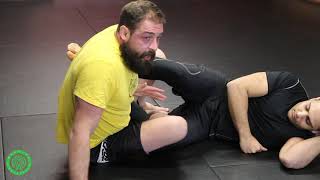
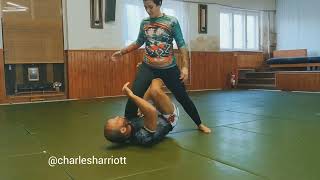
The practitioner places the opponent's heel on their ribcage while securing the foot behind their armpit. The controlling arm wraps deeply and grips the lapel, initially high but allowing the grip to slide downward as pressure is applied. This configuration creates a stable framework that prevents the opponent from turning their foot inward to escape.
Knee Pressure and Rotational Finish
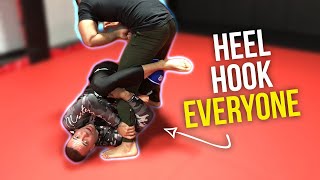
The finishing mechanism involves rotating the opponent's foot outward while applying knee pressure to the inside hip area, creating the same rotational stress as a traditional heel hook. The positioning naturally causes the opponent's knee to turn inward and hyperextend. Whether the foot or knee fails first depends on the opponent's flexibility and positioning.
Defensive Counters and Adjustments
If the opponent attempts to roll away to alleviate pressure, the practitioner can chase the movement and continue the lock. Should the opponent successfully turn their foot inward, the position converts into a classical ankle lock that breaks on the outside. The foot-placement on the ribcage prevents inward rotation, eliminating a primary escape route.
Finishing Variations and Foot Positioning
The instructor demonstrates multiple finish mechanics, including switching the controlling foot to the hip while placing the other foot on the opponent's thigh before rotating. This technique remains effective whether the opponent is sitting, kneeling, or standing. The rotational mechanics remain consistent across these positions, forcing the opponent to fall or tap.
Setup and Positional Advantage
The bottom position is preferable for setup as it allows better distance gauging of the opponent's foot placement. Even if the opponent places their foot on the floor during the setup, the practitioner can lift and reposition it. Proper initial positioning determines the ease and effectiveness of the finish.
Legal Heel Hook in the Gi?
Key Takeaways
- •Overview of the Heel Hook Ankle Lock Variation
- •Fundamental Mechanics of Foot Control
- •Hand and Arm Positioning for the Lock
- •Knee Pressure and Rotational Finish
This video I go over my details for the inside Ankle Lock. This ankle lock not only attacks the inside of the foot but also strongly attacks the inside of the knee because of the angle you can rotate the foot. The legality of this ankle lock is questionable, but it is often used at the highest level and I have never seen someone called on it when using it. Let me know what you think and if you have any questions. For more organized content and systems check out www.jonthomasbjj.thinkific.com Kimono: www.vitalkimonos.eu
Related Techniques
Frequently Asked Questions
What does this video teach about reaping heel hook?
This video covers overview of the heel hook ankle lock variation, fundamental mechanics of foot control, hand and arm positioning for the lock. It provides detailed instruction from JonThomasBJJ.
How long does it take to learn reaping heel hook?
The basic mechanics can be understood in a single session, but developing reliable execution requires consistent drilling over weeks of practice. This 7-part breakdown helps structure your training by isolating each phase of the technique.
What are the key details for finishing reaping heel hook?
The instructor demonstrates multiple finish mechanics, including switching the controlling foot to the hip while placing the other foot on the opponent's thigh before rotating. This technique remains effective whether the opponent is sitting, kneeling, or standing. The rotational mechanics remain consistent across these positions, forcing the opponent to fall or tap.