Introduction to the 180 Armbar
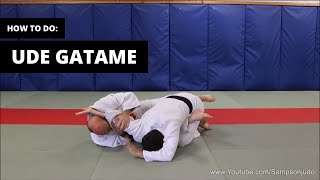
The 180 armbar is a dynamic finishing technique that can be executed from multiple positions including cross side, knee on belly, and knee mount. This instructional guide focuses on the cross-side variation and the drilling methodology that transforms the technique into a reliable, fluid component of one's grappling arsenal.
Arm Entanglement from Cross Side
From the cross-side position, the instructor controls the opponent's arm closest to the hip by creating an elbow-to-elbow hook, pinching the opponent's arm between the bicep and forearm. The grip should be executed with the arm rather than the hand, similar to a square dance hold, creating a secure mechanical advantage.
Hand Placement and Hip Control
The hand closest to the opponent's head should be placed palm-down on the floor near the opponent's hip, rather than near the hand or head. This positioning allows the practitioner to extend both legs fully while maintaining superior leverage for the subsequent rotation.
Leg Extension and Hip Rotation
With both legs extended on the toes, the practitioner executes a J-shaped movement pattern with the foot, circling slightly before sliding the shin directly behind the opponent's spine. This rotation generates the necessary torque to flip the opponent onto their back while maintaining arm control.
Extraction and Finishing Position
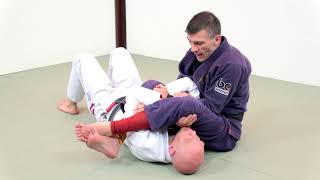
After the opponent lands on their back, the practitioner extracts their leg by ensuring the kneecaps point upward, then secures the thumb with the free hand while squeezing the knees together to lock the submission. This position creates maximum mechanical pressure on the opponent's arm and shoulder joint.
The 180 Armbar Drill Setup
The partner lies on their back with hands clasped together as if hugging a tree, then rotates side to side. This rotation creates a clear handle for the practitioner to grip, allowing repeated execution of the armbar technique from alternating sides in a continuous drilling sequence.
Drilling the Sequence: Entry and Control
The practitioner initiates the armbar by weaving their near-side arm over the forearm and underneath the bicep of the partner's arm. The hand is then placed on the floor while the chest secures the opponent's arm, and both legs extend fully to create a stable attacking base.
Safe Disengagement Technique
If the opponent's strength prevents the armbar completion, the practitioner safely disengages by leaning the head toward the opponent's knees while simultaneously leaning the knees toward the opponent's knees. The back leg is then kicked away cleanly without dragging the heel across the opponent's face, resetting to cross-side control.
Continuous Drilling and Alternation
As the partner rotates, the practitioner repeats the armbar sequence on the opposite side, maintaining the continuous flow of the drill. This repetition on both sides develops neuromuscular memory and transitions the 180 armbar into an instinctive, automatic response during live grappling.
How to Perfect Your Armbar: The 180 Armbar Drill
Key Takeaways
- •Introduction to the 180 Armbar
- •Arm Entanglement from Cross Side
- •Hand Placement and Hip Control
- •Leg Extension and Hip Rotation
https://www.infighting.ca/blog/brazilian-jiu-jitsu/ For more free BJJ tips, techniques and videos, check out our blog! BJJ coach, Ritchie Yip, shows how to do the 180 arm bar from top cross side. As well as a drill to help functionalize the arm bar. The drill allows the BJJ practitioner to establish fluidity in their movements. In BJJ fluidity and smoothness is the key to fast, dynamic techniques. http://www.youtube.com/watch?v=W1_GqU21uJI
Related Techniques
Frequently Asked Questions
What does this video teach about royler's armbar?
This video covers introduction to the 180 armbar, arm entanglement from cross side, hand placement and hip control. It provides detailed instruction from Ritchie Yip.
How long does it take to learn royler's armbar?
The basic mechanics can be understood in a single session, but developing reliable execution requires consistent drilling over weeks of practice. This 9-part breakdown helps structure your training by isolating each phase of the technique.
What are the key details for finishing royler's armbar?
If the opponent's strength prevents the armbar completion, the practitioner safely disengages by leaning the head toward the opponent's knees while simultaneously leaning the knees toward the opponent's knees. The back leg is then kicked away cleanly without dragging the heel across the opponent's face, resetting to cross-side control.