Introduction to Kata Gatame Position
Kata gatame is a head-and-arm control position that serves as both a powerful control tool and a submission opportunity in jiu-jitsu. Similar to how a triangle choke uses the legs, kata gatame uses the arm and shoulder to create a submission. This position is fundamental for transitioning from takedowns to ground control and finishing techniques.
Grip Mechanics and Control Principles
Proper grip selection is essential for kata gatame effectiveness. A gable grip provides excellent control, while a rear naked choke grip works well against opponents of equal or smaller size. The grip must be palm-to-palm contact with no interlaced fingers or thumb-based holds, as these weaken the structure. Strong clinch mechanics—pulling, waving, and crumpling pressure—are prerequisite skills for executing the takedown.
Kata Gatame Takedown Setup
The takedown begins by creating an opening at the opponent's shoulder and stepping through with either leg, depending on preference and positioning. The lead leg determines the trip direction: stepping with the left leg leads to a more direct kata gatame finish, while stepping right may result in modified mount or quarter guard. The right hand establishes the clinch around the shoulder as the head passes underneath the opponent's arm.
Executing the Trip and Follow-Through
Once the clinch is established, the instructor leans on the lead leg while pulling and waving the opponent off-balance to execute the trip. Immediately after takedown, the instructor follows the opponent to the ground, maintaining shoulder pressure and establishing kata gatame control. The transition must be smooth, with the instructor using body weight and leverage to keep the opponent pinned.
Transition from Arm Attack to Ezequiel Choke
When the opponent defends against arm lock attacks from keiza position, they create an opportunity to transition to the Ezequiel choke. The instructor pops the opponent's elbow and immediately drives their head down forcefully, rising up to establish dominance. This quick two-part movement—elbow pop followed by head drive—is critical for securing the position before the opponent can escape.
Establishing Ezequiel Control and Pressure
The instructor pins the opponent's head using chest, shoulder, and knee reinforcement while positioning the choking hand deep with the thumb near the opponent's ear. This placement creates a pressure point along the neck's weak spot. The hand position functions like a blade, targeting the specific anatomical vulnerability rather than relying purely on grip strength.
Grip Transition and Finishing Position
Once control is established, the instructor transitions to the Ezequiel grip with elbows together, using a two-on-one hand positioning on the opponent's arm if needed. The far hand grabs the bicep and pulls it upward while the body weight presses down, creating a submission that is difficult to defend. This grip configuration functions as a near-automatic finish when properly positioned.
Choke Mechanics and Finishing Strategy
The Ezequiel choke combines multiple pressure vectors: neck destruction through blade placement, blood restriction through arm pressure, and weight distribution through upper body control. The instructor walks their chest up the opponent's body while sucking their elbows together, creating compressive force. The combination of these elements makes the submission effective through both pain and unconsciousness.
Kata Gatame Flow - Jiu Jitsu Takedowns - Closed Guard Arm Triangle Choke
Key Takeaways
- •Introduction to Kata Gatame Position
- •Grip Mechanics and Control Principles
- •Kata Gatame Takedown Setup
- •Executing the Trip and Follow-Through
This Kata Gatame flow is one of the Jiu-Jitsu drills to develop the Kata Gatame, not only as a head and arm choke, but also as a way to attack and control your opponent for takedowns and in the closed guard position. If you like the Kata Gatame and prefer to train martial arts techniques in a flow, then check out our Free TRITAC Intro Course at: https://tritaccombat.com/intro-course Here's what you will learn in this TRITAC Kata Gatame Flow 1.) Kata Gatame Duck-Under Entrance 2.) Kata Gatame to Osoto Gari Jiu-Jitsu Takedown 3.) Kata Gatame to Kosoto Gake takedown 4.) Kata Gatame Finish from side control aka Arm Triangle Choke 5.) Escape from Side Control 6.) Closed Guard - Arm Triangle Choke Get more TRITAC Flows with our TRITAC Intro Course here: https://tritaccombat.com/intro-course
Related Techniques
Frequently Asked Questions
What does this video teach about kata gatame to ezequiel?
This video covers introduction to kata gatame position, grip mechanics and control principles, kata gatame takedown setup. It provides detailed instruction from TRITAC Martial Arts.
How long does it take to learn kata gatame to ezequiel?
The basic mechanics can be understood in a single session, but developing reliable execution requires consistent drilling over weeks of practice. This 8-part breakdown helps structure your training by isolating each phase of the technique.
What are the key details for finishing kata gatame to ezequiel?
Once control is established, the instructor transitions to the Ezequiel grip with elbows together, using a two-on-one hand positioning on the opponent's arm if needed. The far hand grabs the bicep and pulls it upward while the body weight presses down, creating a submission that is difficult to defend. This grip configuration functions as a near-automatic finish when properly positioned.
Related videos
Kata Gatame, Americana, Juji Gatame w Prof Chris Standing BTT
BTT Portland
Katagatame (Head and Arm Choke) from Mount - No Gi BJJ / Jiu-Jitsu
Brian Glick
Guard: Palm Up Palm Up choke
Bellingham BJJ
BJJ - X Choke from Mount | Palm Up / Palm Down
Focused Fight Team
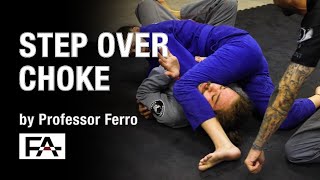
Ferro Academy BJJ Step Over Choke from knee on belly and side control.#sidechoke#bjj
Sickness Ferro