Introduction to Kata Gatame from Mount
Kata gatame, also known as the head and arm choke, offers numerous entry points and variations throughout grappling. This instructional segment focuses on a high-percentage entry that emphasizes proper elbow positioning, which is essential for finishing the submission successfully.
Establishing a Solid Mount Base
The foundation begins with a mechanically sound mount position: toes turned inward and hips low to the body. Elevated hips create excessive space that allows the defender to execute elbow escapes or buck the top player off balance.
The Initial Arm Placement
The instructor lifts the opponent's head while maintaining a forward chest position with elbows on the floor. The first choking arm slides underneath the opponent's neck and shoulder with the elbow positioned as deep as possible—shallow grips lack the mechanical advantage needed against resisting opponents.
Elevating the Opponent's Elbow
Rather than using isolated arm strength, the top player places their forearm against the opponent's elbow and uses their chest to roll the opponent's arm from their torso to shoulder height. Once the elbow reaches the shoulder line, the top player lifts their own elbow off the mat and applies pressure against the opponent's elbow to maintain this critical position.
Head Position Transition
The top player shifts their head from the inside to the outside position by rising up and over, placing their cheek against the opponent's tricep. The opponent often voluntarily removes their hand from inside this space due to the intense shoulder pressure created by this repositioning.
Securing the Grip and Dismounting
Using a C-grip with the outside hand, the top player pushes the opponent's bicep across their jaw line while dropping their head down beside their own hand. The top player then dismounts by placing their head on the floor, using their outside leg to pommel over the top, and transitioning into a sprawl position.
Finishing the Kata Gatame
From the sprawled position with heads touching and elbows tucked tight, the top player locks a palm-to-palm grip. This body positioning creates sufficient pressure to finish the kata gatame choke effectively and securely.
Alternative Entry with Arms Already Elevated
When the opponent's arms are already raised during defense, the setup becomes even more favorable. The fundamental principles remain constant: lifting and wrapping the head, elevating the elbow to shoulder height, and crossing the arm past the opponent's centerline.
Key Finishing Details and Variations
The critical elements for successful kata gatame execution are elevating the opponent's elbow and moving it across their centerline. Even when the opponent's arm extends higher than ideal, proper choking arm placement and body positioning allow for a strong, secure finish.
Katagatame (Head and Arm Choke) from Mount - No Gi BJJ / Jiu-Jitsu
Key Takeaways
- •Introduction to Kata Gatame from Mount
- •Establishing a Solid Mount Base
- •The Initial Arm Placement
- •Elevating the Opponent's Elbow
Katagatame: the head and arm choke from the mounted position isn’t only a powerful submission. It’s also a very robust method of control from the top of the mount and leads directly into other dominant positions like the gift wrap and back control. In submission grappling or no-gi BJJ, we don’t have the benefit of collars or sleeves to grip. As a result, the mounted position can seem difficult to maintain - especially when working with someone much larger or stronger. That’s why in this entry into katagatame, we focus on the importance of elbow position, a key factor in determining whether or not your strangle will be successful. When you learn to emphasize the correct elbow position - and focus on it in your setup t - you’ll find that you improve your overall control and can finish your katagatame with much less effort. 🚨 INSTAGRAM: http://www.instagram.com/bzglick === Like this video? Subscribe here: https://bit.ly/subscribeBZG === PLEASE CHECK OUT ⬇️ 🚨 INSTAGRAM: http://www.instagram.com/bzglick 🚨 FACEBOOK: http://www.facebook.com/bzglick 📹 VIDEOS @ THEDOJO.COM : https://www.thedojo.com 🥋 SHOYOROLL: https://shoyoroll.com/ 🙇🏻 BROOKLYN BJJ: https://www.brooklynbjj.com
Related Techniques
Frequently Asked Questions
What does this video teach about kata gatame to ezequiel?
This video covers introduction to kata gatame from mount, establishing a solid mount base, the initial arm placement. It provides detailed instruction from Brian Glick.
How long does it take to learn kata gatame to ezequiel?
The basic mechanics can be understood in a single session, but developing reliable execution requires consistent drilling over weeks of practice. This 9-part breakdown helps structure your training by isolating each phase of the technique.
What are the key details for finishing kata gatame to ezequiel?
When the opponent's arms are already raised during defense, the setup becomes even more favorable. The fundamental principles remain constant: lifting and wrapping the head, elevating the elbow to shoulder height, and crossing the arm past the opponent's centerline.
Related videos
Kata Gatame Flow - Jiu Jitsu Takedowns - Closed Guard Arm Triangle Choke
TRITAC Martial Arts
Kata Gatame, Americana, Juji Gatame w Prof Chris Standing BTT
BTT Portland
Guard: Palm Up Palm Up choke
Bellingham BJJ
BJJ - X Choke from Mount | Palm Up / Palm Down
Focused Fight Team
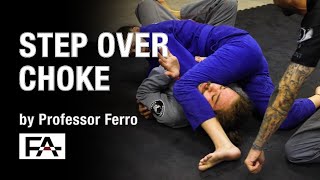
Ferro Academy BJJ Step Over Choke from knee on belly and side control.#sidechoke#bjj
Sickness Ferro