Introduction to Jiu-Claw Technique
The Jiu-Claw is an advanced submission technique executed from the closed guard position that combines gripping mechanics with joint manipulation. This technique targets the opponent's arm and wrist through a specialized claw-like grip that creates multiple finishing options. Practitioners will find this submission particularly effective against opponents who defend conventional submissions through standard guard passing.
Grip Foundation and Hand Positioning
Establish the Jiu-Claw by positioning your hands with fingers extended and slightly curved, mimicking a claw formation across your opponent's arm. The grip should control from the wrist through the forearm, creating mechanical advantage through finger pressure on specific pressure points. Proper hand positioning is critical for generating submission pressure without excessive muscular effort.
Guard Control Prerequisites
Before initiating the Jiu-Claw, secure a dominant closed guard position with elevated hips and controlled posture. Your grip on your opponent's collar or sleeve should prevent them from breaking posture or creating distance. Proper guard control eliminates escape routes and forces your opponent into the submission sequence.
Submission Mechanics and Pressure Application
Execute the submission by applying simultaneous wrist flexion and rotational torque through the claw grip while controlling your opponent's arm against your body. The pressure targets both wrist ligaments and arm structure, creating a multi-directional threat that forces a quick tap. Maintain steady pressure rather than jerky movements to prevent injury and ensure control.
Transition Opportunities and Chaining Submissions
The Jiu-Claw opens multiple transition pathways to secondary submissions if the primary finish is defended. From this position, practitioners can transition to armbar variations, wrist locks, or positional advancement depending on opponent resistance. Mastering these transitions creates an unpredictable submission chain that severely limits defensive options.
19 Submissions/Transitions From Closed Guard You've Probably Never Seen Before - BJJ Techniques
Key Takeaways
- •Introduction to Jiu-Claw Technique
- •Grip Foundation and Hand Positioning
- •Guard Control Prerequisites
- •Submission Mechanics and Pressure Application
Ben Eddy of 10th Planet San Francisco and Kevin Berbrich of 10th Planet Vista showing some little known closed guard submissions, grips and transitions. Song: Miracle by Blackmill
Related Techniques
Frequently Asked Questions
What does this video teach about jiu-claw?
This video covers introduction to jiu-claw technique, grip foundation and hand positioning, guard control prerequisites. It provides detailed instruction from Ben Eddy Bravo.
How long does it take to learn jiu-claw?
The basic mechanics can be understood in a single session, but developing reliable execution requires consistent drilling over weeks of practice. This 5-part breakdown helps structure your training by isolating each phase of the technique.
What are the key details for finishing jiu-claw?
Execute the submission by applying simultaneous wrist flexion and rotational torque through the claw grip while controlling your opponent's arm against your body. The pressure targets both wrist ligaments and arm structure, creating a multi-directional threat that forces a quick tap. Maintain steady pressure rather than jerky movements to prevent injury and ensure control.
Related videos
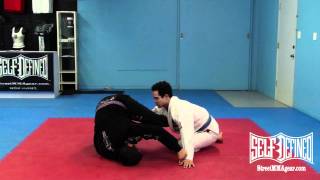
BJJ Triangle Choke: Gi Jiu Jitsu Rubber Guard Submission presented by Self Defined Fitness
Self Defined
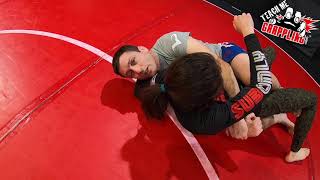
Use the "CLAW" to Attack from the Back!
TeachMeGrappling Coach Brian
Ice Pick on the Ground
Kalah UK
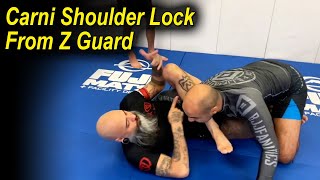
The Carni Shoulder Lock From BJJ Z Guard by Richie "Boogeyman" Martinez
Bernardo Faria BJJ Fanatics
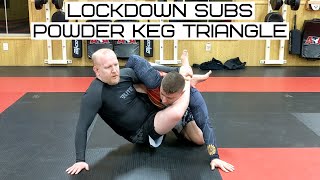
Lockdown Half Guard, Part 12: Powder Keg Triangle
Cheat Code Jiu Jitsu