Arm Triangle Fundamentals
The arm triangle is a fundamental grappling technique and one of the most effective submissions in Brazilian Jiu-Jitsu, Judo, and MMA. Unlike the armbar, this technique requires the practitioner's neck to pass to the outside of the opponent's elbow, creating a unique pressure dynamic.
Initial Setup and Hand Placement
To establish the arm triangle from mount, push the opponent's elbow across the centerline of their body. Insert the hand on the same side as the pushed elbow while positioning the neck low, with the side of the neck against the opponent's trapezius and shoulder. This creates the foundational structure for the submission.
Transitioning to Side Mount
Lock the hands around the opponent's neck once the initial grip is secure. Transition to side mount by moving the legs deliberately—activate the foot first and slip to the side to prevent the opponent from capturing half guard. This positional shift is critical for finishing the technique.
Critical Angle Alignment
Both the forearm and upper arm must maintain a 90-degree angle to the opponent's centerline. A common beginner mistake is driving the shoulder into the opponent's jaw, which creates discomfort but insufficient pressure. Proper 90-degree positioning ensures maximum mechanical efficiency.
Elbow and Chest Positioning
Keep the working elbow on the floor at all times; if it lifts, use neck and chest pressure to reset it. Position the chest off to the side rather than directly on the opponent's chest, creating an angle that increases hand exposure and compression efficiency.
Compression Mechanics
Compression, not rotation, is the key to finishing the arm triangle. Pull the active hand (the one around the neck) toward the opposite chest using the biceps and chest, reducing the circular wrap by even half an inch. This compresses the trachea and closes blood flow to the brain with minimal force.
Finishing the Submission
With the head down, elbow down, and chest positioned correctly, activate the biceps of the working arm with controlled pressure. The opponent will either tap or lose consciousness; the submission requires remarkably little force when proper technique is applied.
Common Setup from Wrist Control
A practical entry to the arm triangle involves controlling the opponent's wrist and preventing an underhook or Americana lock. Once the wrist is controlled, the opponent often inadvertently creates elbow exposure, allowing the practitioner to enter the submission seamlessly.
Arm Triangle Choke from Mount - ArmTriangle Kata Gatame BJJ Grappling Judo Basics for MMA
Key Takeaways
- •Arm Triangle Fundamentals
- •Initial Setup and Hand Placement
- •Transitioning to Side Mount
- •Critical Angle Alignment
Related Techniques
Frequently Asked Questions
What does this video teach about arm triangle — from north-south?
This video covers arm triangle fundamentals, initial setup and hand placement, transitioning to side mount. It provides detailed instruction from Peter Mettler Martial Arts.
How long does it take to learn arm triangle — from north-south?
The basic mechanics can be understood in a single session, but developing reliable execution requires consistent drilling over weeks of practice. This 8-part breakdown helps structure your training by isolating each phase of the technique.
What are the key details for finishing arm triangle — from north-south?
With the head down, elbow down, and chest positioned correctly, activate the biceps of the working arm with controlled pressure. The opponent will either tap or lose consciousness; the submission requires remarkably little force when proper technique is applied.
Related videos
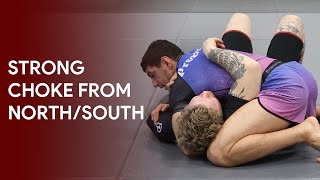
Arm Triangle from North South
Tarik BJJ
Jiu Jitsu Technique - Arm Triangle from North South
wicombatsports
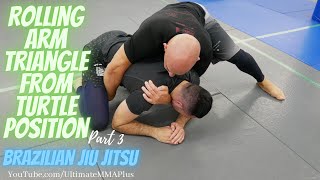
How to : Rolling Arm Triangle from Turtle Part 3
UltimateMMA Plus

Knee on Belly to Arm Triangle!
TeachMeGrappling Coach Brian
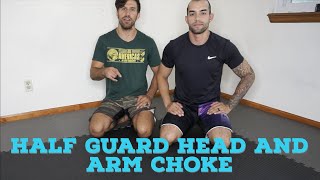
Head and arm choke from half guard || The Jiu Jitsu Journal || BJJ Techniques
Prism Jiu Jitsu