Technique Overview
The oblique kick, also known as the shovel kick, is a traditional technique found in Okinawan kata and Chinese forms. This strike features a distinctive angled foot position with the toes turned outward and the heel as the striking surface, which defines its oblique name.
Two Primary Variations
The oblique kick is executed in two distinct methods: an upward scooping motion or a downward and outward stomping motion. Both variations utilize the same angled foot position but serve different tactical purposes.
Range Limitations
Due to the angled foot position and cross-legged mechanics, this technique is restricted to lower-level targets at groin height or below. Even with exceptional flexibility, the skeletal structure prevents higher leg elevation from this position.
Sweeping Application
The scooping variation functions as a balance-disrupting technique similar to sweeps in judo and jiu-jitsu, while simultaneously inflicting pain. Rather than serving as an independent strike or sweep, it works most effectively as a setup for follow-up techniques.
Conditioning Considerations
When practicing on heavy bags or impact surfaces, practitioners should exercise caution with knee health, as this technique creates unusual pressure on the joint. Beginners should start with light contact and gradually increase intensity.
Stomping Variation Benefits
The downward stomping version, prevalent in karate methods, is designed to cause pain and joint damage while remaining effective in self-defense, grappling, and striking exchanges. This variation allows practitioners to develop both speed and power simultaneously on heavy bags.
Technical Execution
When executing the stomping variation, practitioners must raise the knee above the intended strike point to generate maximum power. This fundamental principle applies universally across kicking techniques.
Range Versatility
Both oblique kick variations are close-range techniques effective from either pre-engagement distance or within a clinch. They excel at disrupting opponent balance and setting up larger throws and sweeps.
Self-Defense Applications
When directed at an opponent's legs, oblique kicks force backward stepping that creates openings for upper-body counters such as knee strikes or uppercuts. Due to its effectiveness, this technique is highly recommended as a foundational self-defense kick.
Oblique/Shovel Kick
Key Takeaways
- •Technique Overview
- •Two Primary Variations
- •Range Limitations
- •Sweeping Application
This is a quick video explaining the oblique/shovel kick, as it is seen in Okinawan karate. It was completely unscripted, so I apologize for the lack of clarity and my stumbling over words.
Related Techniques
Frequently Asked Questions
What does this video teach about oblique front kick?
This video covers technique overview, two primary variations, range limitations. It provides detailed instruction from Illinois Practical Karate.
How long does it take to learn oblique front kick?
The basic mechanics can be understood in a single session, but developing reliable execution requires consistent drilling over weeks of practice. This 9-part breakdown helps structure your training by isolating each phase of the technique.
What are the key details for finishing oblique front kick?
Both oblique kick variations are close-range techniques effective from either pre-engagement distance or within a clinch. They excel at disrupting opponent balance and setting up larger throws and sweeps.
Related videos
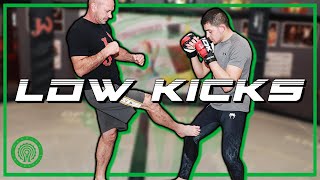
Low Kicks for MMA - The Oblique Kick System with Mike Winkeljohn
Stuart Tomlinson

FRONT 🦵Kicking - Bruce Lee's Martial Art Jeet Kune Do
Jeet Kune Do - Way Of Intercepting Method
How to do a Front Snap Kick
Excellence Martial Arts
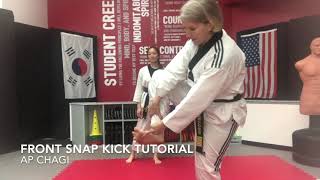
Front Snap Kick Tutorial
Beyond Taekwondo

10 Combos with a PUSH KICK or TEEP #pushkick #teep
The Will To Fight