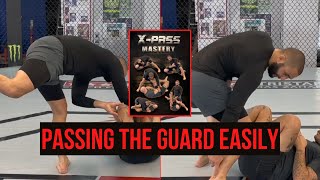
Introduction to the No Hands Pass
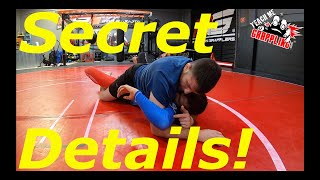
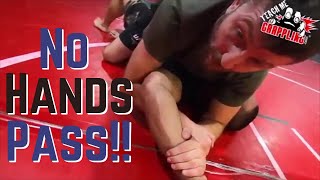
Coach Brian Peterson demonstrates the fundamental no hands pass from top half guard position. This foundational technique requires precise detail execution and is considered bread and butter material for guard passing. The pass is called 'no hands' because hand control becomes secondary to body positioning and pressure application.
Identifying Basic Half Guard Position
The defender maintains one leg holding while the other leg confirms the position. This technique applies only to basic half guard without knee shield or lockdown variations. A lockdown occurs when the bottom player controls both legs with synchronized foot positioning, which requires different passing strategies.
Establishing Control: Underhook and Cross Face
The passer secures an underhook on the bottom side and applies a cross face grip around the opponent's neck. Hands are locked with the cross face hand placed palm down for optimal control. This two-point grip creates the foundation for pressure application throughout the pass.
Applying Shoulder Pressure and Hip Turn
The passer's shoulder drives into the opponent's chest while turning the hip to generate pressure. Proper execution creates a subtle choking sensation, signaled when the defender grabs the passer's shoulder in response. This pressure prevents the defender from bridging effectively.
Knee Escape and Hip Control
As the passer walks laterally, the bottom leg knee lifts while the underhook elbow remains firmly posted on the mat. The passer must keep the elbow open and planted rather than collapsing inward. When the defender's knees point upward, a small pressure causes the passer's knee to clear the leg trap.
Clearing the Leg and Hip Positioning
Once the passer's knee escapes, it is placed on the mat and driven downward through hip extension rather than pulled upward. Simultaneously, the passer pulls the right heel toward the buttocks in a hamstring curl motion. If the defender attempts to clamp, a sharp knee thrust downward prevents re-establishment of half guard.
Walking the Arm and Preventing Escape
The passer continues walking the opponent's arm further while maintaining hip pressure that prevents the defender from pulling knees to chest. The passer opens the underhook arm and walks outward, controlling the opponent's positioning. This progression ensures the defender cannot establish any meaningful defensive structure.
Finalizing Mount Position Control
Once the passer's forearm reaches the opponent's far shoulder, the elbow is squeezed and closed to prevent overhook attempts. The passer's right knee remains planted on the mat as mounting begins. Proper forearm positioning negates the defender's ability to generate powerful upward head drives or establish overarm control.
Coach Brian's "No Hands" Half Guard Pass!
Key Takeaways
- •Introduction to the No Hands Pass
- •Identifying Basic Half Guard Position
- •Establishing Control: Underhook and Cross Face
- •Applying Shoulder Pressure and Hip Turn
PLEASE Click this link to SUPPORT the TeachMeGrappling Channel!!! https://www.patreon.com/TeachMeGrappling or https://www.paypal.me/CoachBrianPeterson Your contribution is much appreciated and will help me continue to bring you content! 🙏 www.NextLevelGuy.com The NextLevelGuy Podcast with Coach Brian Peterson has been released!! Check it out! http://teachmegrappling.com This video I breakdown my way of doing the "no hands" guard pass from half guard. This is most likely unique to the way most people teach it. Check out the details and you are sure to find something useful! Enjoy! If you have any questions, comments, or suggestions, please comment below. More videos to come! Please like, share, and subscribe!!
Frequently Asked Questions
What does this video teach about no hand pass to mount?
This video covers introduction to the no hands pass, identifying basic half guard position, establishing control: underhook and cross face. It provides detailed instruction from TeachMeGrappling Coach Brian.
How long does it take to learn no hand pass to mount?
The basic mechanics can be understood in a single session, but developing reliable execution requires consistent drilling over weeks of practice. This 8-part breakdown helps structure your training by isolating each phase of the technique.
What are the key details for finishing no hand pass to mount?
The passer continues walking the opponent's arm further while maintaining hip pressure that prevents the defender from pulling knees to chest. The passer opens the underhook arm and walks outward, controlling the opponent's positioning. This progression ensures the defender cannot establish any meaningful defensive structure.