Introduction to Mount Escapes
Mount position presents a challenging defensive scenario with multiple viable escape routes depending on the opponent's configuration. This guide explores five distinct escape techniques, progressing from basic to advanced, with emphasis on recognizing the specific conditions that make each escape most effective.
Trap and Roll from Hand Contact
When the opponent's hands remain on the mat, the defender can establish a gable grip, transition to a two-on-one control on the wrist and elbow, trap the same-side foot, and execute a bridge arch to roll the opponent over. This fundamental escape works best when caught early before the opponent withdraws their hands.
Adapting When Opponent Avoids Hand Placement
If the opponent pulls their hands away from the mat, the defender can follow the hand retreat, trap it low on the abdomen, secure the foot, and execute the same bridge and roll combination. This variation maintains the core mechanics while adjusting to the opponent's defensive positioning.
Weight Shift Recognition and Guard Recovery
When the opponent intentionally shifts weight to prevent a trap and roll in one direction, the defender should shrimp the hips toward the lighter side, insert the bottom leg, and bring the top leg to the hip. From this position, the defender can either attempt a footlock or execute a technical standup to maintain top pressure.
Defeating Grapevine Control
Against grapevine hooks, the defender pushes through the heel to release one side, steps on the opponent's leg, places their own foot on top, and raises both legs simultaneously. The defender then rotates toward the released side and completes an elbow escape to recover guard or half guard.
Escaping Crossed Ankle Control
When the opponent crosses their ankles rather than using grapevines, the defender cannot access a traditional elbow escape. Instead, the defender grabs the opponent's pants, bridges strongly, and drives both legs vertically upward to create space and insert the legs inside, recovering to a butterfly guard position.
Managing High Knee Positioning
If the opponent successfully places their knees in the defender's armpits, the bridge becomes ineffective. The defender applies a C-clamp grip in the opponent's armpits, bridges while extending the arms, replaces hand control with foot positioning, and rolls backward to escape the mount position.
Jiu-Jitsu Escapes | 5 Ways Out of The Mount
Key Takeaways
- •Introduction to Mount Escapes
- •Trap and Roll from Hand Contact
- •Adapting When Opponent Avoids Hand Placement
- •Weight Shift Recognition and Guard Recovery
So much more at Patreon.com/KnightJiuJitsu Getting mounted sucks, but these techniques and concepts help it to suck a little less. Far from a comprehensive guide to escaping mount, this provides a nice framework for getting out of this difficult position. I hope this helps. Let me know what you think. Don't forget to like and subscribe. Follow on Instagram: @knight_jiu_jitsu
Related Techniques
Frequently Asked Questions
What does this video teach about hip out mount escape?
This video covers introduction to mount escapes, trap and roll from hand contact, adapting when opponent avoids hand placement. It provides detailed instruction from Knight Jiu-Jitsu.
How long does it take to learn hip out mount escape?
The basic mechanics can be understood in a single session, but developing reliable execution requires consistent drilling over weeks of practice. This 7-part breakdown helps structure your training by isolating each phase of the technique.
What are the key details for finishing hip out mount escape?
When the opponent crosses their ankles rather than using grapevines, the defender cannot access a traditional elbow escape. Instead, the defender grabs the opponent's pants, bridges strongly, and drives both legs vertically upward to create space and insert the legs inside, recovering to a butterfly guard position.
Related videos
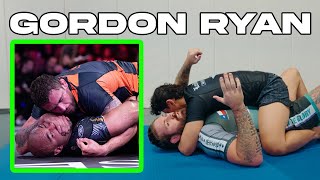
Mount Escapes for Blue Belts and ADCC Champions by Gordon Ryan
Gordon Ryan
Kids BJJ - Gorilla Escaping the Cage | FaMA | Singapore
FaMA - Fitness and Martial Arts
Clinch Takedown - Turning the Corner from Over Under Position - Firas Zahabi
Tristar Gym
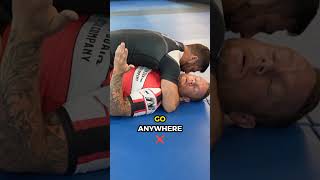
MUST KNOW Mount escape advice❗🥋
Jordan Teaches Jiujitsu
How to Use a Wall or a Fence While Grappling
Stephan Kesting