Foundation: Underhook Positioning in Half Guard
The underhook is the fundamental pillar of half guard offense and defense. The practitioner should maintain constant underhook control, as this position enables all subsequent sweep mechanics and prevents the top player from establishing dominant pressure.
The B. Smith Escape: Foot Lock Setup
From half guard with underhook established, the bottom player whips the outside leg over in a controlled motion while keeping heels slightly elevated off the ground. The practitioner then uses both hands to drive the opponent's hips upward over the right shoulder while transitioning onto the right elbow.
The B. Smith Escape: Toe Grip and Transition
Once on the right elbow, the right arm threads through to secure the opponent's toes or foot. The practitioner then undoes the lockdown, drags the right knee through to establish a double-knee position, and prepares to drive the opponent's leg for the sweep.
Troubleshooting: Underhook Defense and Extension
If the opponent continuously unhooks the lockdown, the bottom player should extend the foot to trap the opponent's foot in place. This defensive adjustment prevents the opponent from escaping and allows the technique to proceed uninterrupted.
Plan B: Countering the Wizard Scramble
When the top player defends by executing a wizard grip and initiating a scramble, the bottom player traps the opponent's arm with the elbow while extending the hips. The practitioner rolls through this trap, achieving a complete sweep directly into side control.
The Electric Chair Sweep: Setup and Grip
From the whipped-up position, the bottom player threads the left arm through as an underhook and secures a gable grip with the right hand. Proper shoulder positioning is critical—the opponent's knee crook must sit directly on the center of the shoulder to maximize leverage and prevent shoulder injury.
The Electric Chair Sweep: Extension and Finish
The practitioner extends the legs forcefully while maintaining the gable grip, driving the opponent's knee across the shoulder. If the opponent posts the hands to defend, the bottom player transitions to the right elbow, rocks up on top, unhooks, and completes the pass into side control.
Troubleshooting: Inflexibility and Foot Positioning
When flexibility limits the outside leg placement, the bottom player can use the inside foot to stomp the opponent's leg while pressing upward. Additionally, keeping the heels slightly elevated off the ground throughout the technique improves hip mobility and execution.
Troubleshooting: Double Underhook Defense and Recovery
If the opponent establishes a double underhook position, the bottom player must immediately come underneath the opponent's face, pry upward to create space, and re-establish the underhook. The underhook remains the foundation for all subsequent techniques and survival in half guard.
Lockdown Half Guard Fundamental sweeps
Key Takeaways
- •Foundation: Underhook Positioning in Half Guard
- •The B. Smith Escape: Foot Lock Setup
- •The B. Smith Escape: Toe Grip and Transition
- •Troubleshooting: Underhook Defense and Extension
Mike Palladino shows a great and basic Lockdown sweep. be sure to check his youtube channel. https://www.youtube.com/channel/UCGaInpDXdlONJrbuQ0bAHeA -~-~~-~~~-~~-~- "TOP 3 Headbutts for Self-Defense... Dirty Fighting" https://www.youtube.com/watch?v=_mx9PZpP8_s -~-~~-~~~-~~-~-
Related Techniques
Frequently Asked Questions
What does this video teach about the b. smith escape?
This video covers foundation: underhook positioning in half guard, the b. smith escape: foot lock setup, the b. smith escape: toe grip and transition. It provides detailed instruction from TRITAC Martial Arts.
How long does it take to learn the b. smith escape?
The basic mechanics can be understood in a single session, but developing reliable execution requires consistent drilling over weeks of practice. This 9-part breakdown helps structure your training by isolating each phase of the technique.
What are the key details for finishing the b. smith escape?
When flexibility limits the outside leg placement, the bottom player can use the inside foot to stomp the opponent's leg while pressing upward. Additionally, keeping the heels slightly elevated off the ground throughout the technique improves hip mobility and execution.
Related videos
5 BJJ Back Mount Escapes in 3 Minutes
Chewjitsu
10th Planet Counters: Einstein's Triangle Escape
Alder Hampel
How to Escape the Back EVERY TIME | Jiu Jitsu Back Escape System
Matt Arroyo Jiu Jitsu
Powerful BJJ Mount Escape (Tunnel Escape)- Firas Zahabi
Tristar Gym
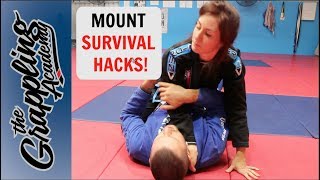
Mount Survival And Escape Guide
The Grappling Academy