3 Defense Tips Against a Knife Attack
0
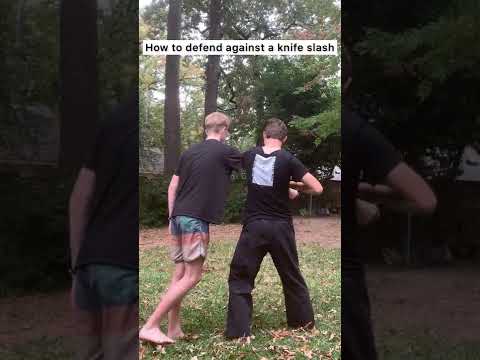
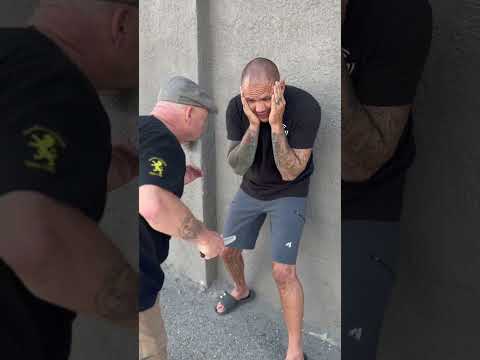
Defence Against Knife Slash·Kevin Goat Self Defense
Self Defense with Kevin Goat - Sifu Kevin Goat will teach you real world self defence training and techniques using his …
Translation: defence against knife slash
Developed from real military and security experience; continuously refined based on actual incident reports. [1]
Imi Lichtenfeld → Krav Maga worldwide; Lichtenstein 9th Dan lineage. [1]
Self-defence system — not used in sport competition
No images yet for this technique.
Sign in to suggest an image.
Self Defense with Kevin Goat - Sifu Kevin Goat will teach you real world self defence training and techniques using his …
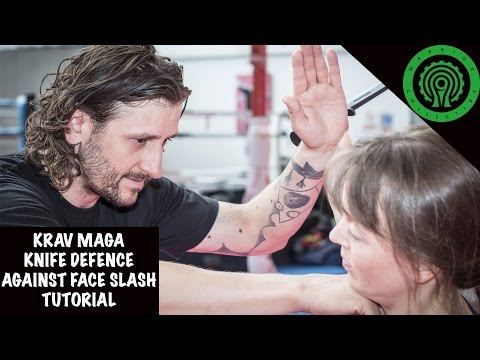
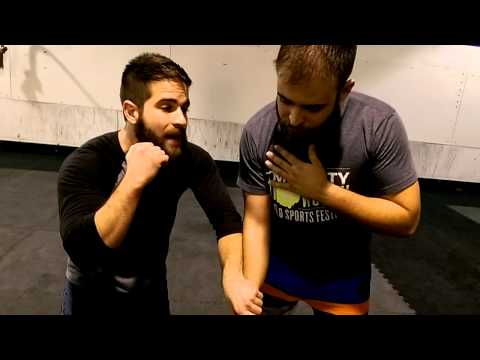
Tom Griffin, head instructor at Eastburn Krav Maga is here filmed by the Warrior Collective giving variations on knife d…
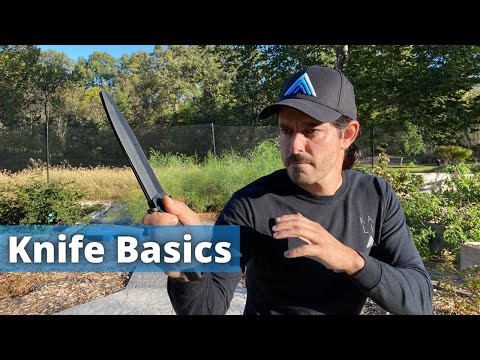
Get the NEW Kali Apex training course here: https://www.kaliapex.com/ For 1 on 1 Kali Coaching go here: https://www.pat…
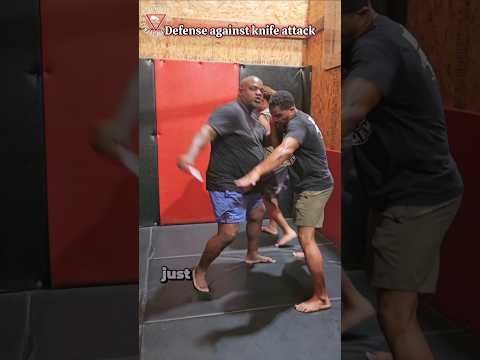
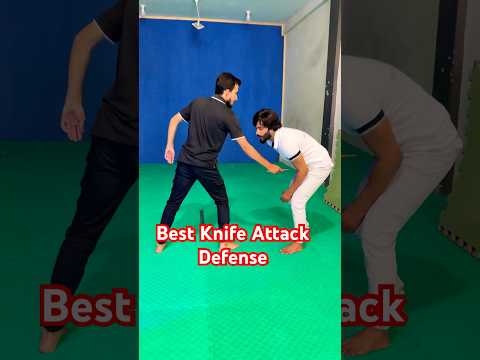
Best Knife Attack Defence Technique #selfdefensetechniques #kravmaga -#taekwondo #kungfu Martial arts are defence for b…
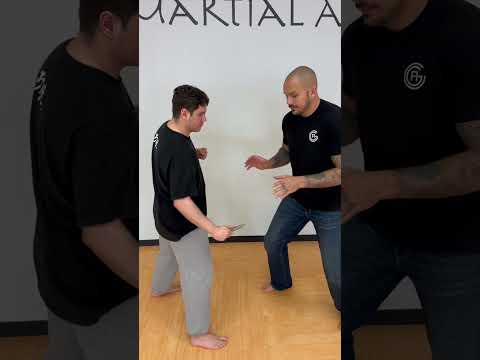
When Defending against an attacker with knife, protection is critical. This simple move can protect your vital organs an…
Defence against knife slash emphasizes a hierarchical approach prioritizing avoidance before physical engagement. Kevin Goat Self Defense stresses the fundamental principle of escape when possible, and if trapped, establishing control via two-on-one grip techniques (catching and barring or double-catching) before attempting disarmament. The Makeshift Dojo—Sensei Canon addresses specific slash patterns, particularly to the neck, recommending an X-block followed by grabbing the attacker's arm, then breaking it using chest leverage, with options to control the weapon or force the attacker to self-inflict injury. Stuart Tomlinson (Warrior Collective) provides the most detailed tactical framework for face slashes: initial de-escalation through submissive body language and verbal negotiation, then upon attack, moving inside the weapon's arc while simultaneously blocking and striking the face. Control is achieved by grabbing the wrist and applying hand-to-neck pressure while kicking to the groin, creating a dominant clinch position from which multiple disabling techniques (knee strikes, continued groin kicks) can be applied before weapon removal. Tomlinson emphasizes post-disarmament safety: creating distance and avoiding re-weaponization. All instructors converge on weapon control as essential; disagreement centers on technique specificity, with Tomlinson offering the most comprehensive multi-step sequence while Goat and Canon emphasize foundational principles.
Synthesized from 4 instructors
No instructional courses yet for this technique.
Sign in to suggest a course.
Risk of injury to the person this technique is applied to
Defensive technique
Skill level needed to execute this technique reliably
Whether this technique is allowed under major competition rule sets
The Book of Krav-Maga: The Bible (Lichtenstein, 2007)
description, historyOrigin: sourced from Lichtenstein, Y
description, historyOrigin: sourced from Lichtenstein, Y
Quick reactions
Aggression
Awareness
Knife slash defense appears in 4 passages across 3 books. Krav Maga's knife defense principle: redirect the weapon hand, control the wrist, deliver debilitating counter-strikes, then disarm. Against slashes, the defender must stay outside the arc of the blade. (3 books; Complete Krav Maga)
According to Stuart Tomlinson, put your hands up in a submissive posture and block the attack as it comes in, then use multiple strikes ("bam, bam, bam") to create distance from the attacker.
Kevin Goat Self Defense recommends using your wrist to protect your neck and your forearm to protect your vital organs while the attacker is slashing.
Stuart Tomlinson advises getting distance between yourself and the attacker; if you don't have to use the weapon, it's better to disarm and move away rather than engage further.
The Makeshift Dojo's Sensei Canon teaches using an X block followed by grabbing the attacker's arm, then breaking it by leaning in with your chest.
The Defence Against Knife Slash uses a two-handed forearm block to intercept the slashing arm while immediately moving to control the weapon hand.
Krav Maga was developed by Imi Lichtenfeld for the Israeli Defence Forces and refined for civilian self-defence. Defence Against Knife Slash addresses real-world attack scenarios.
Unified MMA: legal — Legal defensive technique; IBJJF: legal — Legal; IJF: legal — Legal defensive action; WBC/Boxing: legal — Legal; WKF: legal — Legal; WT: legal — Legal
Danger rating 3/10. Defensive technique
The standard setup chain: Threat detected → Defence Against Knife Slash → Counter-attack → Disengage or control.
Standard counters include: N/A — these are defensive responses to attacks.
Common variants: Against right-handed attacker; Against left-handed attacker; Multiple attackers.
Self-defence system — not used in sport competition
Top errors to watch for: Freezing instead of acting / Insufficient aggression in counter-attacks / Poor footwork.
The Defence Against Knife Slash is also known as Defence Against Knife Slash, Knife Slash Defence, Edged Weapon Block.