Identifying the Most Dangerous Attack
The attached stab—where the attacker maintains continuous contact and control—represents the most dangerous knife threat. Unlike isolated stabbing motions, this technique allows the attacker to continue cutting and stabbing repeatedly because the controlling hand prevents effective defense.
Prioritizing the Immediate Threat
When facing an attached stab, the control hand poses a greater immediate threat than the blade itself. Defenders must address the controlling hand first; failing to neutralize it allows the attacker to continue cutting regardless of knife-focused defense attempts.
Exploiting the Opening
As the attacker grabs and establishes control, they inadvertently create an open side and expose a direct path to their weapon arm. While not risk-free, this position is the more favorable of two difficult scenarios.
Executing the Two-on-One Control
The defender should immediately transition to a two-on-one grip, shooting the knee and wrapping the attacking arm with firm support. This technique secures the knife arm while preventing the attacker from repositioning the blade.
Managing Risk During Transition
Cutting may occur during the control transition, but the attacker cannot fatally wound the defender if their arm is properly trapped and controlled. The two-on-one grip prevents the blade from being repositioned for lethal strikes.
Finishing with Positional Dominance
Once arm control is established, the defender should drive the attacker against a wall or solid surface. This pins the attacker and neutralizes their ability to resist or reposition the weapon arm.
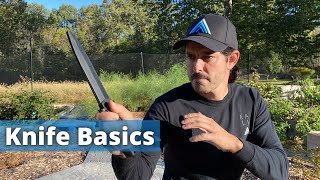
Defense against a knife attack. #lasvegascombatacademy ense
Key Takeaways
- •Identifying the Most Dangerous Attack
- •Prioritizing the Immediate Threat
- •Exploiting the Opening
- •Executing the Two-on-One Control
Related Techniques
Frequently Asked Questions
What does this video teach about defence against knife slash?
This video covers identifying the most dangerous attack, prioritizing the immediate threat, exploiting the opening. It provides detailed instruction from Coach Britt - Las Vegas Combat Academy.
How long does it take to learn defence against knife slash?
The basic mechanics can be understood in a single session, but developing reliable execution requires consistent drilling over weeks of practice. This 6-part breakdown helps structure your training by isolating each phase of the technique.
What are the key details for finishing defence against knife slash?
Cutting may occur during the control transition, but the attacker cannot fatally wound the defender if their arm is properly trapped and controlled. The two-on-one grip prevents the blade from being repositioned for lethal strikes.
Related videos

Knife Slash Attack Self Defense
Kevin Goat Self Defense
Basic Knife Fighting Techniques - Self Defense Training
Kali Center

Defense against knife - backhand knife slash
Endeavor Defense & Fitness

Krav Maga Knife Slash to the Face Defence Tutorial
Stuart Tomlinson

how to defend against a knife slash...
The Makeshift Dojo - Sensei Canon