Prioritize Evasion
The primary defense against any knife attack is avoidance and escape. If a safe exit is available, the practitioner should prioritize running away from the threat rather than engaging. This principle forms the foundation of all knife defense strategy.
Identify the Slash Attack
The slash represents a common knife attack pattern characterized by sweeping, cutting motions rather than direct thrusts. Understanding this attack type allows the defender to anticipate the weapon's trajectory and position their body accordingly.
Protect Vital Targets
The neck and torso contain critical vital organs that must be shielded during a knife defense. The practitioner should maintain constant awareness of these vulnerable areas and position their limbs defensively to intercept incoming attacks.
Wrist Defense for Neck Protection
The inside of the wrist can be used to defend the neck area from slash attacks. This technique positions the forearm as a barrier between the knife and the throat, minimizing the risk of laceration to vital blood vessels.
Forearm Defense for Torso Protection
The forearm should be positioned across the midsection to protect the organs beneath the ribcage. This defensive posture creates a durable barrier against downward and horizontal slashing motions.
Anticipate Multiple Attacks
Knife attackers typically execute rapid successive slashes in an attempt to overwhelm their opponent. The defender must prepare for continuous attack patterns rather than isolated movements.
Recognize the Transition to Thrust
Attackers may shift from slashing patterns to direct stabbing motions. The practitioner must remain adaptable and adjust their defensive positioning to address both cutting and thrusting attacks.
Execute Catching Techniques
Advanced knife defense includes single-arm catches and double-arm catching techniques that control the attacker's weapon arm. These techniques require specific training and should only be attempted after proper instruction and extensive practice.
Commitment to Training
Effective knife defense demands dedicated practice of all defensive techniques under qualified instruction. Without proper training, practitioners risk serious injury when attempting to defend against armed attackers.
Knife Slash Attack Self Defense
Key Takeaways
- •Prioritize Evasion
- •Identify the Slash Attack
- •Protect Vital Targets
- •Wrist Defense for Neck Protection
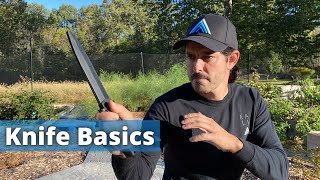
When Defending against an attacker with knife, protection is critical. This simple move can protect your vital organs and if you train knife defense you can then hopefully gain control and get away with your life. #selfdefense #selfdefence #martialarts #protection #guard #knifedefense #knifeattack #fma #filipinomartialarts #streetfight #violence #empowerment
Related Techniques
Frequently Asked Questions
What does this video teach about defence against knife slash?
This video covers prioritize evasion, identify the slash attack, protect vital targets. It provides detailed instruction from Kevin Goat Self Defense.
How long does it take to learn defence against knife slash?
The basic mechanics can be understood in a single session, but developing reliable execution requires consistent drilling over weeks of practice. This 9-part breakdown helps structure your training by isolating each phase of the technique.
What are the key details for finishing defence against knife slash?
Advanced knife defense includes single-arm catches and double-arm catching techniques that control the attacker's weapon arm. These techniques require specific training and should only be attempted after proper instruction and extensive practice.
Related videos

Defense against a knife attack. #lasvegascombatacademy ense
Coach Britt - Las Vegas Combat Academy
Basic Knife Fighting Techniques - Self Defense Training
Kali Center

Defense against knife - backhand knife slash
Endeavor Defense & Fitness

Krav Maga Knife Slash to the Face Defence Tutorial
Stuart Tomlinson

how to defend against a knife slash...
The Makeshift Dojo - Sensei Canon