Introduction & De-escalation Priority
Instructor Tom Griffin emphasizes that the primary objective when facing an armed attacker is de-escalation and escape. Physical defense should only be employed as a last resort when the attacker commits to an assault. Attempting to defuse the situation through submissive body language, verbal disengagement, and avoiding eye contact significantly reduces the risk of injury to all parties involved.
Recognizing the Threat
The defender must remain aware that the weapon could be a knife, bottle, glass, or other sharp object. Situational awareness includes noting the attacker's proximity and readiness to strike. Understanding that accidents can occur even with skilled practitioners, and that multiple assailants may be present, reinforces the importance of escape as the primary strategy.
Entry & Simultaneous Defense
As the attacker initiates a slash, the defender must move inside the weapon's arc while simultaneously blocking near the wrist and striking the attacker's face. This entry technique closes distance and disrupts the attacker's offensive momentum. The combination of blocking and striking prevents the weapon from making contact while establishing control.
Wrist Control & Positional Dominance
Upon securing the attacker's wrist, the defender places their opposite hand on the attacker's neck to establish head control. A simultaneous groin kick forces the attacker into a compromised position. This three-point control—wrist, neck, and continuous kicks—neutralizes the threat and creates a secure position from which to incapacitate or disarm the attacker.
Weapon Disarming Technique
The defender flicks their controlling hand inward, forcing the attacker's fingers open while bending the wrist downward. A final groin kick is executed as the weapon is extracted from the attacker's grip. The timing of the kick with the wrist manipulation creates maximum leverage for successful disarm.
Post-Disarm Safety Protocol
Once the weapon is secured, the defender immediately creates distance between themselves and the attacker. The weapon should be placed on the ground rather than retained, preventing accidental injury and eliminating the psychological temptation to use it. Creating space and exiting the situation safely is the priority over engaging further with an already disarmed attacker.
Mirror-Side Technique Execution
The same defensive sequence is executed when the slash originates from the defender's opposite side, requiring directional adjustments to blocking angles and kick delivery. The fundamental principles—entry, wrist control, neck control, and disarm—remain consistent regardless of which side the attack originates. Practitioners must develop proficiency on both sides through repeated drilling.
Repetition & Pressure Testing
Consistent practice of the complete sequence—blocking, striking, controlling, and disarming—develops the timing and reflexive responses necessary for effective self-defense. Live drilling with resistance builds confidence and identifies technical deficiencies. Instructor Griffin demonstrates the technique multiple times at controlled speeds to establish proper form before introducing realistic pressure.
Krav Maga Knife Slash to the Face Defence Tutorial
Key Takeaways
- •Introduction & De-escalation Priority
- •Recognizing the Threat
- •Entry & Simultaneous Defense
- •Wrist Control & Positional Dominance
Tom Griffin, head instructor at Eastburn Krav Maga is here filmed by the Warrior Collective giving variations on knife defence against a knife slash to the face in Krav Maga. www.warriorcollective.com www.eastburnfitness.co.uk Thanks for watching, I hope you enjoyed watching this tutorial, please like, share and don't forget to subscribe to this channel for more great videos each week!! You can also follow the Warrior Collective on Facebook - https://www.facebook.com/warriorcollective Twitter - https://twitter.com/Warriorcollect Google + - https://plus.google.com/u/0/ Pinterest - http://uk.pinterest.com/warriorcollect/
Related Techniques
Frequently Asked Questions
What does this video teach about defence against knife slash?
This video covers introduction & de-escalation priority, recognizing the threat, entry & simultaneous defense. It provides detailed instruction from Stuart Tomlinson.
How long does it take to learn defence against knife slash?
The basic mechanics can be understood in a single session, but developing reliable execution requires consistent drilling over weeks of practice. This 8-part breakdown helps structure your training by isolating each phase of the technique.
What are the key details for finishing defence against knife slash?
The same defensive sequence is executed when the slash originates from the defender's opposite side, requiring directional adjustments to blocking angles and kick delivery. The fundamental principles—entry, wrist control, neck control, and disarm—remain consistent regardless of which side the attack originates. Practitioners must develop proficiency on both sides through repeated drilling.
Related videos

Knife Slash Attack Self Defense
Kevin Goat Self Defense

Defense against a knife attack. #lasvegascombatacademy ense
Coach Britt - Las Vegas Combat Academy
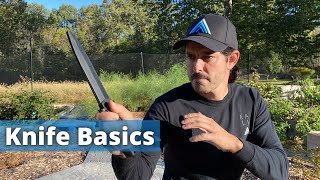
Basic Knife Fighting Techniques - Self Defense Training
Kali Center

Defense against knife - backhand knife slash
Endeavor Defense & Fitness

how to defend against a knife slash...
The Makeshift Dojo - Sensei Canon