5 Ways to Choke Someone Even When Their Chin is Down
0
Chin-down·Stephan Kesting·Added by Admin
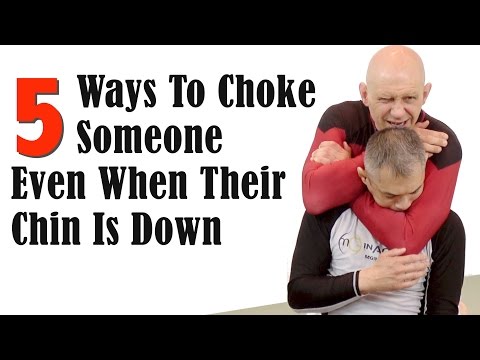
When you attack with a choke your opponent will often try to block by dropping his chin down to his chest. Here are 5 t…
Перевод: chin-down
The chin-down wrist lock from seated guard is a flexion-based wrist submission where the attacker, working from a seated or guard position, traps the opponent's hand and forces the wrist into acute flexion by pressing the back of the hand toward the inner forearm. [1] The 'chin-down' designation refers to the specific grip configuration where the attacker's thumbs press down on the back of the opponent's hand, mimicking the motion of pushing someone's chin toward their chest. [1],[2] From seated guard, the attacker isolates one of the opponent's posting hands during a pass attempt, cups the hand, and applies downward flexion pressure against the wrist joint. [2] This creates intense stress on the radiocarpal and midcarpal joints, threatening ligament damage and compelling the tap. [2],[3]
Wrist locks from guard became increasingly popular in BJJ competition as practitioners like Claudio Calasans demonstrated their viability at the black belt level. [1],[2] The chin-down variant from guard draws on the aikido and jujutsu tradition of redirecting an opponent's limb against their own body structure. [1] The guard position's ability to control distance makes it a surprisingly effective platform for wrist manipulation techniques. [1],[2]
Chin-down defence (tucking the chin) is the universal defence against chokes, but when an attacker forces the chin down aggressively it can become a neck crank submission. [1]
Chin-down as both defence and offensive crank appears across all grappling arts. [1]
Forced chin-down cranks occasionally appear in MMA when choke attempts create cranking pressure. [1]
Изображений для этой техники пока нет.
Войдите, чтобы предложить изображение.
When you attack with a choke your opponent will often try to block by dropping his chin down to his chest. Here are 5 t…
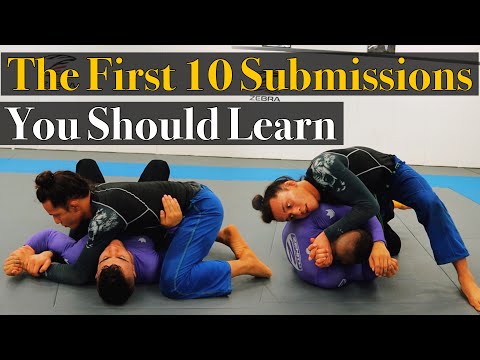
In today’s video I’ll be giving you the 10 first bjj submissions that every white belt should learn. These are the submi…
The chin-down position presents a significant defensive challenge when pursuing submissions from the back, particularly the rear naked choke. Stephan Kesting (Grappler.com) provides five distinct methodologies for overcoming this defense. The Phoenix Eye Fist technique, borrowed from kung fu, uses a single protruding knuckle as a wedge to trace the jawline and create space beneath the chin. The caterpillar method involves repeatedly inserting fingers under the chin tip with a peaking motion to incrementally lift the chin and advance the hand deeper. Timing-based approaches exploit transitions where the opponent's attention diverts to other threats (such as hook insertion), allowing simultaneous choke placement. Forehead leverage involves pulling high on the opponent's forehead to extend the chin backward, exploiting the limited strength of the sternocleidomastoid muscle. Finally, direct application over the jawbone itself—applying pressure through the chin rather than beneath it—can eventually dislocate or open the jaw enough to occlude the airway, though this aggressive method requires mutual consent and experience. Jedi Does Jiujitsu briefly addresses the rear naked choke in a foundational submission overview, emphasizing proper hand positioning under the chin with shoulder pressure behind the neck, but does not specifically address chin-down counters. Both instructors agree that rear naked choke success depends on hand placement and shoulder positioning; Kesting provides specialized solutions for defensive chin positioning that Jedi's overview does not cover.
Сформировано на основе 2 инструкторов
Учебных курсов по этой технике пока нет.
Войдите, чтобы предложить курс.
Риск травмы для человека, к которому применяется техника
Wrist lock variant targeting carpal and radioulnar joints through forced deviation or torsion
Уровень мастерства, необходимый для надёжного выполнения техники
Разрешена ли техника по основным соревновательным правилам
Japanese BJJ community standard katakana transliteration
Japanese BJJ community standard katakana transliteration
Standard katakana transliteration of Western martial arts terminology (外来語) — used in Japanese MMA, boxing, and BJJ communities
Japanese terminology sourced from Japanese BJJ community standard katakana transliteration
fine motor control, grip sensitivity, quick hand transitions
dexterous hands with strong fingers
forearm flexors and extensors, intrinsic hand muscles
Каждое движение в любом боевом искусстве обладает рядом универсальных свойств. Комбинируйте параметры ниже, чтобы найти нужный инструмент или сравнить аналоги из разных стилей.
The chin-down wrist lock from clinch is applied during a standing clinch by gripping the opponent's hand and pressing the wrist into flexion while simultaneously driving the bent wrist downward toward the opponent's own chin or chest. [1,2] The clinch provides the close range needed to trap and manipulate the wrist while preventing the opponent from pulling away. [1] The downward driving force combined with the flexion creates compound stress on the wrist joint's ligaments and tendons, producing intense pain that can force a submission. [1,2]
The chin-down wrist lock from prone control is applied when the attacker has the opponent pinned face-down and traps one wrist, bending it into flexion while pressing it toward the opponent's own face or chin. [1,2] The prone position eliminates the opponent's ability to rotate or bridge to relieve the wrist pressure, and the attacker's weight prevents any significant movement. [1] The technique is commonly applied when the opponent is flattened from top control and extends a hand to post or push, exposing the wrist to manipulation. [1,2]
The chin-down wrist lock from seated guard uses a sharp downward flexion of the opponent's wrist while controlling the forearm from guard position. [1] The attacker traps the opponent's hand and drives the wrist into extreme flexion using body weight and guard mechanics, targeting the carpal and radiocarpal ligaments. [1,2]
The chin-down wrist lock from standing is applied by gripping the opponent's hand and bending the wrist into flexion while directing the pressure downward toward the opponent's own chin or sternum. [1,2] The standing position allows the attacker to use body weight and stance changes to amplify the wrist flexion force. [1] The technique requires close range and is commonly initiated from a handshake grip, wrist grab, or collar-tie position where the opponent's hand is already within reach. [1,2]
Biting down on your opponent's shoulder with your chin makes the choke tighter and gives you better back control. According to Jedi Does Jiujitsu, this positioning is more effective than relying solely on your grip.
It's important to cut an angle and be as smooth as possible when you throw that top leg over their head, as any gaps may give them enough space to escape. Jedi Does Jiujitsu emphasizes keeping your weight on them for maximal control.
When going for submissions like the Americana from side control, put your elbow on the mat right next to their neck. If you don't do this, your opponent will have enough space to turn away from you to defend the submission.
The chin-down wrist lock from seated guard is a flexion-based wrist submission where the attacker, working from a seated or guard position, traps the opponent's hand and forces the wrist into acute flexion by pressing the back of the hand toward the inner forearm. The 'chin-down' designation refers to the specific grip configuration where the attacker's thumbs press down on the back of the opponent's hand, mimicking the motion of pushing someone's chin toward their chest.
Wrist locks from guard became increasingly popular in BJJ competition as practitioners like Claudio Calasans demonstrated their viability at the black belt level. The chin-down variant from guard draws on the aikido and jujutsu tradition of redirecting an opponent's limb against their own body structure.
IBJJF: разрешён — Legal at all belt levels; IJF: запрещён — Only elbow joint locks (kansetsu-waza) permitted in judo — all other joint lo…; ADCC: разрешён — Legal — all submissions legal in ADCC; Unified MMA: разрешён — Legal submission technique; FIAS Sport Sambo: разрешён — Legal; FIAS Combat Sambo: разрешён — Legal
Оценка опасности 5/10. Wrist lock variant targeting carpal and radioulnar joints through forced deviation or torsion
Стандартная цепочка подготовки: Establish Position → Create the Threat → Secure the Hold → Finish.
Стандартные контрприёмы: Early Recognition — identify the submission attempt early and begin defence immediately / Posture and Base — maintain strong posture and base to prevent submission setups / Grip Fight — deny the attacker their preferred gripping configuration.
Распространённые варианты: Standard wrist lock (kote gaeshi) (two-handed rotational lock on the wrist); Gooseneck wrist lock (flexion lock bending the wrist down toward the forearm); Standing wrist lock (applied during grip fighting or a standing exchange); Ground wrist lock (catching the opponent's posted hand from mount, side cont…).
Forced chin-down cranks occasionally appear in MMA when choke attempts create cranking pressure.
Основные ошибки, на которые стоит обратить внимание: Not isolating the hand first — the hand must be trapped and unable to retract before body weight is applied / Applying with the chin on the fingers instead of the metacarpals — the force must be on the back of the hand, not the… / Not controlling the opponent's body — if they can move freely, they simply pull the hand away before weight is applied / Using this technique when the hand is not committed — the hand must be bearing weight or trapped against the mat for ….
Chin-down также известен как Chin Daun, Chin-Down Wrist Lock, Downward Wrist Flex.