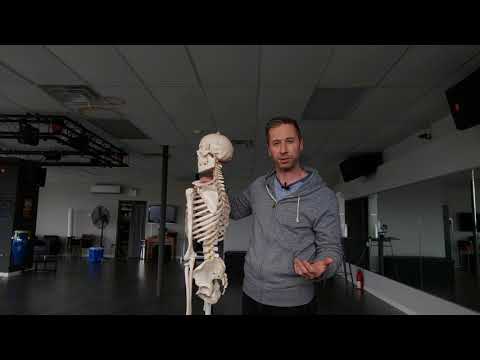
Thoracic Flexion vs Thoracic Spine Flexion
0
Flexion·Neal Hallinan
When PRI talks about "Thoracic Flexion" they do not mean "flexion of the thoracic spine". In PRI-speak, the thoracic spi…
Перевод: flexion
Wrist flexion locks force the hand forward (palmar flexion), compressing the wrist joint and stressing the dorsal ligaments and extensor tendons. [1],[2] Nikkyo (二教, second teaching) in aikido is a classic wrist flexion lock that applies inward pressure on the wrist while controlling the elbow. Figure-four flexion locks, Z-locks, and two-on-one flexion grips are common BJJ variations. [3],[4]
Wrist locks are legal at brown and black belt in IBJJF competition and fully legal in ADCC and MMA. They are increasingly popular as surprise submissions at high-level BJJ competition. [1]
Изображений для этой техники пока нет.
Войдите, чтобы предложить изображение.
When PRI talks about "Thoracic Flexion" they do not mean "flexion of the thoracic spine". In PRI-speak, the thoracic spi…
Учебных курсов по этой технике пока нет.
Войдите, чтобы предложить курс.
Риск травмы для человека, к которому применяется техника
Wrist flexion locks force the hand palmward, stressing dorsal ligaments and extensor tendons
Уровень мастерства, необходимый для надёжного выполнения техники
Разрешена ли техника по основным соревновательным правилам
Aikido — Nikyo (二教); Kisshomaru Ueshiba, 'Aikido'
Japanese terminology sourced from Aikido — Nikyo (二教); Kisshomaru Ueshiba, 'Aikido'
Aikido technique naming conventions
Standard Japanese martial arts terminology (kanji/hiragana)
Established Japanese martial arts naming convention — native Japanese term (和語/漢語)
Japanese terminology sourced from Aikido — Nikyo (二教); Kisshomaru Ueshiba, 'Aikido'
fine motor control, grip sensitivity, quick hand transitions
dexterous hands with strong fingers
forearm flexors and extensors, intrinsic hand muscles
Каждое движение в любом боевом искусстве обладает рядом универсальных свойств. Комбинируйте параметры ниже, чтобы найти нужный инструмент или сравнить аналоги из разных стилей.
The arm-drag wrist lock applies wrist flexion — bending the wrist toward the inner forearm — using an arm-drag grip as the controlling mechanism. [1,2] The attacker uses a standard arm-drag motion to isolate the opponent's arm, then repositions the grip to fold the wrist inward while controlling the elbow. [1] The arm-drag entry is effective because it simultaneously disrupts the opponent's balance and exposes the wrist for the lock. [1,3] This technique bridges the gap between wrestling-style arm drags and submission-oriented wrist manipulation. [1]
The chin-down wrist lock from seated guard is a flexion-based wrist submission where the attacker, working from a seated or guard position, traps the opponent's hand and forces the wrist into acute flexion by pressing the back of the hand toward the inner forearm. [1] The 'chin-down' designation refers to the specific grip configuration where the attacker's thumbs press down on the back of the opponent's hand, mimicking the motion of pushing someone's chin toward their chest. [1,2] From seated guard, the attacker isolates one of the opponent's posting hands during a pass attempt, cups the hand, and applies downward flexion pressure against the wrist joint. [2] This creates intense stress on the radiocarpal and midcarpal joints, threatening ligament damage and compelling the tap. [2,3]
The figure-four wrist lock from seated guard is a flexion submission where the attacker uses a figure-four grip configuration to isolate and bend the opponent's wrist from a bottom guard or seated position. [1] The attacker grabs the opponent's hand with one hand, then threads the other arm around the wrist to grip their own forearm, creating a powerful figure-four lever. [1,2] This interlocking grip provides superior mechanical advantage compared to simple two-hand grips, as the figure-four structure distributes force efficiently and prevents the opponent from pulling free. [2] From seated guard, the attack typically arises when the top player posts a hand on the mat or the attacker's body during guard passing, exposing the wrist. [2,3] The figure-four lock allows finishing with relatively small movements. [3]
The flexion gooseneck wrist lock bends the wrist forward (toward the inner forearm) while curling the fingers backward, creating a gooseneck shape in the flexion direction. [1,2] The attacker grips the opponent's fingers and palm, pushes the wrist into flexion, and curls the fingers back toward the back of the hand. [1,3] The combined wrist flexion and finger extension creates compound joint stress that is extremely painful. [1] This is commonly used in self-defense, law enforcement wrist control, and as a submission from various grappling positions. [1,4]
The two-on-one wrist lock from seated guard is a flexion submission where the attacker uses both hands to control and bend a single wrist from a seated or guard position. [1] Both of the attacker's hands wrap around the opponent's hand and wrist, with one hand cupping the fingers and the other pressing against the back of the hand, driving the wrist into forced flexion. [1,2] The two-on-one grip provides raw strength advantage and is the simplest wrist lock configuration — no interlocking or figure-four mechanics are needed, just direct bilateral pressure. [2] This attack is commonly opportunistic, catching an opponent's posting hand during a guard pass attempt or when grips are momentarily exposed. [2,3] The simplicity makes it accessible but also easier for the opponent to resist with a strong fist. [3]
The Z-lock wrist lock from seated guard is a flexion-based submission that uses a distinctive Z-shaped arm configuration to hyperextend the opponent's wrist joint from a bottom guard or seated position. [1] The attacker threads their forearm behind the opponent's wrist in a weaving pattern that creates a Z-shape when viewed from the side — the attacker's arm bends at the elbow, wraps behind the opponent's wrist, and the hand hooks back to create three connected segments. [1,2] This configuration generates exceptional leverage because the Z-shape creates two fulcrum points acting on the wrist simultaneously. [2] From seated guard, the Z-lock catches opponents who post carelessly or extend their arms during passing attempts. [2,3] The Z-lock is considered an advanced wrist lock variant due to the precise positioning required to establish the weaving grip. [3]
Thoracic spine flexion involves flexing the thoracic spine while maintaining an extended lower lumbar spine, whereas thoracic flexion can refer to just compressing or jamming the thoracic spine down without that spinal positioning distinction. Neal Hallinan emphasizes this is a critical concept to understand, especially when working with PRI (Postural Restoration Institute) techniques.
Wrist flexion locks force the hand forward (palmar flexion), compressing the wrist joint and stressing the dorsal ligaments and extensor tendons. Nikkyo (二教, second teaching) in aikido is a classic wrist flexion lock that applies inward pressure on the wrist while controlling the elbow.
Nikkyo is the second foundational technique in aikido's curriculum, inherited from Daito-ryū Aiki-jūjutsu. Wrist flexion locks have been used in Japanese martial arts for centuries as both standing control techniques and ground submissions.
IBJJF: разрешён — Legal at all belt levels; IJF: запрещён — Only elbow joint locks (kansetsu-waza) permitted in judo — all other joint lo…; ADCC: разрешён — Legal — all submissions legal in ADCC; Unified MMA: разрешён — Legal submission technique; FIAS Sport Sambo: разрешён — Legal; FIAS Combat Sambo: разрешён — Legal
Оценка опасности 5/10. Wrist flexion locks force the hand palmward, stressing dorsal ligaments and extensor tendons
Стандартная цепочка подготовки: Control the Arm → Position the Hips → Pinch Knees → Extend for the Finish.
Стандартные контрприёмы: Clasp Hands — grip own wrist to prevent arm extension / Stack — drive forward to compress the attacker and relieve elbow pressure / Hitchhiker Escape — rotate the thumb toward the mat and roll to extract the arm.
Распространённые варианты: Standard wrist lock (kote gaeshi) (two-handed rotational lock on the wrist); Gooseneck wrist lock (flexion lock bending the wrist down toward the forearm); Standing wrist lock (applied during grip fighting or a standing exchange); Ground wrist lock (catching the opponent's posted hand from mount, side cont…).
Wrist locks are legal at brown and black belt in IBJJF competition and fully legal in ADCC and MMA. They are increasingly popular as surprise submissions at high-level BJJ competition.
Основные ошибки, на которые стоит обратить внимание: Applying flexion without controlling the forearm — the forearm must be anchored; otherwise, the arm simply moves with… / Not recognising the palm-up hand position — flexion locks require specific hand orientation; don't attempt when the p… / Using the same grip as for extension — flexion requires pressing the back of the hand forward, not pulling the finger… / Applying with fingers only — use the palm of your hand against the back of theirs for adequate force distribution.
Flexion также известен как Kukkyoku, Wrist Flexion Lock, Palmar Flexion Lock.