Head and Arm Choke from Mount Finishing Details
0
Arm Triangle Choke — From Mount·Roger Gracie TV
🔥 FREE CONTENT 🔥 for Youtube Subscribers https://rogergracietv.com/yt/755-free-content
Перевод: Shoulder Hold / Arm-and-Head Lock — From Mount
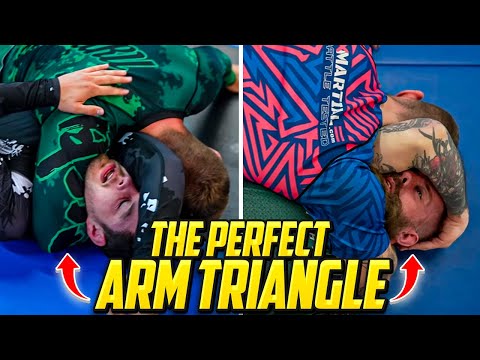
A classic arm triangle choke variation applied from the mounted position. The attacker isolates the opponent’s arm against the head, driving shoulder pressure into the neck while lowering chest weight. From mount, the attacker can angle the body and slide off to the side if needed to maximize choke pressure. This position offers strong control with both submission threat and positional dominance.
Derived from classical kata gatame in Judo, this variation is widely adopted in Brazilian Jiu-Jitsu and MMA as a high-percentage submission from dominant mount.
The mounted arm triangle is one of the most high-percentage submissions in BJJ, using mount control to trap the arm and transition to side control for the finish. [1]
Изображений для этой техники пока нет.
Войдите, чтобы предложить изображение.
🔥 FREE CONTENT 🔥 for Youtube Subscribers https://rogergracietv.com/yt/755-free-content
Thanks to LMNT for sponsoring this video! Head to http://DrinkLMNT.com/JORDANTEACHES to get your free sample pack with a…
Check out http://lachlangiles.net for more instructionals
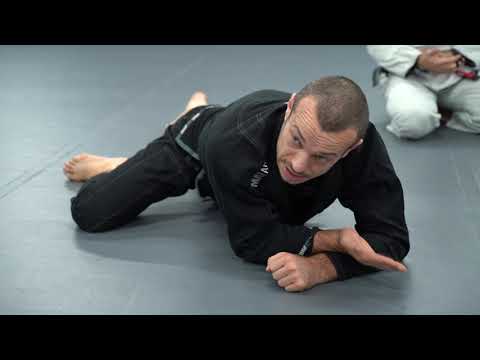
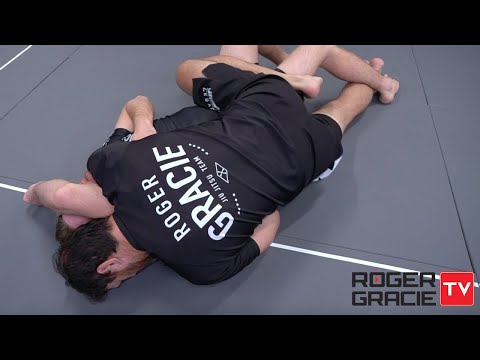
The arm triangle choke from mount is a high-percentage submission that benefits from consistent setup principles across instructors, though they emphasize different mechanical priorities. All three instructors—Absolute MMA St Kilda (Lachlan Giles), Roger Gracie TV, and Jordan Teaches Jiujitsu—agree on fundamental positioning: isolating one arm by raising the opponent's elbow to or above shoulder height, then transitioning the head behind the arm to replace it. Giles and Jordan both stress the critical importance of a deep "bite"—the positioning of the bicep and forearm tightly against the neck—with Jordan arguing it is paramount, even enabling single-arm finishes if executed perfectly. Roger Gracie emphasizes body-weight transfer and angle creation during setup, advocating placing the arm on the shoulder to use whole-body mechanics rather than isolated arm strength against resistant opponents. Giles provides extensive detail on hand placement below the shoulder blade to prevent escape rolling, the tripod positioning of head and body to block arm recovery, and the sprawl mechanics that keep hips low and pressure continuous. All three agree that the choke should be driven primarily by body weight and positioning rather than muscular squeezing, with Giles and Jordan both warning against excessive arm tension. Roger Gracie and Jordan both address the transition off mount, with Roger detailing leg placement to avoid half-guard traps, while Jordan recommends finishing from mount when possible to limit escape options. The instructors collectively present a technique requiring precise positional layering before pressure application.
Сформировано на основе 3 инструкторов
Учебных курсов по этой технике пока нет.
Войдите, чтобы предложить курс.
Риск травмы для человека, к которому применяется техника
Direct vascular choke; unconsciousness occurs quickly if maintained.
Уровень мастерства, необходимый для надёжного выполнения техники
Разрешена ли техника по основным соревновательным правилам
Kodokan Judo — Official Katame-waza Classification (肩固め Kata-gatame)
Japanese terminology sourced from Kodokan Judo — Official Katame-waza Classification (肩固め Kata-gatame)
Official Kodokan ground technique classification system
Established Japanese martial arts naming convention — native Japanese term (和語/漢語)
Japanese terminology sourced from Kodokan Judo — Official Katame-waza Classification (肩固め Kata-gatame)
hip flexibility, long legs relative to torso
longer limbs for easier figure-four lock around head and arm
hip adductors, hamstrings, quadriceps
Каждое движение в любом боевом искусстве обладает рядом универсальных свойств. Комбинируйте параметры ниже, чтобы найти нужный инструмент или сравнить аналоги из разных стилей.
A classic arm triangle choke variation applied from the mounted position. The attacker isolates the opponent’s arm against the head, driving shoulder pressure into the neck while lowering chest weight. From mount, the attacker can angle the body and slide off to the side if needed to maximize choke pressure. This position offers strong control with both submission threat and positional dominance.
A classic Kata Gatame sequence begun from mount and finished from side control. The attacker sets the head-and-arm choke from mount, then “slides off” to the side while maintaining the lock. The angle change tightens carotid compression and removes the defender’s ability to bridge or re-guard, increasing finishing percentage.
An arm triangle variation applied from S-Mount. The attacker raises one knee high beside the opponent’s head and swings the other knee across their chest, creating the “S” shape. This tightens control over the head-and-arm while giving greater downward pressure. The attacker may finish directly from S-Mount or transition to side control while maintaining the choke for increased tightness.
From mount, this choke forces the defender to choose between giving up the choke or exposing transitions such as back take or side control.
Jordan Teaches Jiujitsu emphasizes that the bite is the most important aspect of the arm triangle—so much so that with a good bite, you can even hit the choke with just one arm. A good bite makes everything else matter so much less, and you should never waste energy until the bite is perfect.
You need to bring their elbow at least level with their shoulder, but the higher you pass their shoulder you bring their elbow, the better, according to Jordan Teaches Jiujitsu.
Lachlan Giles explains that you should keep your hips low and your elbow low, using your body weight sprawling as the main mechanism of the choke rather than arm squeeze. Your hand and shoulder should both be lower than the line of your opponent's head, and you want to avoid coming too high with your hips as this loses pressure on the neck.
Lachlan Giles recommends putting your hands together underneath the shoulder blade to stop your opponent from rolling back and turning to face away, which would make the choke impossible to finish.
A classic arm triangle choke variation applied from the mounted position. The attacker isolates the opponent’s arm against the head, driving shoulder pressure into the neck while lowering chest weight.
Derived from classical kata gatame in Judo, this variation is widely adopted in Brazilian Jiu-Jitsu and MMA as a high-percentage submission from dominant mount.
Danger: 9/10 | Direct vascular choke; unconsciousness occurs quickly if maintained.
Стандартная цепочка подготовки: Achieve Controlling Position → Isolate the Neck → Set the Grip → Apply Pressure.
Стандартные контрприёмы: Tuck Chin — protect the neck by lowering the chin to prevent the choke from sinking / Two-on-One Grip Fight — use both hands to strip the choking grip before it locks / Turn Into — rotate toward the choking arm to relieve carotid pressure / Posture Up — straighten the spine and create distance to break the choking angle.
Распространённые варианты: Standard mount arm triangle; Mount to side control arm triangle; S-mount arm triangle; Transition to D’arce from failed arm triangle.
The mounted arm triangle is one of the most commonly finished submissions in both BJJ competition and MMA, used by fighters like Khabib Nurmagomedov and Fabricio Werdum.
Основные ошибки, на которые стоит обратить внимание: Not sealing shoulder deep enough / Trying to finish with arm strength instead of chest pressure / Staying too square on mount without angling, leading to weak choke.
Arm Triangle Choke — From Mount также известен как Kata Gatame — From Mount, Mounted Arm Triangle, Mount Kata Gatame, Head-and-Arm Choke from Mount.