Posture Control as Foundation
The primary objective in rubber guard is to break and maintain posture control over the opponent. Distance between guard player and opponent creates vulnerability to strikes and prevents submission opportunities. The guard player must close distance by either timing opponent movement or actively pulling them down into guard.
Leg Replacement and Hand Liberation
From traditional full guard, the practitioner replaces their left hand with their left leg positioned across the opponent's body. This leg replacement frees one hand for offensive techniques while the right leg maintains constant posture control through positioning on the hip, across the body, or with feet crossed to prevent posturing.
The Zombie Move
To transition toward omo plata, the guard player executes the zombie move by reaching the trapped hand around the opponent's elbow and extending it skyward. This repositions the opponent's hand away from striking range and onto the mat, removing it as an offensive threat while setting up the next control position.
Double Bag and Ankle Rehook
The double bag position is established by securing posture control with the forearm on the opposite side of the opponent's neck before releasing the initial ankle hook. The guard player immediately rehooks the ankle in the same location while maintaining neck control, ensuring posture is never lost during the transition.
Kung Fu Move to J Claw
From double bag, the bottom foot is released and brought over in front of the opponent's face before pushing off to transition into j claw position. Throughout this move, the elbow passes over the toes and the foot presses against the face, maintaining total control. The opponent cannot strike or escape without risking an ice pick counter or being controlled into a roll.
Preventing the Roll Escape
During j claw transition, the guard player controls the wrist with one hand while blocking the opponent's body to prevent rolling to the top. If the opponent attempts to roll, maintaining leg clinch through holding the legs causes them to pull the guard player up into a dominant position rather than achieving top control.
Transition to Twister Side Control
By slowing the opponent's roll attempt while maintaining leg clinch, the guard player ascends with the opponent and lands in twister side control. From this position, the practitioner can either set up the twister submission or advance further to mount position, maintaining positional dominance.
Entry to Mount Position
From twister side control, the guard player transitions to mount by grabbing their own toes and pulling the foot to the inside of the opponent's body. This movement is difficult for the opponent to block, and with adequate flexibility, the guard player slides directly into mounted position. From mount, the guard player can execute strikes or progress to submissions.
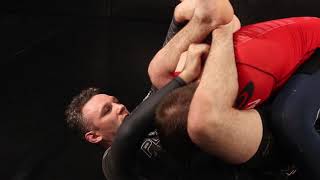
Eddie Bravo Rubber Guard to Mount Walkthrough | The Hooks MMA: Ep 1, Part 3
Key Takeaways
- •Posture Control as Foundation
- •Leg Replacement and Hand Liberation
- •The Zombie Move
- •Double Bag and Ankle Rehook
BJJ legend Eddie Bravo walks us through rubber guard to mount.
Related Techniques
Frequently Asked Questions
What does this video teach about advanced rubber guard?
This video covers posture control as foundation, leg replacement and hand liberation, the zombie move. It provides detailed instruction from The Hooks MMA.
How long does it take to learn advanced rubber guard?
The basic mechanics can be understood in a single session, but developing reliable execution requires consistent drilling over weeks of practice. This 8-part breakdown helps structure your training by isolating each phase of the technique.
What are the key details for finishing advanced rubber guard?
By slowing the opponent's roll attempt while maintaining leg clinch, the guard player ascends with the opponent and lands in twister side control. From this position, the practitioner can either set up the twister submission or advance further to mount position, maintaining positional dominance.
Related videos
5 BRUTAL Rubber Guard Submissions | Breakdowns
BJJ Trickster
BJJ vs. Sambo 2-21-08 New York City
valentineu
Understanding The Jiu Jitsu Back Control by Andrew Wiltse
Bernardo Faria BJJ Fanatics
WWW.BJJONLINE.NET- No-Gi- Dog Fight Position Counter - The Leash
Tony Pacenski
Advanced Rubber Guard: Muddy Waters
Superhero Jiu Jitsu Academy